Salpiglossis
Salpiglossis sinuata
Annuals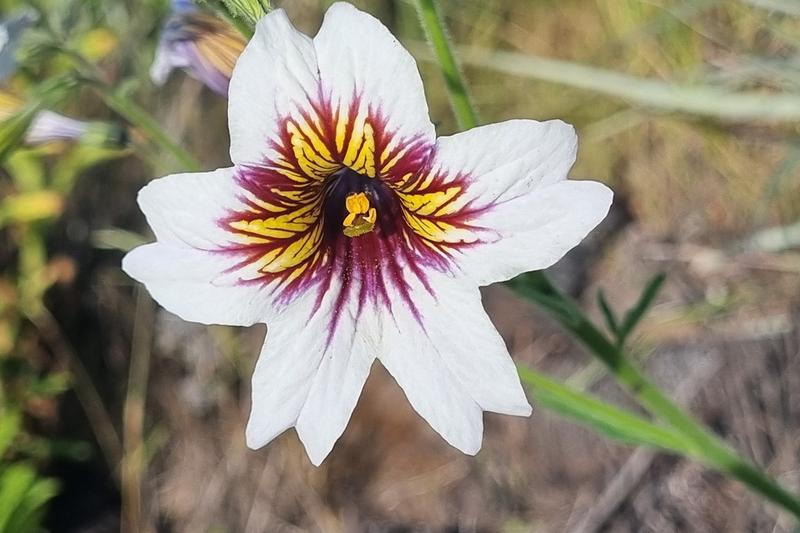
Quick facts
- Watering
- Twice weekly during flowering
- Sunlight
- Full sun to partial shade
- Soil
- Well-drained, fertile, slightly acidic
- Humans
- Unknown
- Cats
- Unknown
- Dogs
- Unknown
- Height
- 45–60 cm
- Spread
- 20–30 cm
- Spacing
- 20–25 cm apart
About Salpiglossis
Salpiglossis is a striking half-hardy annual native to Chile, prized for its exotic, funnel-shaped flowers in rich jewel tones of purple, red, gold, and bronze, each intricately veined with contrasting colours. Growing 45–60 cm tall, these elegant plants bring a touch of the unusual to British summer borders and containers. UK gardeners value salpiglossis for its long flowering period from June to September and its ability to fill gaps in cottage garden schemes with sophisticated colour. The velvety blooms make excellent cut flowers, lasting well in arrangements.
UK fact: Salpiglossis thrives particularly well in the cooler summers of Scotland and northern England, where it produces more intensely coloured blooms than in hotter climates, making it a favourite for Scottish show gardens and Highland estates.
Watering Salpiglossis
Keep soil consistently moist but never waterlogged, as salpiglossis is sensitive to both drought and overwatering. Water at the base of plants in the morning to avoid wetting foliage, which can encourage fungal diseases in the UK's humid climate. During hot, dry spells in July and August, increase watering frequency to maintain even moisture. Reduce watering slightly in autumn as flowering diminishes and temperatures cool.
Sunlight requirements
Salpiglossis performs best in full sun in most of the UK, particularly in northern regions where summers are cooler. In southern England, provide light afternoon shade during hot spells to prevent flower fading and stress. South-facing or west-facing positions are ideal, with shelter from strong winds which can damage the delicate stems.
Soil and feeding
Salpiglossis thrives in rich, well-drained soil with plenty of organic matter worked in before planting. The ideal pH is slightly acidic to neutral (6.0–7.0), typical of many UK garden soils. Heavy clay soils must be improved with grit and compost to ensure adequate drainage, as waterlogging quickly causes root rot. In containers, use a quality multipurpose compost mixed with 20% horticultural grit for optimal drainage.
Feed fortnightly with a balanced liquid fertiliser from June through August to support continuous flowering. Switch to a high-potash tomato feed in mid-summer to enhance flower colour and intensity, applying at half strength to avoid overfeeding which can cause lush foliage at the expense of blooms.
Pruning Salpiglossis
Deadhead spent flowers regularly throughout summer to prolong the flowering season and maintain a tidy appearance. Pinch out the growing tips of young plants when they reach 10–15 cm tall to encourage bushier growth and more flower stems. Remove any yellowing or damaged leaves promptly to improve air circulation and reduce disease risk in humid conditions.
Propagating Salpiglossis
Sow seeds under cover in March or early April at 18–21°C, barely covering the fine seeds with compost as they need some light to germinate. Germination typically takes 14–21 days; prick out seedlings when large enough to handle into individual 7.5 cm pots. Harden off gradually over 10–14 days before planting out after all risk of frost has passed in late May or early June. Salpiglossis dislikes root disturbance, so handle transplants carefully and water in well to minimise transplant shock.
Common problems
Aphids commonly attack young growth and flower buds, particularly in warm, dry conditions; treat with insecticidal soap or encourage natural predators. Powdery mildew can develop on foliage during humid periods, especially if plants are overcrowded or watered overhead; ensure good spacing and air circulation. Damping off affects seedlings in overly wet compost, so use sterile seed compost and avoid overwatering young plants. Slugs and snails may damage young transplants in wet weather, requiring protection with organic slug pellets or copper barriers.
Spot a problem with your plant? Photograph the affected area using the Loam app and it will suggest the most likely cause and treatment.
Safety
- Humans
-
Unknown
No confirmed toxicity data available; avoid ingestion as a precaution.
- Cats
-
Unknown
No confirmed toxicity data available; keep out of reach of pets.
- Dogs
-
Unknown
No confirmed toxicity data available; keep out of reach of pets.
Toxicity information is for general guidance only. If a person or pet has been exposed to this plant and you are concerned, seek advice from a medical professional or vet.
Seasonal care calendar
Monthly care guide for Salpiglossis in the UK, based on average conditions.
| Month | Care tasks |
|---|---|
| January | No action needed. |
| February | Order seeds and prepare seed trays and compost for sowing. |
| March | Sow seeds under cover at 18–21°C in a heated propagator or on a warm windowsill. |
| April | Prick out seedlings into individual pots and grow on in bright, cool conditions. |
| May | Harden off plants gradually and plant out after last frosts, typically late May. |
| June | Water regularly, begin fortnightly feeding, and deadhead early flowers. |
| July | Continue deadheading and feeding; water twice weekly during dry spells. |
| August | Maintain regular deadheading and watering to prolong flowering display. |
| September | Continue deadheading; flowering may continue into early autumn in mild areas. |
| October | Remove plants after first frosts and add to compost heap. |
| November | No action needed. |
| December | No action needed. |
Frequently asked questions
- When should I sow salpiglossis seeds in the UK?
- Sow salpiglossis seeds under cover in March or early April at 18–21°C for planting out after the last frosts in late May. Seeds need warmth to germinate and plants are frost-tender, so avoid sowing too early or planting out before all frost risk has passed.
- Why are my salpiglossis flowers fading and the leaves turning yellow?
- Fading flowers and yellowing leaves often indicate watering issues, nutrient deficiency, or pest problems. The Loam app can help you diagnose the specific cause through photos and provide personalised watering and feeding schedules based on your local weather conditions.
- Can salpiglossis be grown in containers?
- Yes, salpiglossis grows excellently in containers and makes a stunning patio display. Use a 25–30 cm pot with drainage holes, fill with multipurpose compost mixed with grit, and water more frequently than border-grown plants as containers dry out faster.
Got a question about growing Salpiglossis that isn't covered here? Ask the Garden Advisor in the Loam app. It knows your saved plants and local conditions.
Related plants
This page was compiled with AI assistance and reviewed by our team. .