Salad Burnet
Sanguisorba minor
Herbs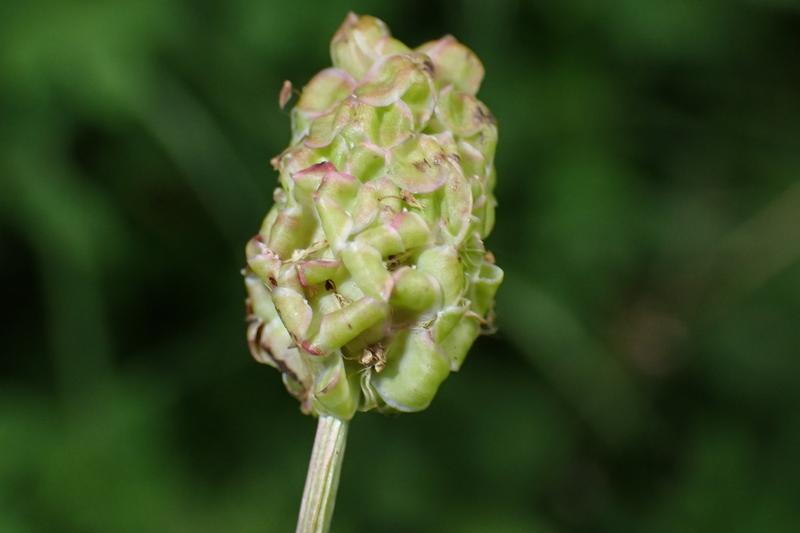
Quick facts
- Watering
- Fortnightly once established
- Sunlight
- Full sun to partial shade
- Soil
- Well-drained, alkaline to neutral
- Humans
- Safe
- Cats
- Safe
- Dogs
- Safe
- Height
- 30–60 cm
- Spread
- 30–45 cm
- Spacing
- 30–40 cm apart
About Salad Burnet
Salad burnet is a hardy perennial herb native to Europe, including the British Isles, with delicate pinnate leaves and small, rounded crimson flower heads. This cottage garden favourite has been cultivated in Britain since medieval times for its cucumber-flavoured leaves, which remain evergreen in mild UK winters. UK gardeners value it as a low-maintenance edging plant and salad herb that thrives in poor soils where other herbs struggle. The compact rosettes of serrated leaflets provide year-round interest and fresh flavour, even during the colder months.
UK fact: Salad burnet was a staple herb in Tudor knot gardens and was traditionally included in the 'tussie-mussie' posies carried to ward off plague, reflecting its long history in British herb gardens and folklore.
Watering Salad Burnet
Salad burnet is remarkably drought-tolerant once established, requiring watering only during prolonged dry spells typical of UK summers. Newly planted specimens need regular watering for the first 6-8 weeks until roots establish. Overwatering can lead to root rot, particularly in heavy clay soils common across much of Britain. In containers, water when the top 3-4 cm of compost feels dry, ensuring good drainage to prevent waterlogging.
Sunlight requirements
Salad burnet performs best in full sun but tolerates partial shade, making it versatile for UK gardens with varying light conditions. In southern England, afternoon shade can prevent the leaves from becoming bitter during hot summers. North-facing borders or dappled shade under fruit trees are suitable, though flowering may be reduced in shadier spots.
Soil and feeding
This herb thrives in well-drained, chalky or limestone soils with a pH of 6.5-7.5, making it ideal for gardens on chalk downlands across southern England. It tolerates poor, stony soils and even thrives where fertility is low, though it struggles in heavy, waterlogged clay without amendment. Improve drainage in heavier soils by incorporating horticultural grit or sharp sand. Salad burnet actually produces more flavourful leaves in lean soils, so avoid overly rich conditions.
Salad burnet requires minimal feeding and actually produces better-flavoured foliage in lean conditions. A light application of general-purpose fertiliser in early spring is sufficient if growth appears weak, though most UK gardeners find feeding unnecessary. Avoid high-nitrogen feeds, which promote lush but less flavourful growth.
Pruning Salad Burnet
Regular harvesting of young leaves encourages fresh, tender growth and maintains compact plants throughout the growing season. Remove flower stems as they appear if you want to focus energy on leaf production, though the attractive crimson blooms are worth keeping for ornamental value. Cut back tatty or winter-damaged foliage in early spring to promote fresh growth. Divide congested clumps every 3-4 years in spring or autumn to maintain vigour.
Propagating Salad Burnet
Salad burnet is easily grown from seed sown directly outdoors in spring (March-May) or autumn (September), with germination occurring within 2-3 weeks in UK conditions. Seeds require light to germinate, so barely cover them with soil or compost. Established clumps can be divided in spring or autumn by lifting the plant and teasing apart the crown into sections, each with roots and shoots attached. Self-seeding is common in favourable conditions, providing a steady supply of new plants around the parent.
Common problems
Salad burnet is largely trouble-free in UK gardens, with few significant pest or disease issues. Slugs and snails may nibble young foliage in damp conditions, particularly in spring, so use organic controls if damage is severe. Powdery mildew can occasionally affect leaves during humid summers, though good air circulation and avoiding overhead watering minimises this risk. The main cultural problem is plants becoming leggy or bitter-leaved if grown in overly rich soil or deep shade, so site selection is key to success.
Spot a problem with your plant? Photograph the affected area using the Loam app and it will suggest the most likely cause and treatment.
Safety
- Humans
- Safe
- Cats
- Safe
- Dogs
- Safe
Toxicity information is for general guidance only.
Seasonal care calendar
Monthly care guide for Salad Burnet in the UK, based on average conditions.
| Month | Care tasks |
|---|---|
| January | No action needed; evergreen foliage can be harvested in mild spells. |
| February | Cut back any winter-damaged foliage on mild days. |
| March | Sow seeds directly outdoors or divide established clumps. |
| April | Continue sowing seeds; thin seedlings to 30-40 cm spacing. |
| May | Harvest young leaves regularly; remove flower stems to encourage foliage. |
| June | Continue harvesting; allow some flowers for ornamental interest if desired. |
| July | Harvest leaves; water during prolonged dry spells. |
| August | Continue harvesting; collect seeds if you wish to propagate. |
| September | Sow seeds for autumn germination or divide established plants. |
| October | Harvest leaves; plants remain productive through autumn. |
| November | Reduce harvesting; plants enter semi-dormancy in colder regions. |
| December | No action needed; evergreen foliage persists in mild winters. |
Frequently asked questions
- What does salad burnet taste like and how do you use it?
- Salad burnet has a fresh, cucumber-like flavour with a slightly nutty undertone. Use young leaves raw in salads, cold drinks, or as a garnish; older leaves can be tougher and are best finely chopped. The flavour is most pronounced in spring and autumn when growth is fresh and tender.
- Why are my salad burnet leaves turning bitter?
- Bitter leaves usually result from stress caused by hot, dry conditions, overly rich soil, or allowing plants to flower extensively. The Loam app can send you reminders to harvest regularly and remove flower stems, helping maintain sweet, cucumber-flavoured foliage throughout the season.
- Can salad burnet survive UK winters outdoors?
- Yes, salad burnet is fully hardy throughout the UK and remains evergreen in mild winters, providing fresh leaves even in January and February. In colder regions or during harsh winters, foliage may die back but plants reliably regrow from the crown in spring.
Got a question about growing Salad Burnet that isn't covered here? Ask the Garden Advisor in the Loam app. It knows your saved plants and local conditions.
Related plants
This page was compiled with AI assistance and reviewed by our team. .