Chervil
Anthriscus cerefolium
Herbs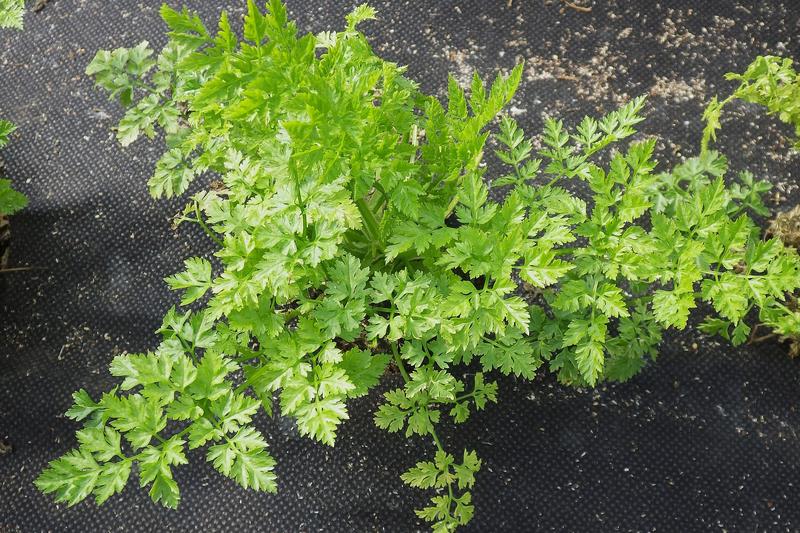
Quick facts
- Watering
- Twice weekly in dry weather
- Sunlight
- Partial shade
- Soil
- Moist, well-drained, fertile
- Humans
- Safe
- Cats
- Safe
- Dogs
- Safe
- Height
- 30–60 cm
- Spread
- 20–30 cm
- Spacing
- 15–20 cm apart
About Chervil
Chervil is a delicate annual herb with finely divided, fern-like leaves and a subtle anise flavour prized in French cuisine. Native to the Caucasus and southern Russia, it has been cultivated in British kitchen gardens since medieval times. UK gardeners value chervil as a cool-season herb that thrives in spring and autumn when many other herbs struggle. Its lacy foliage and small white umbel flowers make it an attractive addition to herb borders and container displays.
UK fact: Chervil was a staple in British monastery gardens during the Middle Ages, where monks grew it both as a culinary herb and for its reputed medicinal properties, particularly as a spring tonic after the lean winter months.
Watering Chervil
Water chervil regularly throughout the growing season, particularly during dry spells, to maintain steady leaf production. The shallow root system means it cannot access deep moisture, so consistent watering is essential. In containers, check daily during warm weather as they dry out quickly. Mulching around plants helps retain soil moisture and keeps roots cool, which is particularly beneficial during the British summer.
Sunlight requirements
In the UK climate, position chervil in dappled shade or a spot that receives morning sun and afternoon shade. North-facing borders or the shade of taller plants suit it well, making it ideal for underplanting in herb gardens. During spring and autumn, it tolerates more sun, but summer heat in full sun will cause rapid flowering and decline.
Soil and feeding
Grow chervil in fertile, humus-rich soil that retains moisture without becoming waterlogged. It prefers a pH between 6.5 and 7.5, making it well-suited to most British garden soils. Improve heavy clay with organic matter and grit to enhance drainage, whilst sandy soils benefit from generous additions of compost or well-rotted manure to improve water retention. A cool root run is essential, so mulch with compost to moderate soil temperature.
In reasonably fertile soil, chervil needs little supplementary feeding. If growing in containers or poor soil, apply a half-strength balanced liquid fertiliser every 3-4 weeks during active growth. Avoid high-nitrogen feeds which promote excessive leafy growth at the expense of flavour.
Pruning Chervil
Pinch out growing tips when plants reach 10-15 cm tall to encourage branching and a fuller habit. Harvest outer leaves regularly, cutting them close to the base to stimulate fresh growth from the centre. Remove flower stems as soon as they appear to prolong leaf production, though plants will eventually bolt regardless. Once flowering begins in earnest, flavour deteriorates and it's best to sow a fresh succession.
Propagating Chervil
Sow chervil seeds directly into the ground or final containers from March to September for successive crops. Seeds germinate best in cool conditions (10-15°C) and may struggle in hot summer weather. Sow thinly in shallow drills 1 cm deep, covering lightly with soil. Germination typically occurs within 10-14 days in spring and autumn, though summer sowings may take longer or fail in hot, dry conditions.
Common problems
Chervil is relatively trouble-free but can suffer from aphids, particularly during warm, dry weather when plants are stressed. Slugs and snails may damage young seedlings in damp conditions, so protect with organic slug pellets or barriers. The main cultural problem is premature bolting caused by heat, drought, or root disturbance, which rapidly reduces leaf quality and flavour. Powdery mildew can occasionally affect plants in late summer, particularly in dry conditions with poor air circulation.
Spot a problem with your plant? Photograph the affected area using the Loam app and it will suggest the most likely cause and treatment.
Safety
- Humans
- Safe
- Cats
- Safe
- Dogs
- Safe
Toxicity information is for general guidance only.
Seasonal care calendar
Monthly care guide for Chervil in the UK, based on average conditions.
| Month | Care tasks |
|---|---|
| January | No action needed. Plan spring sowings and order fresh seed. |
| February | Prepare beds for early spring sowing by incorporating compost. Sow under cloches in mild regions from late February. |
| March | Begin outdoor sowings from mid-March. Sow successionally every 3-4 weeks for continuous supply. |
| April | Continue succession sowings. Thin earlier sowings to final spacing. Begin harvesting established plants. |
| May | Harvest regularly to encourage fresh growth. Water during dry spells. Make further sowings in partial shade. |
| June | Remove flower stems promptly to prolong leaf production. Keep soil moist. Avoid sowing in very hot weather. |
| July | Water frequently in hot weather. Spring-sown plants may bolt; allow some to self-seed for autumn crops. |
| August | Resume sowings from mid-August for autumn and early winter crops. Water new sowings regularly until established. |
| September | Make final sowings early in the month. Harvest summer-sown plants. Protect late sowings with cloches in cold regions. |
| October | Continue harvesting autumn-sown crops. Protect plants with cloches or fleece to extend the season. |
| November | Harvest remaining leaves before hard frosts. Clear spent plants and add to compost. |
| December | No action needed. Protected autumn sowings may provide occasional pickings in mild spells. |
Frequently asked questions
- When should I sow chervil seeds in the UK?
- Sow chervil seeds in early spring (March-April) or late summer (August-September) when temperatures are cool. Avoid sowing in high summer as hot weather causes poor germination and rapid bolting. Make succession sowings every 3-4 weeks during these periods for continuous harvests. Seeds germinate best below 20°C and should be sown directly into moist soil with only light covering.
- Why are my chervil leaves turning yellow?
- Yellowing chervil leaves usually indicate stress from heat, inconsistent watering, or nutrient deficiency. Chervil prefers cool, moist conditions in partial shade. Check soil moisture levels regularly and ensure plants aren't in hot, sunny positions. The Loam app can help diagnose specific leaf problems through photo identification and provide personalised watering reminders based on your local weather conditions.
- What type of soil does chervil need?
- Chervil thrives in moist, well-drained soil rich in organic matter with a pH between 6.0-7.0. Work in plenty of compost or well-rotted manure before sowing to retain moisture and provide nutrients. The soil should stay consistently moist but not waterlogged. Light, fertile soil in a partially shaded position produces the most flavourful leaves and helps prevent premature bolting.
Got a question about growing Chervil that isn't covered here? Ask the Garden Advisor in the Loam app. It knows your saved plants and local conditions.
Related plants
This page was compiled with AI assistance and reviewed by our team. .