Rubber Plant
Ficus elastica
Houseplants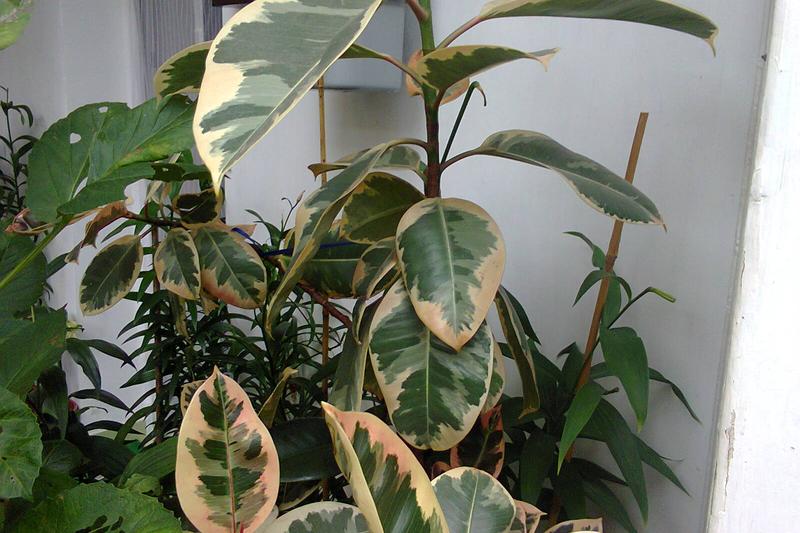
Quick facts
- Watering
- Weekly during growing season
- Sunlight
- Bright indirect light
- Soil
- Well-draining, peat-free houseplant compost
- Humans
- Toxic
- Cats
- Toxic
- Dogs
- Toxic
- Height
- 100–300 cm
- Spread
- 60–120 cm
- Spacing
- 0 cm apart
About Rubber Plant
The Rubber Plant is a striking evergreen houseplant native to Southeast Asia, prized for its large, glossy, deep green leaves that can reach up to 30cm in length. Originally cultivated for latex production, it has become one of the most popular indoor plants in British homes since the Victorian era. UK gardeners value it for its architectural form, air-purifying qualities, and tolerance of typical centrally heated homes, making it an ideal statement plant for living rooms and offices.
UK fact: The Rubber Plant was a staple of Victorian parlours across Britain, where it thrived in the coal-heated, gas-lit rooms of the era, and remains a nostalgic favourite in British interior design today.
Watering Rubber Plant
During the growing season from April to September, water thoroughly when the top 5cm of compost has dried out, typically once a week in most UK homes. Allow excess water to drain completely and never leave the pot sitting in water, as this can cause root rot. In winter, reduce watering to every 10-14 days or when the compost is almost dry, as centrally heated British homes can be quite dry but the plant's growth slows considerably. Use tepid water rather than cold tap water to avoid shocking the roots, and wipe the large leaves monthly with a damp cloth to remove dust and help the plant photosynthesise efficiently.
Sunlight requirements
Position your Rubber Plant near an east or west-facing window in UK homes, where it will receive bright but indirect light. North-facing rooms can work but may result in slower growth and leggier plants. Avoid south-facing windowsills during summer months as the intense midday sun can burn the large leaves, causing brown patches. Rotate the pot quarterly to ensure even growth and prevent the plant leaning towards the light source.
Soil and feeding
Use a good quality peat-free houseplant compost mixed with approximately 20% perlite or horticultural grit to ensure excellent drainage. The Rubber Plant prefers slightly acidic to neutral soil with a pH between 6.0 and 7.0. Avoid heavy, moisture-retentive composts which can lead to waterlogged roots and fungal problems in the relatively cool UK climate. Repot every 2-3 years in spring, moving up one pot size, or top-dress larger specimens with fresh compost to refresh nutrients.
Apply a balanced liquid houseplant fertiliser at half strength every 4 weeks during the growing season from April through September. Avoid feeding in autumn and winter when the plant is semi-dormant and cannot utilise the nutrients effectively. Over-feeding can cause salt build-up in the compost and lead to brown leaf edges, so always err on the side of caution with houseplants in UK conditions.
Pruning Rubber Plant
Prune Rubber Plants in late spring (April or May) when active growth resumes, using clean, sharp secateurs. Cut back leggy stems to encourage branching from lower nodes, and remove any damaged or yellowing leaves at their base. The plant produces a milky latex sap when cut, which can irritate skin and stain surfaces, so wear gloves and protect floors. To encourage a bushier shape rather than a single tall stem, cut the main growing tip once the plant reaches your desired height, which will stimulate side shoots to develop.
Propagating Rubber Plant
The most reliable propagation method for Rubber Plants in UK conditions is air layering, performed in May or June when the plant is actively growing. Alternatively, take 10-15cm stem tip cuttings with at least two leaves, allowing the milky sap to dry before placing in water or moist compost. Cuttings root best with bottom heat of around 21-24°C, which can be challenging in British homes, so a heated propagator or placing pots on a warm surface helps considerably. Rooting typically takes 4-8 weeks, after which new growth indicates successful establishment.
Common problems
Rubber Plants are relatively trouble-free but can suffer from scale insects and red spider mite, particularly in dry, centrally heated British homes during winter. Check regularly for small brown bumps on stems and leaf undersides (scale) or fine webbing between leaves (spider mite), treating with insecticidal soap or neem oil. Overwatering is the most common cultural problem, leading to yellowing leaves and root rot, especially during the darker UK winter months when growth slows. Leaf drop can occur due to cold draughts, sudden temperature changes, or being moved frequently, so choose a permanent position away from exterior doors and radiators.
Spot a problem with your plant? Photograph the affected area using the Loam app and it will suggest the most likely cause and treatment.
Safety
- Humans
-
Toxic
The milky latex sap can cause skin irritation and is toxic if ingested, potentially causing nausea and stomach upset. Wear gloves when pruning.
- Cats
-
Toxic
Toxic to cats if ingested, causing oral irritation, excessive drooling, vomiting, and difficulty swallowing. Keep out of reach of curious cats.
- Dogs
-
Toxic
Toxic to dogs if ingested, causing oral irritation, excessive drooling, vomiting, and difficulty swallowing. Position away from pets.
Toxicity information is for general guidance only. If a person or pet has been exposed to this plant and you are concerned, seek advice from a medical professional or vet.
Seasonal care calendar
Monthly care guide for Rubber Plant in the UK, based on average conditions.
| Month | Care tasks |
|---|---|
| January | Water sparingly, only when compost is nearly dry. Wipe dust from leaves to maximise light absorption during short winter days. |
| February | Continue minimal watering. Check for signs of spider mite in dry, heated rooms and increase humidity if needed. |
| March | Begin to increase watering slightly as days lengthen. Check for pests before the growing season begins. |
| April | Resume regular watering and begin monthly feeding. Ideal time to repot if rootbound. Prune to shape if needed. |
| May | Active growth period - maintain regular watering and feeding. Take cuttings or air layer for propagation. Wipe leaves clean. |
| June | Continue regular care routine. Monitor soil moisture in warmer weather. Ensure plant isn't in direct hot sun through windows. |
| July | Water regularly, potentially twice weekly in hot weather. Feed monthly. Mist leaves occasionally or wipe to remove dust. |
| August | Maintain watering and feeding schedule. Check for pests. New growth should be strong and glossy. |
| September | Continue regular care but prepare to reduce watering frequency as temperatures drop. Final feed of the season. |
| October | Reduce watering as growth slows. Stop feeding. Move away from cold windows if necessary. |
| November | Water only when compost is dry to touch. Ensure plant isn't in draughts from doors or windows. |
| December | Minimal watering required. Keep away from cold windows and radiators. Wipe leaves to remove dust and improve light absorption. |
Frequently asked questions
- Why are the leaves on my Rubber Plant turning yellow and dropping?
- Yellowing and leaf drop is most commonly caused by overwatering, especially during winter when growth slows. Allow the top 5cm of compost to dry between waterings. It can also result from cold draughts, sudden temperature changes, or the plant being moved frequently. Ensure your plant is in a stable, warm location away from exterior doors.
- What's wrong with my Rubber Plant and how do I diagnose problems?
- Rubber Plants can show various symptoms including yellowing leaves (overwatering), brown edges (low humidity), leaf drop (temperature stress), or leggy growth (insufficient light). Diagnosing the exact cause requires examining multiple factors like watering habits, light levels, and environmental conditions. The Loam app can help identify specific problems through photo diagnosis and provides personalised care reminders tailored to your home conditions, making it easier to prevent issues before they become serious.
- How do I propagate a Rubber Plant from cuttings?
- Take stem cuttings in late spring or early summer, cutting just below a node with at least two leaves attached. Wear gloves as the milky sap can irritate skin. Allow the cut end to dry for an hour, then place in water or directly into moist, well-draining compost. Keep warm (20-24°C) in bright, indirect light. Roots should develop within 4-6 weeks. Cover with a clear plastic bag to maintain humidity during rooting. Once established with new growth, pot on into houseplant compost.
Got a question about growing Rubber Plant that isn't covered here? Ask the Garden Advisor in the Loam app. It knows your saved plants and local conditions.
Related plants
This page was compiled with AI assistance and reviewed by our team. .