Fiddle Leaf Fig
Ficus lyrata
Houseplants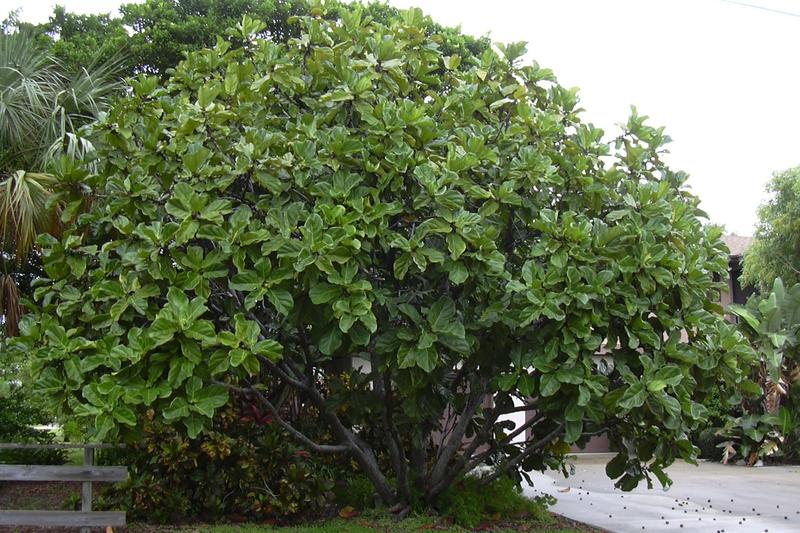
Quick facts
- Watering
- Weekly during growing season
- Sunlight
- Bright indirect light
- Soil
- Well-drained, peat-free compost
- Humans
- Toxic
- Cats
- Toxic
- Dogs
- Toxic
- Height
- 120–300 cm
- Spread
- 60–120 cm
- Spacing
- 0 cm apart
About Fiddle Leaf Fig
The Fiddle Leaf Fig is a striking evergreen houseplant native to the tropical rainforests of West Africa, prized for its large, violin-shaped glossy leaves that can reach up to 45cm in length. In the UK, it has become one of the most popular architectural houseplants, bringing a bold, sculptural presence to modern interiors. Though it requires consistent care and stable conditions, its dramatic foliage makes it a favourite amongst British plant enthusiasts. As a tropical species, it thrives indoors year-round in centrally heated homes but cannot tolerate the UK's outdoor climate.
UK fact: The Fiddle Leaf Fig surged in popularity across British homes during the 2010s, becoming the most Instagrammed houseplant in the UK by 2018, with searches for care advice on RHS websites increasing by over 300% between 2015 and 2020.
Watering Fiddle Leaf Fig
Allow the top 5cm of compost to dry out between waterings, then water thoroughly until excess drains from the bottom – this typically means weekly during spring and summer, reducing to every 10–14 days in autumn and winter when growth slows. British tap water is generally suitable, though allowing it to stand overnight helps it reach room temperature and reduces chlorine content. Overwatering is the most common cause of problems, leading to root rot and leaf drop, so always check soil moisture before watering. Reduce watering significantly during the darker months from October to February when the plant's water requirements decrease substantially.
Sunlight requirements
Position your Fiddle Leaf Fig within 1–2 metres of an east or west-facing window in UK homes, where it receives bright but indirect light. South-facing windows work well if filtered through sheer curtains, particularly during summer months when the sun is strongest. North-facing rooms are generally too dim and will result in leggy growth and leaf drop, though supplementary grow lights can compensate during darker British winters.
Soil and feeding
Plant in a high-quality, peat-free houseplant compost mixed with approximately 20% perlite, orchid bark, or horticultural grit to ensure excellent drainage – Fiddle Leaf Figs are highly susceptible to root rot in waterlogged conditions. The compost should be slightly acidic to neutral, with a pH between 6.0 and 7.0, which most commercial houseplant composts naturally provide. Repot every 1–2 years in spring, moving up one pot size when roots begin to circle the base, and always ensure pots have drainage holes. For mature specimens that are difficult to repot, refresh the top 5–7cm of compost annually with fresh mix.
Apply a balanced liquid fertiliser (NPK 10-10-10 or similar) at half the recommended strength every 4 weeks during the growing season from April through September. Cease feeding entirely from October to March when growth naturally slows in response to reduced light levels in the UK. Overfertilising causes brown leaf edges and salt build-up in the compost, so err on the side of underfeeding rather than overfeeding.
Pruning Fiddle Leaf Fig
The best time to prune is in early spring (March to April) just as new growth begins, allowing the plant to recover quickly during the growing season. Remove dead, damaged, or yellowing leaves at any time by cutting cleanly at the base of the leaf stem with sterilised secateurs. To control height or encourage branching, cut the main stem just above a leaf node – this stimulates dormant buds to produce side shoots, creating a bushier plant. Always wear gloves when pruning as the milky sap can irritate skin and stain surfaces.
Propagating Fiddle Leaf Fig
The most reliable propagation method is taking stem cuttings during the active growing season from April to June when the plant has the energy to produce new roots. Select a healthy stem section 15–20cm long with at least two leaf nodes, making a clean cut just below a node with sterilised secateurs. Cuttings can be rooted in water (changing it weekly) until roots reach 5cm long, then potted up, or placed directly into moist, well-draining compost. Maintain high humidity around cuttings by covering with a clear plastic bag or propagator lid, and keep in a warm spot (20–24°C) with bright, indirect light – rooting typically takes 4–8 weeks.
Common problems
Fiddle Leaf Figs are susceptible to brown leaf spots caused by overwatering, root rot, or bacterial infection – ensure excellent drainage and avoid wetting the foliage. Spider mites and scale insects can infest plants, particularly in dry, centrally heated British homes during winter; increase humidity and inspect leaf undersides regularly. Leaf drop is common when plants experience sudden changes in temperature, light, or watering routine, or when moved to a new location – maintain consistent conditions and avoid placing near draughty windows or radiators. Browning leaf edges typically indicate low humidity, underwatering, or fertiliser burn, whilst yellowing lower leaves are normal as the plant matures, though excessive yellowing suggests overwatering or poor drainage.
Spot a problem with your plant? Photograph the affected area using the Loam app and it will suggest the most likely cause and treatment.
Safety
- Humans
-
Toxic
Contains toxic sap that can cause skin irritation, and if ingested may cause mouth irritation, nausea, and vomiting. Wear gloves when pruning.
- Cats
-
Toxic
Toxic to cats if ingested, causing oral irritation, excessive drooling, vomiting, and difficulty swallowing. Keep out of reach of pets.
- Dogs
-
Toxic
Toxic to dogs if ingested, causing oral irritation, excessive drooling, vomiting, and difficulty swallowing. Keep out of reach of pets.
Toxicity information is for general guidance only. If a person or pet has been exposed to this plant and you are concerned, seek advice from a medical professional or vet.
Seasonal care calendar
Monthly care guide for Fiddle Leaf Fig in the UK, based on average conditions.
| Month | Care tasks |
|---|---|
| January | Reduce watering to every 10–14 days. Avoid fertilising. Wipe dust from leaves with a damp cloth. Monitor for pests in dry, heated rooms. |
| February | Continue minimal watering. Check for signs of overwatering such as yellowing leaves. Ensure adequate light as days begin to lengthen. |
| March | Begin increasing watering frequency as growth resumes. Prune to shape if needed. Repot if rootbound, moving up one pot size. |
| April | Resume monthly feeding with diluted liquid fertiliser. Increase watering to weekly as temperatures rise. Take stem cuttings for propagation. |
| May | Continue regular watering and feeding. Wipe leaves to remove dust and improve photosynthesis. Monitor for spider mites as weather warms. |
| June | Maintain weekly watering and monthly feeding. Ensure bright, indirect light but protect from intense midday sun. Propagate from cuttings. |
| July | Water regularly, checking compost doesn't dry out completely. Feed monthly. Mist occasionally or use a humidity tray during hot weather. |
| August | Continue regular watering and feeding schedule. Remove any yellowing lower leaves. Check for scale insects on stems and leaf undersides. |
| September | Give final feed of the season. Begin reducing watering frequency slightly as growth slows. Wipe leaves clean before winter. |
| October | Stop feeding. Reduce watering to every 10–14 days. Move away from cold windows. Ensure adequate light as days shorten. |
| November | Water sparingly, only when top 5cm of compost is dry. Avoid cold draughts. Consider supplementary grow lights in darker rooms. |
| December | Minimal watering required. Keep away from radiators and draughty windows. Wipe leaves gently. Monitor for pests in dry, heated conditions. |
Frequently asked questions
- How often should I water my Fiddle Leaf Fig?
- Water when the top 5cm of compost feels dry to the touch – typically every 7–10 days in spring and summer, and every 10–14 days in winter. The exact frequency depends on your home's temperature, humidity, pot size, and light levels. Overwatering is the most common cause of problems, so it's better to underwater slightly than overwater. Always ensure the pot has drainage holes and never let the plant sit in waterlogged compost.
- Why does my Fiddle Leaf Fig have brown spots on the leaves?
- Brown spots can indicate several issues: overwatering and root rot (soft, dark spots), bacterial or fungal infection (spots with yellow halos), low humidity (dry, crispy edges), or pest damage. The Loam app can help you diagnose the specific cause by analysing photos of your plant and tracking your watering schedule. Treatment varies depending on the cause – from adjusting watering frequency to improving air circulation or increasing humidity with regular misting.
- What type of compost should I use for my Fiddle Leaf Fig?
- Use a well-draining, peat-free houseplant compost or multipurpose compost mixed with perlite or orchid bark (roughly 70% compost to 30% drainage material). Good drainage is essential to prevent root rot, as Fiddle Leaf Figs are sensitive to waterlogged conditions. Repot every 2–3 years in spring when the plant becomes root-bound, moving up just one pot size. Fresh compost replenishes nutrients and supports healthy growth.
Got a question about growing Fiddle Leaf Fig that isn't covered here? Ask the Garden Advisor in the Loam app. It knows your saved plants and local conditions.
Related plants
This page was compiled with AI assistance and reviewed by our team. .