Ranunculus
Ranunculus asiaticus
Bulbs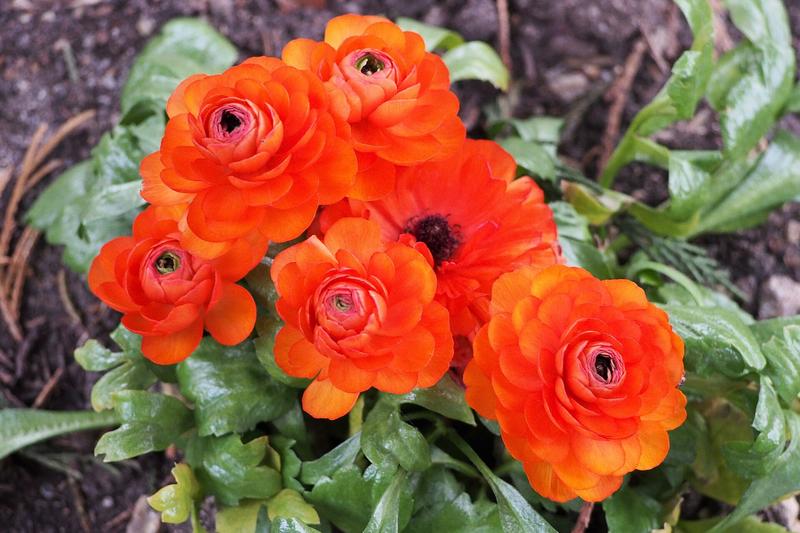
Quick facts
- Watering
- Weekly during active growth
- Sunlight
- Full sun to partial shade
- Soil
- Well-drained, fertile, neutral to alkaline
- Humans
- Toxic
- Cats
- Toxic
- Dogs
- Toxic
- Height
- 30–45 cm
- Spread
- 15–20 cm
- Spacing
- 10–15 cm apart
About Ranunculus
Ranunculus asiaticus, commonly known as ranunculus or Persian buttercup, produces spectacular rose-like blooms in vibrant shades of pink, red, orange, yellow, and white from late spring to early summer. Native to the eastern Mediterranean and southwestern Asia, these tuberous perennials have become beloved by UK gardeners for their luxurious, multi-petalled flowers that make exceptional cut flowers. Their compact growth habit and long-lasting blooms make them ideal for borders, containers, and cutting gardens throughout Britain.
UK fact: Ranunculus have become increasingly popular in British floristry and wedding bouquets over the past decade, with many UK flower farmers now growing them commercially in polytunnels to extend the season and meet demand for these sought-after blooms.
Watering Ranunculus
Water ranunculus regularly once growth emerges, aiming to keep the soil evenly moist throughout spring and early summer. During the UK's typically wet spring, additional watering may be unnecessary, but monitor plants during dry spells and water weekly if rainfall is scarce. Overwatering, particularly in heavy soils, can cause the tubers to rot, so ensure good drainage. Once flowering finishes and foliage begins to yellow, gradually reduce watering to allow the tubers to enter dormancy naturally.
Sunlight requirements
Position ranunculus in a sunny spot that receives at least six hours of direct sunlight daily for the best flowering performance. In southern England and warmer microclimates, light afternoon shade can help prevent flowers from fading too quickly during hot spells. South-facing or west-facing beds are ideal, though avoid deep shade which will result in weak, leggy growth and poor flowering.
Soil and feeding
Plant ranunculus in well-drained, fertile soil with a neutral to slightly alkaline pH of 6.5-7.5. Heavy clay soils must be improved with generous amounts of horticultural grit and well-rotted compost to prevent waterlogging, which is fatal to the tubers. Sandy or loamy soils are ideal, and raised beds work particularly well in areas with heavy rainfall. For container growing, use a quality peat-free multipurpose compost mixed with added grit for drainage.
Begin feeding ranunculus with a balanced liquid fertiliser such as a tomato feed once flower buds become visible, continuing every two weeks until flowering finishes. This supports the production of multiple blooms and helps the tubers store energy for the following season. Avoid high-nitrogen feeds which promote foliage at the expense of flowers.
Pruning Ranunculus
Remove faded flowers by cutting stems back to the base to promote further blooming and maintain a tidy appearance. This regular deadheading can extend the flowering period by several weeks. Once flowering has finished completely, resist the temptation to cut back the foliage immediately; allow leaves to yellow and die back naturally over 4-6 weeks, as this process enables the tubers to store energy for next year's growth. Only remove foliage once it has completely withered.
Propagating Ranunculus
The most reliable method of propagating ranunculus is by dividing the claw-like tubers once the foliage has completely died back in mid to late summer. Carefully lift the tubers, separate any offsets that have formed, and store them in a cool, dry place until autumn planting. Growing from seed is possible but slow, requiring 18 months to produce flowering plants; sow fresh seed in autumn in a cold frame for germination the following spring.
Common problems
Ranunculus are susceptible to aphids, which cluster on new growth and flower buds, and can be controlled with insecticidal soap or by encouraging natural predators. Powdery mildew may appear on foliage in humid conditions with poor air circulation; improve spacing and avoid overhead watering to prevent this. The most serious problem is tuber rot caused by waterlogged soil or overwatering, which can kill plants rapidly; ensuring excellent drainage is essential. Slugs and snails may damage emerging shoots in spring, so use organic controls or barriers to protect young growth.
Spot a problem with your plant? Photograph the affected area using the Loam app and it will suggest the most likely cause and treatment.
Safety
- Humans
-
Toxic
All parts of ranunculus contain toxic compounds including protoanemonin, which can cause skin irritation, mouth pain, vomiting, and diarrhoea if ingested. Wear gloves when handling tubers.
- Cats
-
Toxic
Ranunculus is toxic to cats and can cause oral irritation, excessive drooling, vomiting, and difficulty swallowing if ingested. Keep plants out of reach of curious cats.
- Dogs
-
Toxic
All parts are toxic to dogs, causing oral irritation, drooling, vomiting, and diarrhoea if consumed. The bitter taste usually deters ingestion, but seek veterinary advice if consumed.
Toxicity information is for general guidance only. If a person or pet has been exposed to this plant and you are concerned, seek advice from a medical professional or vet.
Seasonal care calendar
Monthly care guide for Ranunculus in the UK, based on average conditions.
| Month | Care tasks |
|---|---|
| January | No action needed; tubers remain dormant in storage or in the ground in mild areas. |
| February | In mild regions, early shoots may emerge; protect from hard frosts with fleece or cloches. |
| March | Growth accelerates as temperatures rise; water if conditions are dry and apply a balanced fertiliser around emerging plants. |
| April | Flower buds begin to form; begin fortnightly liquid feeding and ensure consistent moisture. Stake taller varieties if needed. |
| May | Peak flowering begins; deadhead regularly to prolong blooms and continue feeding. Cut flowers for indoor arrangements. |
| June | Flowering continues; maintain deadheading and watering. Late-planted tubers will be at peak bloom. |
| July | Flowering finishes and foliage begins to yellow; reduce watering and stop feeding. Allow leaves to die back naturally. |
| August | Once foliage has completely died back, lift tubers, clean, dry, and store in a cool, dry place until autumn. |
| September | Prepare planting sites by incorporating compost and grit. Begin planning autumn planting locations. |
| October | Plant tubers 5cm deep in well-prepared soil or containers; soak for 3-4 hours before planting. Ideal planting month for most of the UK. |
| November | Complete planting by mid-month in colder areas. Apply mulch in exposed sites for winter protection. |
| December | No action needed; tubers remain dormant underground. Ensure containers have adequate drainage to prevent waterlogging. |
Frequently asked questions
- How do I prepare ranunculus tubers for planting?
- Soak the dried, claw-like tubers in lukewarm water for 3-4 hours before planting to rehydrate them. Plant with the claws pointing downward, 5cm deep and 10-15cm apart in well-drained soil enriched with compost.
- Why are my ranunculus leaves turning yellow?
- Yellowing leaves can indicate overwatering, poor drainage, nutrient deficiency, or pest problems such as aphids. Check soil moisture levels and drainage first, as ranunculus are particularly sensitive to waterlogged conditions. If you're unsure of the cause, the Loam app can help diagnose the specific issue through photo analysis and provide personalised care recommendations based on your growing conditions.
- Can I grow ranunculus in pots?
- Yes, ranunculus grow exceptionally well in containers, which offer excellent drainage control and flexibility for positioning. Use a soil-based compost mixed with horticultural grit, ensure pots have drainage holes, and choose containers at least 20cm deep. Container growing is particularly useful in colder regions where pots can be moved under cover during harsh weather or started early in a greenhouse before transplanting outdoors.
Got a question about growing Ranunculus that isn't covered here? Ask the Garden Advisor in the Loam app. It knows your saved plants and local conditions.
Related plants
This page was compiled with AI assistance and reviewed by our team. .