Polypody Fern
Polypodium vulgare
Grasses and Ferns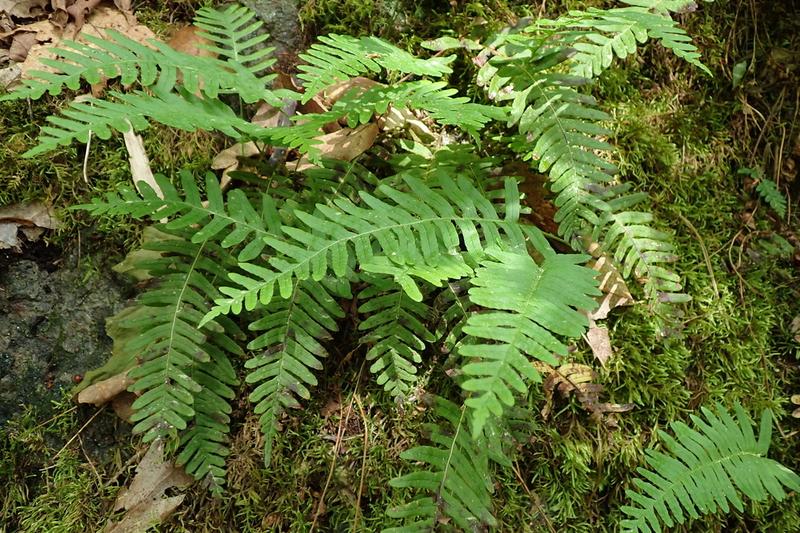
Quick facts
- Watering
- Fortnightly once established
- Sunlight
- Partial to full shade
- Soil
- Well-drained, neutral to acidic
- Humans
- Safe
- Cats
- Safe
- Dogs
- Safe
- Height
- 20–40 cm
- Spread
- 30–60 cm
- Spacing
- 30–45 cm apart
- RHS recognition
- Award of Garden Merit
About Polypody Fern
Polypody Fern is a charming evergreen native fern with leathery, deeply divided fronds that remain attractive throughout winter. Growing naturally on rocks, walls, and tree branches across the UK, it brings a touch of woodland character to shady gardens. British gardeners value this hardy fern for its drought tolerance once established and its ability to thrive in dry shade where few other ferns succeed. The bright green fronds create excellent ground cover or wall decoration, particularly in naturalistic and wildlife-friendly planting schemes.
UK fact: Polypody Fern is one of Britain's few truly evergreen native ferns and was historically used in herbal medicine, with the rhizomes once harvested to treat coughs and as a sweetener before sugar became widely available.
Watering Polypody Fern
Water regularly during the first growing season to establish a deep root system. Once established, Polypody Fern is remarkably drought-tolerant for a fern and can survive on natural rainfall in most UK regions. During prolonged dry spells in summer, water every two weeks to maintain frond quality. Plants growing on walls or in very free-draining positions may need more frequent watering than those in garden soil.
Sunlight requirements
Polypody Fern thrives in partial to full shade, making it ideal for north-facing borders and beneath trees. In the UK, it tolerates more sun exposure than many ferns if given adequate moisture, but performs best in dappled shade. Avoid hot, south-facing positions which can scorch the fronds, particularly during dry summers.
Soil and feeding
Polypody Fern prefers well-drained, humus-rich soil with a neutral to slightly acidic pH (6.0-7.0). It naturally grows on rocks and tree bark, so excellent drainage is essential to prevent rhizome rot. Incorporate leaf mould or composted bark to improve soil structure and moisture retention whilst maintaining good drainage. The fern tolerates poor, shallow soils better than most other ferns, making it excellent for challenging dry shade positions.
Feed sparingly with a balanced liquid fertiliser once in spring if growing in containers or very poor soil. Garden-grown plants rarely need feeding and excessive fertiliser can cause lush growth prone to damage. A spring mulch of leaf mould provides sufficient nutrients for most situations.
Pruning Polypody Fern
Remove any damaged or tatty fronds in early spring before new growth emerges, cutting back to the base of the plant. Unlike deciduous ferns, Polypody retains its fronds through winter, so avoid autumn pruning. Tidy the plant by removing old fronds as they naturally yellow and die back. No other pruning is required, allowing the fern to develop its natural spreading habit.
Propagating Polypody Fern
Polypody Fern is easily propagated by division of the creeping rhizomes in spring as new growth begins. Carefully lift established clumps and cut the rhizomes into sections, ensuring each piece has at least one growing point and some roots attached. Replant divisions immediately at the same depth, spacing them 30-45 cm apart. Spore propagation is possible but slow and requires patience; collect ripe spores from the undersides of fronds in late summer and sow on sterile compost under glass.
Common problems
Polypody Fern is largely trouble-free and resistant to most pests and diseases common in UK gardens. Slugs and snails may occasionally damage young fronds in spring, particularly in damp conditions. Overwatering or poor drainage can lead to rhizome rot, causing fronds to yellow and collapse; ensure excellent drainage to prevent this. In very dry conditions, fronds may become crispy and brown at the edges, though the plant usually recovers with watering and rarely suffers permanent damage.
Spot a problem with your plant? Photograph the affected area using the Loam app and it will suggest the most likely cause and treatment.
Safety
- Humans
- Safe
- Cats
- Safe
- Dogs
- Safe
Toxicity information is for general guidance only.
Seasonal care calendar
Monthly care guide for Polypody Fern in the UK, based on average conditions.
| Month | Care tasks |
|---|---|
| January | No action needed. Evergreen fronds provide winter interest. |
| February | No action needed. Monitor for frost damage in exposed positions. |
| March | Remove any damaged or tatty fronds before new growth emerges. Divide established clumps if required. |
| April | New fronds begin to unfurl. Apply leaf mould mulch and water if conditions are dry. |
| May | Monitor new growth and water during dry spells. Feed container-grown plants. |
| June | Water established plants during prolonged dry periods. Check for slug damage on new fronds. |
| July | Continue watering during dry weather, particularly wall-grown specimens. |
| August | Collect spores from mature fronds if propagating. Water as needed during dry spells. |
| September | Reduce watering as temperatures cool. Fronds remain evergreen through autumn. |
| October | No action needed. Fronds provide autumn and winter structure. |
| November | No action needed. Evergreen fronds continue to look attractive. |
| December | No action needed. Fronds remain green throughout winter in most UK regions. |
Frequently asked questions
- Can polypody fern grow on walls in the UK?
- Yes, Polypody Fern naturally colonises walls, rocks, and even tree branches across the UK. Plant it in crevices with a little compost or allow it to self-establish on old mortared walls. It's particularly effective on shady north-facing walls where its drought tolerance once established makes it ideal for these challenging dry positions.
- Why are my polypody fern fronds turning brown?
- Brown fronds usually indicate drought stress, particularly during hot, dry summers or on wall-grown specimens. The Loam app can send you personalised watering reminders based on your local weather and help you diagnose whether browning is due to underwatering, sun scorch, or natural seasonal dieback.
- Is polypody fern evergreen in winter?
- Yes, Polypody Fern is one of the few truly evergreen ferns native to Britain. The leathery fronds remain green and attractive throughout winter in most UK regions, providing valuable structure and colour when many other plants have died back. This makes it excellent for year-round interest in shady gardens.
Got a question about growing Polypody Fern that isn't covered here? Ask the Garden Advisor in the Loam app. It knows your saved plants and local conditions.
Related plants
This page was compiled with AI assistance and reviewed by our team. .