Royal Fern
Osmunda regalis
Grasses and Ferns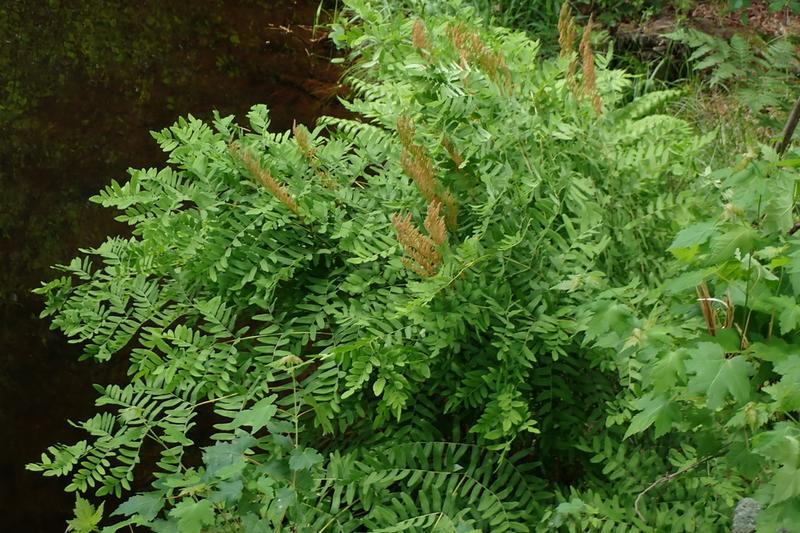
Quick facts
- Watering
- Keep constantly moist
- Sunlight
- Full sun to partial shade
- Soil
- Moist, acidic, humus-rich
- Humans
- Safe
- Cats
- Safe
- Dogs
- Safe
- Height
- 100–200 cm
- Spread
- 100–150 cm
- Spacing
- 120–150 cm apart
- RHS recognition
- Award of Garden Merit
About Royal Fern
Royal Fern is a majestic deciduous fern native to the UK and one of our largest native species, reaching up to 2 metres in height. Its elegant, bipinnate fronds emerge bright green in spring, turning golden-bronze in autumn, whilst distinctive rust-coloured fertile fronds appear at the tips in summer. UK gardeners prize it for creating dramatic architectural statements in bog gardens, pond margins, and damp woodland settings. This ancient fern has grown in Britain since prehistoric times and thrives in our cool, moist climate.
UK fact: Royal Fern holds an RHS Award of Garden Merit and has been found preserved in peat bogs across Britain dating back thousands of years, making it one of our most ancient native plants still widely cultivated in British gardens today.
Watering Royal Fern
This moisture-loving fern requires consistently damp to wet soil and should never be allowed to dry out. In the UK, natural rainfall is usually sufficient for established plants in bog gardens or pond margins, but during dry spells water deeply two to three times weekly. Container-grown specimens need daily watering in summer. Royal Fern is one of the few ferns that thrives with its roots in shallow standing water.
Sunlight requirements
Royal Fern performs best in partial shade but will tolerate full sun provided the soil remains consistently moist. In southern UK gardens, afternoon shade helps prevent frond scorch during hot summers. North-facing or east-facing positions near water features are ideal, though avoid deep shade which can reduce the intensity of autumn colour.
Soil and feeding
Royal Fern demands permanently moist to wet, acidic soil with a pH of 5.0-6.5, enriched with plenty of organic matter. It naturally grows in boggy conditions, waterlogged woodland, and pond margins throughout the UK. Heavy clay soils are suitable if kept wet, whilst sandy soils require substantial additions of peat-free compost or leaf mould to retain moisture. Avoid alkaline or chalky soils which cause chlorosis and poor growth.
Apply a balanced liquid fertiliser monthly from April to August to encourage vigorous frond production. Alternatively, mulch around the crown each spring with a 5-8cm layer of well-rotted compost or leaf mould, which also helps retain moisture.
Pruning Royal Fern
Cut back dead and damaged fronds in late winter or early spring before new growth emerges, removing them at the base. Royal Fern is deciduous, so all fronds naturally die back in autumn and can be left over winter to protect the crown from frost. Remove old fronds by March to keep the plant tidy and prevent fungal diseases from overwintering on dead foliage.
Propagating Royal Fern
Royal Fern is best propagated by division in early spring just as new growth begins, carefully lifting established clumps and separating the fibrous crowns with a sharp spade. Each division should have several growing points and a good root system. Spore propagation is possible but slow and challenging, requiring collection of the rust-coloured fertile fronds in summer and sowing on sterile, acidic compost kept constantly moist under glass. Division is far more reliable for UK gardeners and produces flowering-sized plants within two years.
Common problems
Royal Fern is largely trouble-free in the UK with few serious pests or diseases. Slugs and snails may damage emerging fronds in spring, particularly in wet seasons, so use organic controls if necessary. Frond scorch can occur during hot, dry periods if the soil dries out or in exposed, sunny positions without adequate moisture. Occasionally, rust fungus may appear as orange spots on fronds, though this rarely causes significant harm and can be managed by removing affected foliage and ensuring good air circulation.
Spot a problem with your plant? Photograph the affected area using the Loam app and it will suggest the most likely cause and treatment.
Safety
- Humans
- Safe
- Cats
- Safe
- Dogs
- Safe
Toxicity information is for general guidance only.
Seasonal care calendar
Monthly care guide for Royal Fern in the UK, based on average conditions.
| Month | Care tasks |
|---|---|
| January | No action needed; plant is fully dormant with dead fronds protecting the crown. |
| February | No action needed; plant remains dormant but check moisture levels during mild spells. |
| March | Cut back all dead fronds to ground level before new growth emerges. Apply spring mulch of compost or leaf mould. |
| April | New fronds unfurl rapidly; ensure soil remains moist. Begin monthly feeding. Divide established clumps if required. |
| May | Continue regular watering as fronds expand. Watch for slug damage on young growth and protect if necessary. |
| June | Fertile fronds develop rust-coloured spore cases at tips. Maintain consistent moisture and continue monthly feeding. |
| July | Water deeply during dry spells to prevent frond scorch. Collect spores from fertile fronds if propagating. |
| August | Continue watering in dry weather. Final monthly feed. Remove any damaged or diseased fronds. |
| September | Fronds begin turning golden-bronze. Reduce feeding but maintain moisture levels as autumn rains arrive. |
| October | Enjoy autumn colour as fronds turn bronze. Allow natural leaf fall; fronds will die back naturally. |
| November | Leave dead fronds in place over winter to protect the crown from frost and provide habitat for wildlife. |
| December | No action needed; plant is dormant with dead fronds providing winter protection. |
Frequently asked questions
- Why are my Royal Fern fronds turning brown and crispy?
- Brown, crispy fronds indicate the soil has dried out or the fern is in too much sun. Royal Fern requires constantly moist to wet soil and benefits from partial shade, especially in southern UK gardens. Water deeply and regularly, and consider relocating if the site is too dry or exposed.
- When should I cut back my Royal Fern and how do I know if it needs dividing?
- Cut back dead fronds in late winter before new growth appears in March. If your fern has become congested with reduced vigour, the Loam app can help you identify the right time to divide based on your local conditions and send reminders for seasonal care tasks.
- Can Royal Fern grow in standing water like a pond margin?
- Yes, Royal Fern is one of the few ferns that thrives with its roots in shallow standing water, making it perfect for pond edges and bog gardens. Plant it where the crown sits just above water level, allowing roots to access constant moisture whilst preventing the crown from rotting.
Got a question about growing Royal Fern that isn't covered here? Ask the Garden Advisor in the Loam app. It knows your saved plants and local conditions.
Related plants
This page was compiled with AI assistance and reviewed by our team. .