Jacob's Ladder
Polemonium caeruleum
Perennials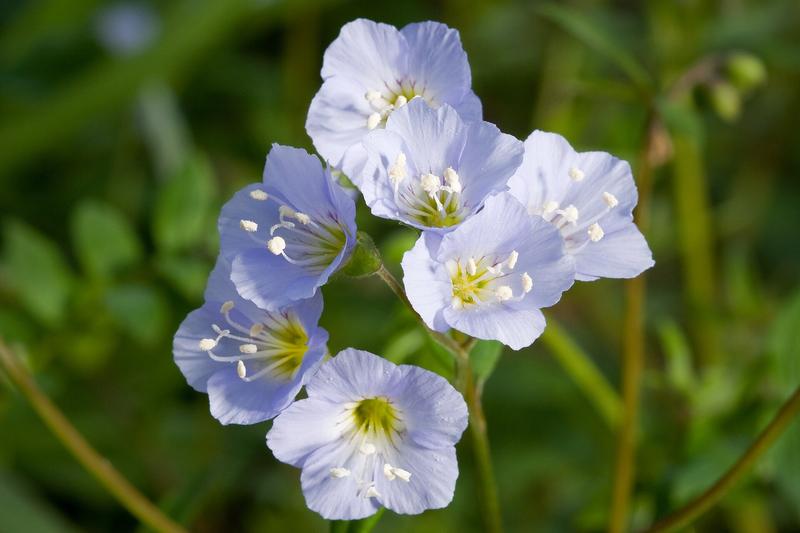
Quick facts
- Watering
- Weekly during dry spells
- Sunlight
- Partial shade to full sun
- Soil
- Moist, well-drained, fertile
- Humans
- Safe
- Cats
- Safe
- Dogs
- Safe
- Height
- 45–90 cm
- Spread
- 30–45 cm
- Spacing
- 30–40 cm apart
- RHS recognition
- Award of Garden Merit
About Jacob's Ladder
Jacob's Ladder is a charming cottage garden perennial native to the UK and Europe, featuring distinctive ladder-like pinnate foliage and clusters of bell-shaped blue flowers. Growing 45–90 cm tall, it produces its delicate blooms from late spring through early summer, attracting bees and other pollinators to the garden. British gardeners value this hardy plant for its ability to naturalise in borders, woodland gardens, and wildflower meadows. The common name derives from the leaf arrangement, which resembles the rungs of a ladder ascending the stem.
UK fact: Jacob's Ladder holds the RHS Award of Garden Merit and is one of Britain's native wildflowers, found naturally in limestone grasslands and damp meadows across northern England and parts of Scotland, though it has become increasingly rare in the wild.
Watering Jacob's Ladder
Keep the soil consistently moist but not waterlogged, particularly during the growing season from spring through summer. Water weekly during dry periods, increasing frequency in containers or during prolonged drought. Established plants in moisture-retentive soil tolerate brief dry spells, but flowering is best when moisture levels remain steady. Reduce watering in autumn and winter when the plant is dormant.
Sunlight requirements
Jacob's Ladder thrives in partial shade, particularly in southern UK gardens where afternoon shade prevents scorching during hot spells. In northern regions and cooler areas, it tolerates full sun provided the soil remains consistently moist. East or north-facing borders are ideal, offering bright light without intense midday sun.
Soil and feeding
Jacob's Ladder prefers rich, moisture-retentive soil with good drainage, thriving in conditions similar to its native woodland edge habitat. It performs best in neutral to slightly alkaline soil (pH 6.5–7.5) enriched with organic matter such as garden compost or well-rotted manure. Heavy clay soils benefit from the addition of grit to improve drainage, whilst sandy soils require regular organic amendments to retain moisture. Avoid waterlogged conditions, which can lead to root rot.
Apply a balanced general-purpose fertiliser in early spring as new growth emerges to encourage healthy foliage and abundant flowering. A light mulch of garden compost around the base in autumn provides slow-release nutrients and helps retain soil moisture. Avoid excessive feeding, which promotes lush foliage at the expense of flowers.
Pruning Jacob's Ladder
Deadhead spent flower stems after blooming in early to midsummer to prevent self-seeding and encourage a second flush of flowers later in the season. Cut back the entire plant to ground level in late autumn once the foliage has died back, or leave until early spring to provide winter interest and shelter for beneficial insects. Divide congested clumps every three to four years in spring or autumn to maintain vigour.
Propagating Jacob's Ladder
Jacob's Ladder is easily propagated by division in spring or autumn, lifting established clumps and separating them into smaller sections with roots and shoots attached. It also grows readily from seed sown in spring or autumn, either directly outdoors or in modules under cover, though plants may take two years to flower from seed. Self-sown seedlings often appear around the parent plant and can be transplanted whilst small. Basal cuttings taken in spring provide another reliable propagation method.
Common problems
Jacob's Ladder is generally trouble-free but can suffer from powdery mildew in dry conditions or overcrowded plantings, appearing as white powdery patches on leaves. Slugs and snails may damage young growth in spring, particularly in damp conditions. The plant can self-seed prolifically if not deadheaded, potentially becoming invasive in favourable conditions. Aphids occasionally colonise new shoots and flower buds but are easily controlled with organic sprays or by encouraging natural predators.
Spot a problem with your plant? Photograph the affected area using the Loam app and it will suggest the most likely cause and treatment.
Safety
- Humans
- Safe
- Cats
- Safe
- Dogs
- Safe
Toxicity information is for general guidance only.
Seasonal care calendar
Monthly care guide for Jacob's Ladder in the UK, based on average conditions.
| Month | Care tasks |
|---|---|
| January | No action needed; plant is dormant. |
| February | Clear away any remaining dead foliage if not done in autumn. |
| March | Apply balanced fertiliser as new growth emerges. Divide established clumps if required. |
| April | Mulch around plants with compost. Watch for slug damage on emerging shoots. |
| May | Water during dry spells. Flowering begins late in the month. |
| June | Enjoy peak flowering. Deadhead spent blooms to prolong display. |
| July | Continue deadheading. Cut back after flowering to encourage second flush. |
| August | Water regularly during dry weather. Watch for powdery mildew. |
| September | Collect seed if desired. Divide congested clumps if needed. |
| October | Apply autumn mulch of compost. Cut back faded foliage or leave for winter interest. |
| November | Finish cutting back if desired. Clear fallen leaves from crown. |
| December | No action needed; plant is dormant. |
Frequently asked questions
- Why is my Jacob's Ladder not flowering?
- Lack of flowering is usually caused by too much shade, poor soil fertility, or overcrowding. Move plants to a brighter position with at least partial sun, feed with a balanced fertiliser in spring, and divide congested clumps every three to four years to restore vigour and flowering.
- How do I know when to water my Jacob's Ladder?
- The Loam app can send you personalised watering reminders based on your local weather conditions and soil type. Generally, water when the top 2–3 cm of soil feels dry, maintaining consistent moisture during the growing season whilst avoiding waterlogging.
- Can Jacob's Ladder grow in full shade?
- Whilst Jacob's Ladder tolerates partial shade and even performs well in it, full dense shade typically results in weak, leggy growth and poor flowering. It needs at least dappled light or a few hours of direct sun daily to thrive and produce its characteristic blue blooms.
Got a question about growing Jacob's Ladder that isn't covered here? Ask the Garden Advisor in the Loam app. It knows your saved plants and local conditions.
Related plants
This page was compiled with AI assistance and reviewed by our team. .