Pileostegia
Pileostegia viburnoides
Climbers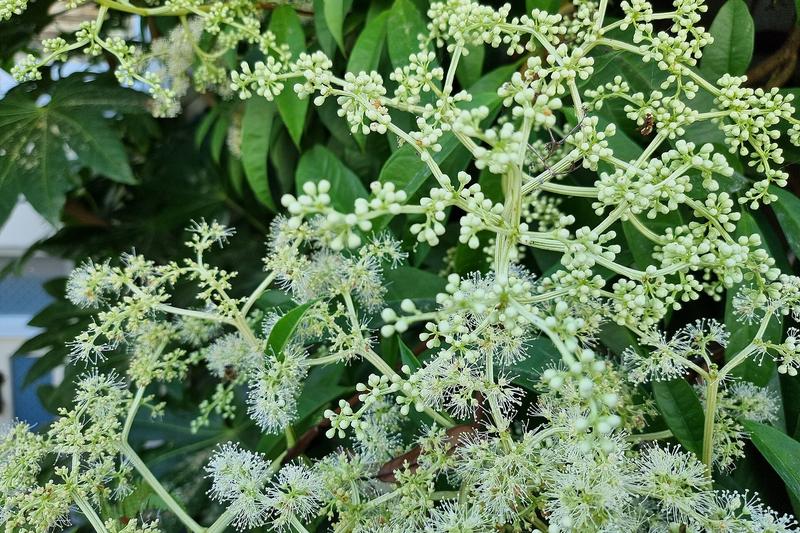
Quick facts
- Watering
- Weekly during establishment, then occasional
- Sunlight
- Partial shade to full shade
- Soil
- Moist, well-drained, humus-rich
- Humans
- Unknown
- Cats
- Unknown
- Dogs
- Unknown
- Height
- 400–600 cm
- Spread
- 150–300 cm
- Spacing
- 200–300 cm apart
- RHS recognition
- Award of Garden Merit
About Pileostegia
Pileostegia viburnoides is an evergreen self-clinging climber native to China and Taiwan, prized for its glossy, leathery foliage and creamy-white flower clusters that appear in late summer and autumn. Unlike many climbers, it attaches itself to walls and fences using aerial roots, making it ideal for covering shaded north-facing walls where few other climbers thrive. UK gardeners value this slow-growing but reliable plant for year-round interest and its ability to soften hard landscaping in challenging positions. Its late-season flowers provide valuable nectar for pollinators when many other plants have finished blooming.
UK fact: Pileostegia viburnoides holds the RHS Award of Garden Merit and has become increasingly popular in British gardens since the 1990s, particularly valued for its ability to thrive on north-facing walls in urban gardens where pollution and shade limit planting options.
Watering Pileostegia
Water regularly during the first two growing seasons to help establish a strong root system, particularly during dry spells from April to September. Once established, pileostegia is relatively drought-tolerant but benefits from watering during prolonged dry periods in summer. Plants on sheltered walls may need more frequent watering than those in open positions. Ensure good drainage in winter to prevent waterlogging, which can damage roots during cold snaps.
Sunlight requirements
Pileostegia thrives in partial to full shade, making it perfect for north or east-facing walls where many climbers struggle. It tolerates some morning sun but performs best away from hot afternoon exposure. In the UK, avoid south-facing walls in southern regions as excessive heat can scorch the foliage.
Soil and feeding
Pileostegia prefers fertile, moisture-retentive soil enriched with organic matter such as well-rotted compost or leaf mould. It tolerates a wide pH range from slightly acidic to neutral (pH 5.5-7.0) and adapts to most soil types except very dry or waterlogged conditions. When planting against walls, improve the soil generously as these areas tend to be dry and nutrient-poor. Add a 5-8cm mulch layer annually to retain moisture and suppress weeds.
Apply a balanced slow-release fertiliser such as blood, fish and bone in early spring around the base of the plant. A second feed with a general-purpose liquid fertiliser in early summer encourages healthy growth and flowering. Avoid high-nitrogen feeds after midsummer as this promotes soft growth vulnerable to frost damage.
Pruning Pileostegia
Pileostegia requires minimal pruning, which is best carried out in late spring after the risk of hard frost has passed. Remove any frost-damaged or dead growth, and trim back wayward shoots to maintain the desired shape and keep growth within bounds. Avoid heavy pruning as this can reduce flowering; instead, allow the plant to develop naturally. If necessary, thin out congested growth to improve air circulation and light penetration.
Propagating Pileostegia
Propagate pileostegia from semi-ripe cuttings taken in late summer (July to September). Select healthy, non-flowering shoots 10-15cm long, remove the lower leaves, and insert into pots of gritty compost. Place in a cold frame or sheltered spot and keep moist; rooting typically takes 8-12 weeks. Alternatively, layer low-growing stems in spring by pegging them to the soil surface and covering with compost; these should root within a year and can then be severed from the parent plant. Seed propagation is possible but slow and unreliable.
Common problems
Pileostegia is generally pest and disease-free, making it a low-maintenance choice for UK gardens. Occasionally, young growth may be affected by aphids in spring; these can be controlled by squashing by hand or using an organic insecticidal soap. In very cold winters, particularly in exposed positions, frost damage may occur to the foliage, causing browning at leaf tips; affected growth can be pruned out in spring. Poor establishment is usually due to insufficient watering in the first two years or planting in excessively dry soil at the base of walls.
Spot a problem with your plant? Photograph the affected area using the Loam app and it will suggest the most likely cause and treatment.
Safety
- Humans
-
Unknown
No confirmed toxicity data available; avoid ingestion as a precaution.
- Cats
-
Unknown
No confirmed toxicity data available for cats.
- Dogs
-
Unknown
No confirmed toxicity data available for dogs.
Toxicity information is for general guidance only. If a person or pet has been exposed to this plant and you are concerned, seek advice from a medical professional or vet.
Seasonal care calendar
Monthly care guide for Pileostegia in the UK, based on average conditions.
| Month | Care tasks |
|---|---|
| January | No action needed; plant is dormant but evergreen foliage provides winter interest. |
| February | Check plant supports are secure before spring growth begins. |
| March | Apply slow-release fertiliser and refresh mulch layer around the base. |
| April | Water regularly if conditions are dry; new growth begins to emerge. |
| May | Prune out any frost-damaged growth and tie in new shoots to supports if needed. |
| June | Apply liquid feed and continue watering during dry spells. |
| July | Take semi-ripe cuttings for propagation; maintain watering schedule. |
| August | Continue taking cuttings; flower buds begin to form. |
| September | Enjoy the creamy-white flower clusters; reduce watering as growth slows. |
| October | Flowers continue into early autumn; deadhead if desired but not essential. |
| November | Reduce watering; check plant is secure against winter winds. |
| December | No action needed; evergreen foliage provides structure through winter. |
Frequently asked questions
- Why is my pileostegia not flowering?
- Pileostegia typically takes 3-5 years to establish before flowering reliably. Lack of flowers is often due to the plant being too young, excessive shade, or heavy pruning that removes flowering wood. Ensure the plant receives some dappled light and avoid pruning after midsummer when flower buds form.
- How can I tell if my pileostegia needs watering?
- Check the soil moisture 5cm below the surface; if dry, water thoroughly. The Loam app can send personalised watering reminders based on your local weather conditions and help you track your plant's watering schedule to prevent both drought stress and overwatering.
- Will pileostegia damage my wall like ivy?
- No, pileostegia is much less vigorous than ivy and its aerial roots are smaller and less invasive. It's safe for sound brickwork and mortar, though it's wise to avoid planting against walls with crumbling mortar or render. The plant can be removed more easily than ivy if needed.
Got a question about growing Pileostegia that isn't covered here? Ask the Garden Advisor in the Loam app. It knows your saved plants and local conditions.
Related plants
This page was compiled with AI assistance and reviewed by our team. .