Schizophragma
Schizophragma hydrangeoides
Climbers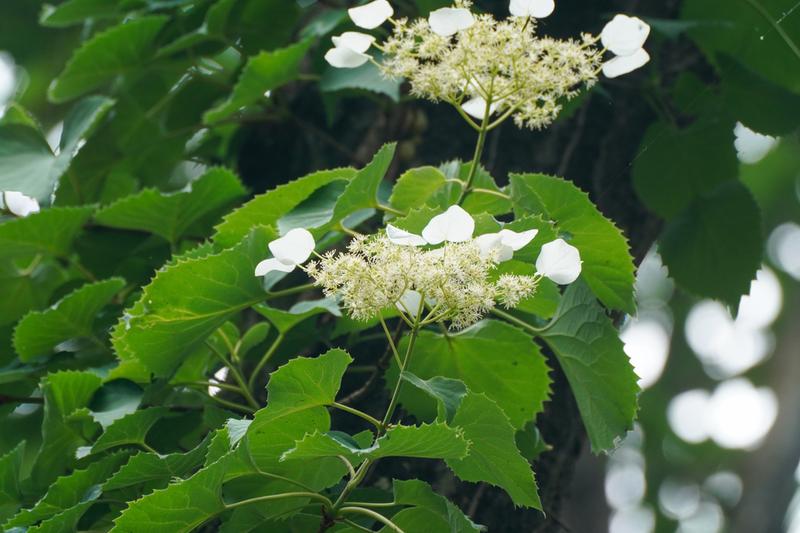
Quick facts
- Watering
- Weekly during establishment
- Sunlight
- Partial shade to full shade
- Soil
- Moist, well-drained, humus-rich
- Humans
- Unknown
- Cats
- Unknown
- Dogs
- Unknown
- Height
- 600–1200 cm
- Spread
- 200–300 cm
- Spacing
- 200–300 cm apart
- RHS recognition
- Award of Garden Merit
About Schizophragma
Schizophragma is a deciduous climbing plant native to Japan and Korea, prized for its elegant lacecap-like flower heads that appear in midsummer. This self-clinging climber uses aerial roots to attach itself to walls, fences, and trees, making it an excellent choice for north-facing walls where many climbers struggle. The heart-shaped leaves provide attractive foliage throughout the growing season, turning butter-yellow in autumn. UK gardeners value it as a sophisticated alternative to climbing hydrangea, offering similar charm with slightly more refined flowers.
UK fact: Schizophragma hydrangeoides received the RHS Award of Garden Merit in 1993, recognising its excellent performance in British gardens and its particular suitability for challenging north and east-facing walls in the UK climate.
Watering Schizophragma
Water regularly during the first two growing seasons to help the plant establish a strong root system, particularly during dry spells. Once established, schizophragma is reasonably drought-tolerant but performs best with consistent moisture during summer. In the UK, established plants typically need supplementary watering only during prolonged dry periods. Mulch around the base to retain moisture and keep roots cool.
Sunlight requirements
Schizophragma thrives in partial shade and is particularly well-suited to north and east-facing walls in UK gardens. It tolerates full shade but may produce fewer flowers in very dark positions. Avoid hot, south-facing walls where the foliage can scorch during summer heatwaves.
Soil and feeding
Schizophragma prefers fertile, humus-rich soil that retains moisture without becoming waterlogged. It thrives in neutral to slightly acidic conditions (pH 6.0-7.0) and benefits from generous incorporation of organic matter such as well-rotted compost or leaf mould at planting time. The soil should be well-drained, as waterlogged conditions in winter can damage the roots. A deep mulch of organic matter applied annually helps maintain soil structure and moisture retention.
Apply a balanced slow-release fertiliser in early spring as new growth emerges. A generous mulch of well-rotted compost or manure around the base in March provides nutrients and helps retain moisture throughout the growing season.
Pruning Schizophragma
Schizophragma requires minimal pruning and flowers on the previous year's growth, so avoid hard pruning which removes flowering wood. After flowering in late summer, remove any dead, damaged, or wayward stems to maintain shape and keep the plant within bounds. If necessary, thin out congested growth in late winter or early spring before new growth begins. Avoid autumn pruning as this can make the plant vulnerable to frost damage.
Propagating Schizophragma
Propagate schizophragma from semi-ripe cuttings taken in late summer (July to August). Take 10-15cm cuttings from the current season's growth, remove the lower leaves, and insert into pots of gritty compost. Keep in a cold frame or sheltered spot, maintaining humidity until rooted. Layering is also effective: peg down a low-growing stem in spring, wound the underside slightly, and cover with soil. Roots should form within 12-18 months, after which the new plant can be severed and transplanted.
Common problems
Schizophragma is generally pest and disease-free in UK gardens, making it a low-maintenance choice. Occasionally, aphids may appear on new growth in spring but rarely cause significant damage. The main cultural problem is slow establishment, as young plants can take 2-3 years to settle in before growing vigorously. Poor flowering is usually due to excessive shade, lack of moisture during bud formation, or pruning at the wrong time which removes flowering wood.
Spot a problem with your plant? Photograph the affected area using the Loam app and it will suggest the most likely cause and treatment.
Safety
- Humans
-
Unknown
No confirmed toxicity data available. As with all plants, avoid ingestion and supervise children around the plant.
- Cats
-
Unknown
No confirmed toxicity data available for cats. Monitor pets and consult a vet if ingestion occurs.
- Dogs
-
Unknown
No confirmed toxicity data available for dogs. Monitor pets and consult a vet if ingestion occurs.
Toxicity information is for general guidance only. If a person or pet has been exposed to this plant and you are concerned, seek advice from a medical professional or vet.
Seasonal care calendar
Monthly care guide for Schizophragma in the UK, based on average conditions.
| Month | Care tasks |
|---|---|
| January | No action needed. Plant is fully dormant. |
| February | Check supports and ties are secure before spring growth begins. |
| March | Apply slow-release fertiliser and mulch with well-rotted compost. Prune any dead or damaged stems. |
| April | New growth emerges. Water if conditions are dry. Guide young shoots onto supports. |
| May | Continue watering during dry spells. Monitor for aphids on new growth. |
| June | Flower buds develop. Ensure adequate moisture during bud formation. |
| July | Flowers appear. Take semi-ripe cuttings for propagation. Water during dry weather. |
| August | Flowering continues. Remove spent blooms if desired. Continue taking cuttings early in the month. |
| September | Flowering finishes. Lightly prune wayward stems after flowering if needed. |
| October | Foliage begins to turn yellow. Reduce watering as growth slows. |
| November | Leaves fall. Clear fallen leaves from around the base to prevent fungal issues. |
| December | No action needed. Plant enters dormancy. |
Frequently asked questions
- Why is my schizophragma not flowering?
- Schizophragma typically takes 3-5 years after planting to flower reliably. Poor flowering is often due to excessive shade, incorrect pruning that removes flowering wood, or lack of moisture during bud formation in late spring. Ensure the plant receives some dappled light, avoid pruning in spring, and water well during May and June.
- How can I tell if my schizophragma needs more water?
- Wilting leaves and poor growth during summer indicate insufficient water. The Loam app can send you personalised watering reminders based on your local weather conditions and help you track soil moisture levels to prevent drought stress during establishment.
- What's the difference between schizophragma and climbing hydrangea?
- While both are self-clinging climbers with similar lacecap flowers, schizophragma has individual petal-like bracts surrounding each flower cluster, whereas climbing hydrangea (Hydrangea petiolaris) has clusters of sterile florets. Schizophragma also has more heart-shaped leaves and slightly more refined flowers, though both are excellent for shady walls.
Got a question about growing Schizophragma that isn't covered here? Ask the Garden Advisor in the Loam app. It knows your saved plants and local conditions.
Related plants
This page was compiled with AI assistance and reviewed by our team. .