Hydrangea
Hydrangea macrophylla
Shrubs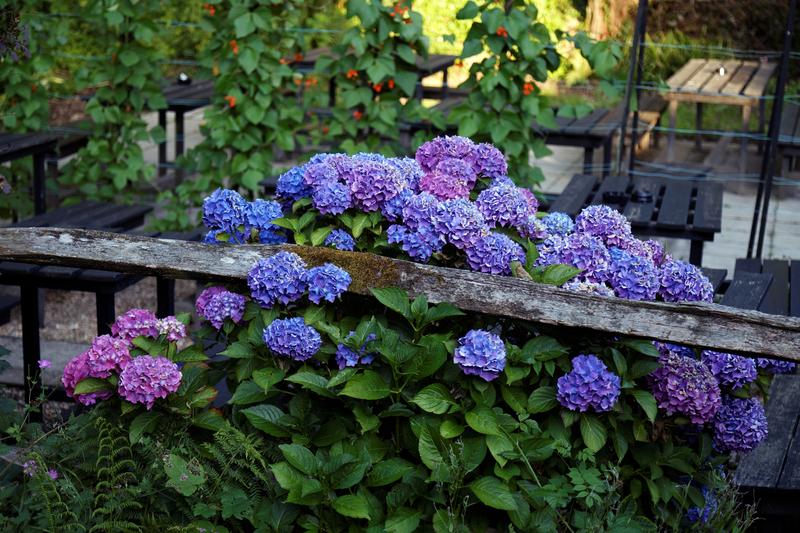
Quick facts
- Watering
- Twice weekly during growing season
- Sunlight
- Partial shade to morning sun
- Soil
- Moist, well-drained, humus-rich
- Humans
- Toxic
- Cats
- Toxic
- Dogs
- Toxic
- Height
- 100–200 cm
- Spread
- 100–250 cm
- Spacing
- 120–150 cm apart
- RHS recognition
- Award of Garden Merit
About Hydrangea
Hydrangea macrophylla is a deciduous shrub celebrated for its spectacular mophead or lacecap flower clusters that bloom from midsummer through autumn. Native to Japan, this classic cottage garden plant has been a mainstay of British gardens since Victorian times, prized for its ability to thrive in our cool, moist climate. UK gardeners particularly value its long flowering season, architectural presence, and the fascinating ability of some cultivars to change flower colour depending on soil pH. The large, bold leaves and showy blooms make it an excellent specimen plant for borders, containers, and woodland gardens.
UK fact: Many Hydrangea macrophylla cultivars hold the RHS Award of Garden Merit, and the plant's flowers have been used in British floristry for generations, with dried blooms remaining popular for autumn and winter arrangements in country houses throughout the UK.
Watering Hydrangea
Water deeply twice weekly during the growing season, increasing to daily during hot, dry spells in July and August. The large leaves lose moisture rapidly, and wilting is a common problem even in the UK's relatively moist climate. Established plants still require regular watering during dry periods, as their shallow root systems cannot access deep moisture. Mulching helps retain soil moisture and reduces watering frequency.
Sunlight requirements
In the UK, position hydrangeas where they receive morning sunlight and afternoon shade, or dappled light throughout the day. East-facing borders are ideal, whilst south-facing positions should be avoided unless the soil remains consistently moist. In northern regions and Scotland, hydrangeas tolerate more sun, but still benefit from some shade during the hottest part of the day.
Soil and feeding
Plant in rich, moisture-retentive soil that has been improved with plenty of garden compost or well-rotted manure. Whilst drainage is important to prevent waterlogging in winter, the soil must retain moisture during summer. Soil pH dramatically affects flower colour: acidic soils (pH 5.5 or below) produce blue flowers, whilst alkaline soils (pH 6.5 and above) result in pink blooms. White varieties remain unaffected by pH, and lacecap types are generally less responsive to soil chemistry than mopheads.
Apply a general-purpose slow-release fertiliser in early spring as new growth emerges, and again in June to support flower development. For blue hydrangeas on neutral or alkaline soils, use a specialist ericaceous feed and consider applying aluminium sulphate to maintain acidity. Avoid high-nitrogen feeds after July, as soft late growth is vulnerable to frost damage.
Pruning Hydrangea
Hydrangea macrophylla flowers on the previous year's wood, so prune carefully in March or early April. Remove dead or damaged stems entirely, and cut back flowered stems to the first pair of strong buds below the old flowerhead. Avoid hard pruning, which removes flowering wood and results in no blooms that summer. Deadhead spent flowers in autumn or leave them for winter interest, as the old flowerheads provide some frost protection to developing buds beneath.
Propagating Hydrangea
Take softwood cuttings in June or July when the plant is in active growth. Select non-flowering shoots with healthy leaves and root in a mix of multipurpose compost and perlite or sharp sand. Cuttings typically root within four to six weeks in a propagator or covered with a plastic bag. Alternatively, layer low-growing stems in spring by pegging them to the soil surface; they will root by autumn and can be severed from the parent plant the following spring.
Common problems
Hydrangeas are relatively trouble-free but can suffer from powdery mildew in dry conditions, appearing as white powder on leaves; improve air circulation and water regularly at the base. Capsid bugs cause distorted leaves with torn holes, whilst vine weevil larvae can damage roots in container-grown plants. Frost damage to flower buds is common in exposed sites, resulting in no blooms; protect with horticultural fleece during late spring frosts. Chlorosis (yellowing leaves) indicates iron deficiency, usually on alkaline soils, and can be remedied with sequestered iron.
Spot a problem with your plant? Photograph the affected area using the Loam app and it will suggest the most likely cause and treatment.
Safety
- Humans
-
Toxic
All parts of hydrangea contain cyanogenic glycosides and can cause stomach upset, nausea, and vomiting if ingested. Keep away from children.
- Cats
-
Toxic
Toxic to cats if ingested, causing vomiting, diarrhoea, and lethargy. Contact a vet if consumption is suspected.
- Dogs
-
Toxic
Toxic to dogs if ingested, causing vomiting, diarrhoea, and depression. Seek veterinary attention if your dog has eaten any part of the plant.
Toxicity information is for general guidance only. If a person or pet has been exposed to this plant and you are concerned, seek advice from a medical professional or vet.
Seasonal care calendar
Monthly care guide for Hydrangea in the UK, based on average conditions.
| Month | Care tasks |
|---|---|
| January | No action needed. Leave old flowerheads in place for frost protection and winter interest. |
| February | Check plants for frost damage and remove any broken stems. Prepare planting sites by incorporating organic matter. |
| March | Prune lightly, removing dead wood and cutting flowered stems back to strong buds. Apply slow-release fertiliser and mulch with compost. |
| April | Watch for emerging shoots and protect from late frosts with fleece if necessary. Plant new specimens and water in well. |
| May | Begin regular watering as temperatures rise. Apply liquid feed fortnightly. Check for aphids on new growth. |
| June | Water twice weekly in dry weather. Take softwood cuttings mid-month. Apply second feed to support flowering. |
| July | Flowers begin to open. Water daily during hot spells to prevent wilting. Continue taking cuttings early in the month. |
| August | Peak flowering period. Maintain consistent watering. Deadhead spent blooms if desired, though many prefer to leave them. |
| September | Flowers begin to fade and take on autumn tints. Reduce watering frequency as temperatures cool. Pot on rooted cuttings. |
| October | Leave faded flowerheads for winter interest and bud protection. Clear fallen leaves from around the base to prevent fungal issues. |
| November | Protect container-grown plants by moving to sheltered positions. Apply winter mulch around the base in cold regions. |
| December | No action needed. Enjoy the architectural form and dried flowerheads in the winter garden. |
Frequently asked questions
- When should I prune my hydrangea?
- Prune Hydrangea macrophylla lightly in early spring (March-April) after the risk of hard frost has passed. Only remove dead or damaged stems and cut back to the first pair of strong buds. Avoid hard pruning, as these hydrangeas flower on the previous year's wood—cutting too much will remove this season's blooms. Never prune in autumn or winter, as this removes flower buds and exposes the plant to frost damage.
- Why are my hydrangea leaves turning brown?
- Brown leaves can result from several issues: underwatering (hydrangeas need consistently moist soil), wind scorch, frost damage, or leaf spot disease. Check soil moisture regularly—the compost should never dry out completely. If browning appears as spots or patches, it may be fungal leaf spot, which thrives in humid conditions. The Loam app can help diagnose the specific cause through photo analysis and provide personalised watering reminders based on your local weather conditions.
- What is the best position for planting hydrangeas?
- Hydrangeas thrive in partial shade with morning sun and afternoon shade, though they tolerate more sun in northern regions if kept well-watered. They prefer sheltered spots protected from cold winds and late frosts. The soil should be moist but well-drained, enriched with organic matter, and ideally slightly acidic (pH 5.5-6.5). Avoid planting in deep shade, which reduces flowering, or exposed positions where buds may be damaged by harsh weather.
Got a question about growing Hydrangea that isn't covered here? Ask the Garden Advisor in the Loam app. It knows your saved plants and local conditions.
Related plants
This page was compiled with AI assistance and reviewed by our team. .