Hydrangea Arborescens
Hydrangea arborescens
Shrubs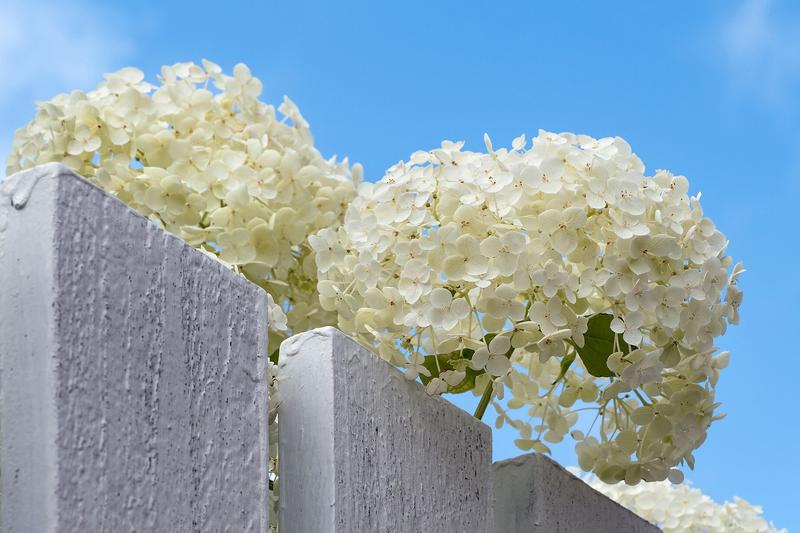
Quick facts
- Watering
- Weekly, more in hot weather
- Sunlight
- Partial shade to full sun
- Soil
- Moist, well-drained, humus-rich
- Humans
- Toxic
- Cats
- Toxic
- Dogs
- Toxic
- Height
- 100–150 cm
- Spread
- 100–150 cm
- Spacing
- 120–150 cm apart
- RHS recognition
- Award of Garden Merit
About Hydrangea Arborescens
Hydrangea arborescens is a deciduous shrub native to eastern North America, prized for its large, rounded white flower heads that appear from June through September. Unlike mophead hydrangeas, this species blooms reliably on new wood, making it ideal for UK gardens where late frosts can damage early growth. British gardeners value it for its tolerance of shade, ease of pruning, and spectacular 'Annabelle' cultivar with blooms up to 30cm across. The flowers age to a soft green, providing interest well into autumn.
UK fact: Hydrangea arborescens 'Annabelle' received the RHS Award of Garden Merit and has become one of the most popular hydrangeas in British gardens due to its reliability in our unpredictable climate and ability to flower even after harsh winters.
Watering Hydrangea Arborescens
Water deeply once or twice weekly during spring and summer, increasing frequency during hot, dry spells when the large leaves can wilt rapidly. Established plants in moisture-retentive soil may need less frequent watering, but never allow the root zone to dry out completely during the flowering period. In typical UK summers, rainfall often provides adequate moisture, but container-grown specimens and newly planted shrubs require regular monitoring. Reduce watering in autumn and winter, allowing the soil to remain just moist but not saturated.
Sunlight requirements
In the UK, Hydrangea arborescens performs best in partial shade, particularly in south-facing positions where afternoon shade prevents flower scorch during hot summers. It tolerates full sun in northern regions or when planted in moisture-retentive soil, but flowers may fade more quickly. East or west-facing borders are ideal, providing morning or evening sun whilst protecting the blooms from the harshest midday rays.
Soil and feeding
Hydrangea arborescens thrives in fertile, humus-rich soil that retains moisture without becoming waterlogged, making it well-suited to improved clay or loamy soils common in UK gardens. Unlike Hydrangea macrophylla, flower colour is not affected by soil pH, remaining white regardless of acidity or alkalinity, though it grows best in slightly acidic to neutral conditions (pH 5.5-7.0). Improve poor soils by incorporating well-rotted compost or leaf mould before planting, and apply a 5-7cm mulch annually to maintain moisture and soil structure. Heavy clay soils benefit from added grit or sharp sand to improve drainage, whilst sandy soils require generous organic matter to boost water retention.
Feed in early spring with a general-purpose balanced fertiliser such as blood, fish and bone or a slow-release granular feed to encourage healthy growth. Apply a second feed in early summer using a potassium-rich fertiliser like tomato feed to promote flower development and strengthen stems that must support the heavy blooms. Avoid high-nitrogen feeds after June as these encourage soft growth at the expense of flowers and can reduce winter hardiness.
Pruning Hydrangea Arborescens
The great advantage of Hydrangea arborescens is its simple pruning regime: cut all stems back hard to 15-30cm above ground level in late February or March, just as buds begin to swell. This encourages vigorous new growth that will carry the current season's flowers and prevents the shrub becoming leggy with bare lower stems. Remove any dead, damaged or crossing stems, and thin congested growth to improve air circulation. Deadheading spent flowers is optional but leaving them on through winter provides structural interest and some frost protection for emerging buds.
Propagating Hydrangea Arborescens
Take 10-15cm softwood cuttings in May or June from non-flowering shoots, or semi-ripe cuttings in July and August. Remove lower leaves, dip the cut end in hormone rooting powder, and insert into pots filled with a 50:50 mix of multipurpose compost and perlite or sharp sand. Place in a propagator or cover with a clear plastic bag, keeping in a shaded cold frame or sheltered spot outdoors. Cuttings typically root within 4-6 weeks and can be potted on individually, overwintered in a cold frame, and planted out the following spring.
Common problems
Hydrangea arborescens is relatively trouble-free but can suffer from powdery mildew in dry conditions, appearing as white powdery patches on leaves; improve air circulation and water regularly to prevent this. Aphids may colonise soft new growth in spring, causing distorted leaves and sticky honeydew; treat with insecticidal soap or encourage natural predators. Capsid bugs can cause tattered, holed leaves and distorted shoot tips, though damage is usually cosmetic and doesn't warrant treatment in most gardens. The heavy flower heads can cause stems to flop, particularly after rain, so staking may be necessary for cultivars like 'Annabelle' or consider the more compact 'Incrediball' which has stronger stems.
Spot a problem with your plant? Photograph the affected area using the Loam app and it will suggest the most likely cause and treatment.
Safety
- Humans
-
Toxic
All parts contain cyanogenic glycosides which can cause stomach upset, nausea and vomiting if ingested. Keep away from children.
- Cats
-
Toxic
Contains cyanogenic glycosides that can cause vomiting, diarrhoea and depression if ingested. Contact a vet if consumption is suspected.
- Dogs
-
Toxic
All parts are toxic to dogs, causing vomiting, diarrhoea and lethargy if eaten. Seek veterinary attention if your dog consumes any part of the plant.
Toxicity information is for general guidance only. If a person or pet has been exposed to this plant and you are concerned, seek advice from a medical professional or vet.
Seasonal care calendar
Monthly care guide for Hydrangea Arborescens in the UK, based on average conditions.
| Month | Care tasks |
|---|---|
| January | No action needed. Leave old flower heads in place for winter structure and frost protection. |
| February | Prune hard in late February, cutting all stems back to 15-30cm above ground level as buds begin to swell. |
| March | Complete pruning if not done in February. Apply blood, fish and bone or balanced fertiliser around the base and refresh mulch. |
| April | New shoots emerge rapidly. Water during dry spells and watch for aphids on tender growth. |
| May | Take softwood cuttings from non-flowering shoots. Ensure consistent watering as growth accelerates and leaves expand. |
| June | Flower buds develop and early blooms appear. Apply potassium-rich feed to support flowering. Continue taking softwood cuttings. |
| July | Peak flowering period. Water deeply during dry weather. Take semi-ripe cuttings. Stake heavy flower heads if necessary. |
| August | Flowers continue and begin to age to green. Maintain watering in hot weather. Final opportunity for semi-ripe cuttings. |
| September | Flowers fade to attractive green tones. Reduce watering as growth slows. Leave seed heads for autumn interest. |
| October | Foliage begins to yellow and drop. Leave flower heads in place for winter structure. Minimal watering required. |
| November | Plant becomes dormant. No action needed. Dried flower heads provide winter interest and wildlife habitat. |
| December | No action needed. Resist the temptation to prune; wait until late winter for best results. |
Frequently asked questions
- When should I cut back Hydrangea arborescens?
- Prune in late February or early March, just as the buds begin to swell. Cut all stems back hard to 15-30cm above ground level. This differs from mophead hydrangeas which require lighter pruning, so don't confuse the two species.
- Why are my Hydrangea arborescens leaves turning yellow?
- Yellowing leaves can indicate several issues including overwatering, poor drainage, nutrient deficiency (particularly iron in alkaline soils), or underwatering during hot spells. The Loam app can help diagnose the specific cause by analysing photos of your plant and tracking watering patterns, then provide personalised care recommendations to restore healthy foliage.
- How do I propagate Hydrangea arborescens from cuttings?
- Take softwood cuttings in early summer from non-flowering shoots. Cut 10-15cm lengths just below a leaf node, remove lower leaves, and dip in hormone rooting powder. Insert into pots of moist, gritty compost and cover with a plastic bag or propagator lid. Keep in a shaded spot and cuttings should root within 4-6 weeks.
Got a question about growing Hydrangea Arborescens that isn't covered here? Ask the Garden Advisor in the Loam app. It knows your saved plants and local conditions.
Related plants
This page was compiled with AI assistance and reviewed by our team. .