Phygelius
Phygelius capensis
Perennials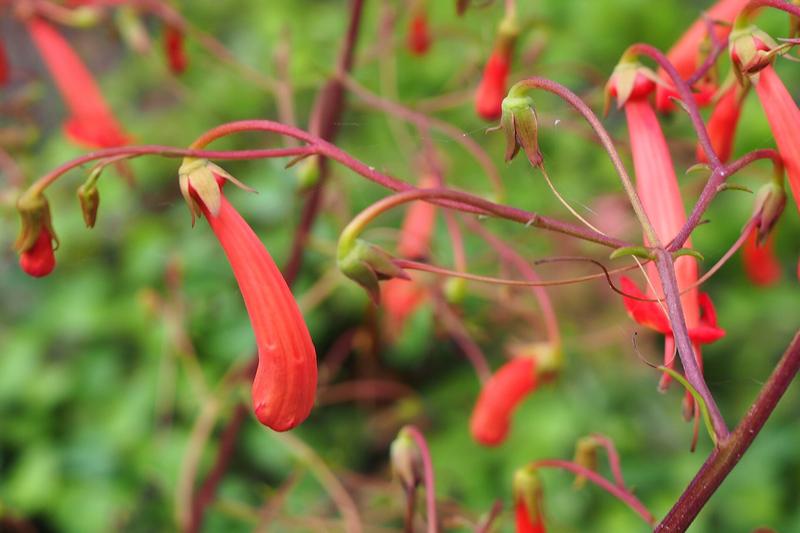
Quick facts
- Watering
- Weekly during growing season
- Sunlight
- Full sun to partial shade
- Soil
- Well-drained, moderately fertile
- Humans
- Unknown
- Cats
- Unknown
- Dogs
- Unknown
- Height
- 90–150 cm
- Spread
- 60–90 cm
- Spacing
- 60–75 cm apart
- RHS recognition
- Award of Garden Merit
About Phygelius
Phygelius is a striking South African perennial prized for its long tubular flowers in shades of red, orange, yellow, and cream that bloom from midsummer through to autumn. Despite its common name Cape Fuchsia, it is not related to true fuchsias but belongs to the figwort family. UK gardeners value it for its extended flowering season, hummingbird-like blooms that attract pollinators, and ability to thrive in sheltered borders and coastal gardens. In milder regions it remains evergreen, whilst in colder areas it behaves as a herbaceous perennial, dying back in winter and reshooting from the base.
UK fact: Phygelius has been awarded the RHS Award of Garden Merit for several cultivars including 'Moonraker' and 'Yellow Trumpet', recognising their exceptional performance in British gardens and their reliability in the UK's temperate maritime climate.
Watering Phygelius
Water regularly during the growing season, particularly in dry spells, to maintain consistent soil moisture and support continuous flowering. Established plants have moderate drought tolerance but perform best with weekly watering during summer. In containers, check soil moisture every few days as they dry out more quickly. Reduce watering significantly in winter, especially for plants grown in the ground, allowing the soil to remain just slightly moist.
Sunlight requirements
Phygelius performs best in full sun, which encourages prolific flowering and compact growth. In hotter southern regions, light afternoon shade can prevent scorching and prolong blooms. Plant against south or west-facing walls for warmth and shelter, or in east-facing borders where it will receive morning sun and protection from the hottest rays.
Soil and feeding
Phygelius thrives in well-drained soil that does not become waterlogged in winter, as excessive moisture can cause root rot. It tolerates a range of soil types including sandy, loamy, and chalky soils, and is unfussy about pH, growing well in neutral to slightly alkaline conditions. Improve heavy clay soils with grit and organic matter to enhance drainage. In containers, use a loam-based compost such as John Innes No. 3 mixed with horticultural grit.
Apply a balanced liquid fertiliser fortnightly during the flowering period from June to September to support the long blooming season. In spring, mulch around the base with well-rotted compost or manure to provide slow-release nutrients. Avoid high-nitrogen feeds which promote leafy growth at the expense of flowers.
Pruning Phygelius
In late March or early April, cut back all stems to within 15-20 cm of ground level to encourage fresh, vigorous growth and abundant flowers. In milder regions where plants remain semi-evergreen, you can opt for lighter pruning, removing only dead or frost-damaged growth. Deadhead spent flower spikes throughout summer to prolong blooming and maintain a tidy appearance. After the first hard frost, cut back any remaining top growth to protect the crown.
Propagating Phygelius
Phygelius is easily propagated from softwood cuttings taken in late spring or early summer. Take 8-10 cm cuttings from non-flowering shoots, remove lower leaves, and insert into gritty compost, keeping them in a sheltered spot or cold frame until rooted. Division is also successful in spring: lift established clumps and separate rooted sections, replanting immediately. Seed can be sown in spring under cover, though cultivars will not come true to type and may revert to the species form.
Common problems
Phygelius is generally trouble-free but can suffer from aphid infestations on new growth in spring and summer, which can be controlled with insecticidal soap or by encouraging natural predators. In poorly drained soils or wet winters, root and crown rot can occur, so ensuring good drainage is essential. Frost damage to stems and foliage is common in colder regions, though plants usually recover from the base in spring. Slugs and snails may attack emerging shoots in early spring, so apply organic slug pellets or barriers around the crown.
Spot a problem with your plant? Photograph the affected area using the Loam app and it will suggest the most likely cause and treatment.
Safety
- Humans
-
Unknown
No confirmed toxicity data available. As with all plants, avoid ingestion and handle with care.
- Cats
-
Unknown
No confirmed toxicity data available for cats. Monitor pets and contact a vet if ingestion occurs.
- Dogs
-
Unknown
No confirmed toxicity data available for dogs. Monitor pets and contact a vet if ingestion occurs.
Toxicity information is for general guidance only. If a person or pet has been exposed to this plant and you are concerned, seek advice from a medical professional or vet.
Seasonal care calendar
Monthly care guide for Phygelius in the UK, based on average conditions.
| Month | Care tasks |
|---|---|
| January | No action needed. Protect crowns with mulch in cold regions. |
| February | Check winter protection is still in place. Avoid disturbing dormant crowns. |
| March | Cut back old stems to 15-20 cm above ground. Apply slow-release fertiliser and mulch. |
| April | Watch for emerging shoots. Take softwood cuttings from new growth. Divide established clumps if needed. |
| May | Water regularly as growth accelerates. Stake tall varieties if necessary. Continue taking cuttings. |
| June | Begin fortnightly liquid feeding as flower buds form. Deadhead early blooms to encourage more flowers. |
| July | Deadhead regularly. Continue feeding and watering. Peak flowering period begins. |
| August | Maintain deadheading and watering regime. Continue fortnightly feeding to sustain flowering. |
| September | Continue deadheading. Reduce feeding towards month end. Flowering continues into autumn. |
| October | Stop feeding. Reduce watering. Allow late flowers to fade naturally. Collect seed if desired. |
| November | Cut back frost-damaged growth. Apply protective mulch around crowns in cold areas. |
| December | No action needed. Ensure winter protection remains in place in exposed gardens. |
Frequently asked questions
- Why is my Phygelius not flowering?
- Insufficient sunlight is the most common cause, as Phygelius needs at least six hours of direct sun daily for prolific blooming. Over-feeding with high-nitrogen fertiliser promotes leafy growth at the expense of flowers, so switch to a balanced or high-potassium feed. Late or severe pruning can also delay flowering, so prune in early spring and deadhead regularly to encourage continuous blooms throughout summer and autumn.
- How do I know when to water my Phygelius?
- Check the top 5 cm of soil: if it feels dry, water thoroughly until moisture reaches the roots. During hot spells, container-grown plants may need watering every 2-3 days, whilst established border plants typically need weekly watering. The Loam app can send you personalised watering reminders based on your local weather and soil conditions, taking the guesswork out of plant care.
- Will Phygelius survive winter in my garden?
- In most of the UK, Phygelius is hardy to around -10°C and will survive winter with minimal protection, though it may die back to ground level in colder areas. In northern regions, exposed sites, or during severe winters, apply a thick mulch of bark or compost over the crown in November. Against a warm south-facing wall or in coastal gardens, plants often remain evergreen and require no special protection.
Got a question about growing Phygelius that isn't covered here? Ask the Garden Advisor in the Loam app. It knows your saved plants and local conditions.
Related plants
This page was compiled with AI assistance and reviewed by our team. .