Phacelia
Phacelia tanacetifolia
Annuals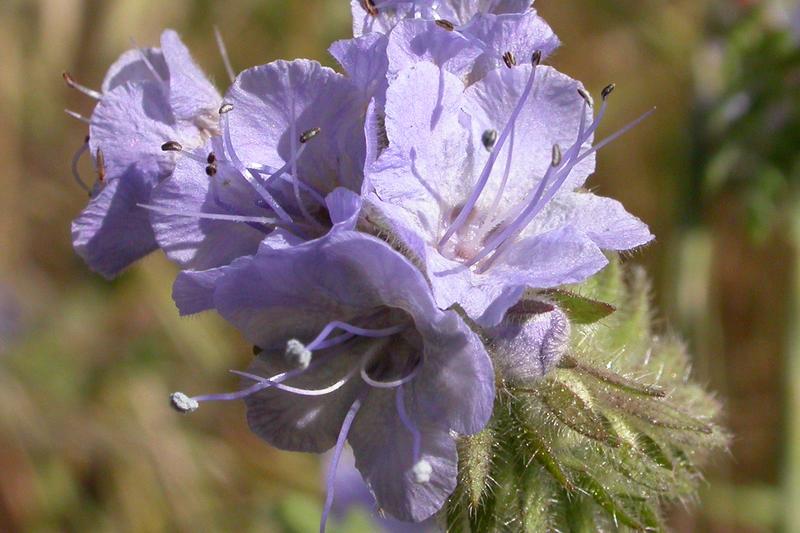
Quick facts
- Watering
- Minimal once established
- Sunlight
- Full sun to partial shade
- Soil
- Well-drained, poor to moderate fertility
- Humans
- Safe
- Cats
- Safe
- Dogs
- Safe
- Height
- 60–100 cm
- Spread
- 20–30 cm
- Spacing
- 15–20 cm apart
About Phacelia
Phacelia is a fast-growing hardy annual native to California and the southwestern United States, prized in UK gardens primarily as a green manure and exceptional pollinator plant. Its delicate, fern-like foliage is topped with coiled clusters of lavender-blue flowers that unfurl to reveal prominent stamens, creating a haze of colour from late spring through summer. British gardeners value it for improving soil structure, suppressing weeds, and attracting bees, hoverflies, and other beneficial insects in remarkable numbers. It's an indispensable plant for organic gardeners, allotment holders, and anyone seeking to support wildlife.
UK fact: Phacelia is so effective at attracting pollinators that it's often included in UK wildflower seed mixes and agri-environment schemes, with a single acre capable of supporting millions of honeybees and providing nectar equivalent to several hives' worth of honey production.
Watering Phacelia
Phacelia is remarkably drought-tolerant once established and rarely requires watering in the UK climate, relying on natural rainfall for most of its needs. Water seedlings lightly during germination and establishment, particularly if sowing in late spring during dry spells. Mature plants develop deep taproots that access moisture from lower soil layers, making them excellent for dry gardens and areas with water restrictions. Overwatering can lead to lush foliage at the expense of flowers and may encourage fungal issues in heavy soils.
Sunlight requirements
Phacelia thrives in full sun, producing the most abundant flowers and attracting the greatest number of pollinators when given at least six hours of direct sunlight daily. It tolerates partial shade reasonably well, though flowering may be slightly reduced and stems can become more lax. In the UK, a south- or west-facing position is ideal, though it will perform adequately on east-facing beds or in dappled shade beneath fruit trees.
Soil and feeding
Phacelia positively thrives in poor to moderately fertile, well-drained soils and actually performs better in lean conditions than in rich, heavily amended beds. It tolerates a wide pH range from slightly acidic to alkaline (pH 5.5-8.0), making it suitable for most UK garden soils including chalky, sandy, and stony ground. Heavy clay soils should be improved with grit or sharp sand to ensure adequate drainage, as waterlogged conditions can cause root rot. When grown as green manure, it improves soil structure with its deep roots and adds organic matter when dug in.
Phacelia requires no supplementary feeding and actively benefits from nutrient-poor conditions, which encourage flowering over excessive leafy growth. Avoid applying fertilisers or compost before sowing, as rich soil produces lush foliage with fewer flowers and reduces its effectiveness as a green manure crop. When grown specifically to improve soil, its value lies in fixing nitrogen through decomposition and adding organic matter rather than requiring inputs.
Pruning Phacelia
Phacelia requires no pruning in the traditional sense, though deadheading spent flowers can prolong the blooming period if you wish to maintain ornamental displays. Most gardeners allow plants to self-seed freely, creating naturalistic drifts and ensuring continuous pollinator support year after year. When grown as green manure, cut down plants before they set seed (typically 6-8 weeks after sowing) and either leave as surface mulch or dig into the top 15cm of soil to decompose. If self-seeding becomes excessive, simply hoe off unwanted seedlings in early spring.
Propagating Phacelia
Phacelia is grown exclusively from seed sown directly where it is to flower, as it dislikes root disturbance and transplants poorly. Sow from March to September in the UK, raking seed lightly into prepared soil or broadcasting over bare ground and watering in gently. Germination occurs within 7-14 days in soil temperatures above 10°C, with spring sowings flowering in 6-8 weeks and providing blooms until the first frosts. For continuous flowering and maximum pollinator benefit, make successive sowings every 3-4 weeks throughout the growing season.
Common problems
Phacelia is remarkably trouble-free and suffers from very few pests or diseases in UK gardens, making it ideal for organic growing. Slugs and snails may nibble young seedlings in damp conditions, though plants quickly outgrow any damage once established. Powdery mildew can occasionally appear on foliage in late summer during humid weather, but this rarely affects flowering or the plant's value to pollinators and can be ignored. The main cultural issue is self-seeding becoming too enthusiastic in favourable conditions, though unwanted seedlings are easily removed by hoeing.
Spot a problem with your plant? Photograph the affected area using the Loam app and it will suggest the most likely cause and treatment.
Safety
- Humans
- Safe
- Cats
- Safe
- Dogs
- Safe
Toxicity information is for general guidance only.
Seasonal care calendar
Monthly care guide for Phacelia in the UK, based on average conditions.
| Month | Care tasks |
|---|---|
| January | No action needed. |
| February | Prepare beds for spring sowing by removing weeds and raking to a fine tilth. |
| March | Begin sowing outdoors from mid-month in milder regions, broadcasting seed thinly and raking in lightly. |
| April | Continue sowing for succession. Thin early sowings to 15-20cm spacing if overcrowded. |
| May | Make further sowings for continuous flowering. Early sowings begin flowering from late May. |
| June | Enjoy peak flowering and pollinator activity. Sow final batches for late summer blooms. |
| July | Flowers in full bloom attracting bees and hoverflies. Cut green manure crops before seeding and dig in. |
| August | Later sowings continue flowering. Allow some plants to set seed for self-sowing if desired. |
| September | Flowering continues until first frosts. Collect seed from dried flower heads for next year. |
| October | Plants decline after frost. Clear spent growth or leave to decompose as mulch over winter. |
| November | No action needed. |
| December | No action needed. |
Frequently asked questions
- When should I sow phacelia seeds in the UK?
- Sow phacelia seeds directly outdoors from March through to September in the UK. For best results, make successive sowings every 3-4 weeks from April to July to ensure continuous flowering and maximum benefit to pollinators throughout summer and into autumn.
- How do I know when to cut down phacelia grown as green manure?
- Cut phacelia for green manure 6-8 weeks after sowing, ideally just as flowering begins but before seed sets. The Loam app can send you timely reminders based on your sowing date and track your green manure rotation across different beds.
- Does phacelia really attract more bees than other flowers?
- Yes, phacelia is exceptionally attractive to bees, hoverflies, and other pollinators, often outperforming traditional garden flowers. Its abundant nectar and long flowering period make it one of the most valuable plants for supporting beneficial insects, with studies showing it can attract over 20 different pollinator species in a single garden.
Got a question about growing Phacelia that isn't covered here? Ask the Garden Advisor in the Loam app. It knows your saved plants and local conditions.
Related plants
This page was compiled with AI assistance and reviewed by our team. .