Pennyroyal
Mentha pulegium
Herbs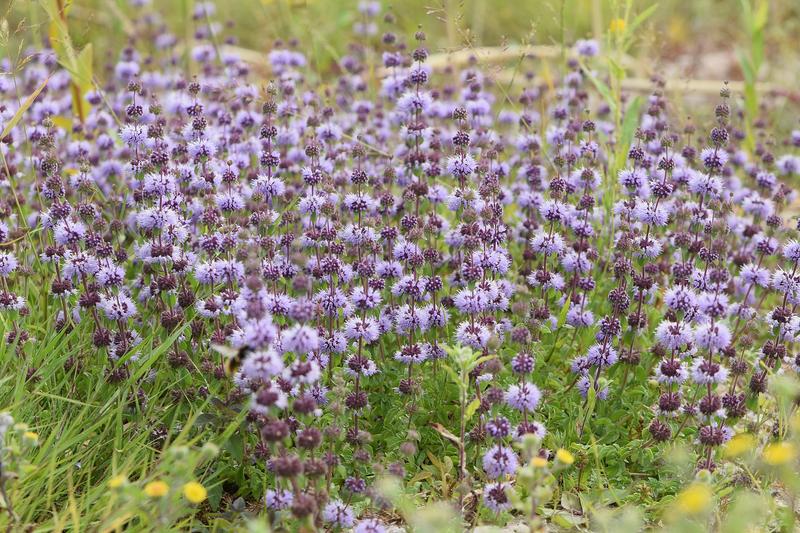
Quick facts
- Watering
- Twice weekly in dry spells
- Sunlight
- Full sun to partial shade
- Soil
- Moist, moderately fertile loam
- Humans
- Toxic
- Cats
- Toxic
- Dogs
- Toxic
- Height
- 10–30 cm
- Spread
- 30–60 cm
- Spacing
- 30–45 cm apart
About Pennyroyal
Pennyroyal is a low-growing, mat-forming perennial mint native to Europe and western Asia, with small oval leaves and whorls of lilac flowers in summer. Traditionally grown in British herb gardens for its strong peppermint scent, it was once used to repel fleas and as a strewing herb in medieval times. UK gardeners today value it as ground cover in damp areas, around ponds, or between paving stones where its aromatic foliage releases fragrance when trodden. Though part of the mint family, it requires careful handling due to its toxicity when ingested in quantity.
UK fact: Pennyroyal has been cultivated in British monastery gardens since medieval times, where it was known as 'pudding grass' and used to flavour black puddings and stuffings, though this culinary use has now ceased due to safety concerns about the toxic compound pulegone.
Watering Pennyroyal
Keep soil consistently moist, particularly during establishment and through summer dry periods, as pennyroyal naturally grows in damp meadows and stream margins. Water twice weekly during prolonged dry spells, increasing frequency for container-grown plants. In boggy or pond-edge plantings, natural moisture is usually sufficient. Avoid waterlogging in winter, which can cause root rot, though the plant tolerates wetter conditions than most mints.
Sunlight requirements
Pennyroyal thrives in full sun but tolerates partial shade, particularly in southern UK gardens where afternoon shade prevents excessive drying. In northern regions, a sunny south-facing position encourages the best flowering and most aromatic foliage. Avoid deep shade, which causes leggy growth and reduces the plant's characteristic fragrance.
Soil and feeding
Pennyroyal prefers moist, moderately fertile soil that retains moisture without becoming waterlogged. It tolerates a wide pH range from slightly acidic to neutral (pH 6.0-7.5) and grows well in heavier clay soils provided drainage is adequate in winter. Incorporate organic matter such as garden compost before planting to improve moisture retention. The plant thrives in pond margins and bog gardens where consistent moisture is available.
Apply a balanced liquid fertiliser monthly during the growing season from April to August to encourage lush foliage growth. Avoid high-nitrogen feeds, which promote excessive leaf production at the expense of the plant's aromatic oils and can make growth too vigorous and invasive.
Pruning Pennyroyal
Trim back flowering stems after blooming in late summer to maintain compact growth and prevent self-seeding. Cut the entire plant back to ground level in late autumn once foliage begins to die back naturally. Regular trimming throughout the growing season controls spread and encourages fresh, aromatic foliage. Pennyroyal spreads vigorously by creeping stems, so edge containment or root barriers may be necessary to prevent it colonising adjacent areas.
Propagating Pennyroyal
Pennyroyal propagates readily by division in spring or autumn, simply lifting clumps and separating rooted sections to replant elsewhere. Stem cuttings root easily in water or moist compost during the growing season, with nodes producing roots within two weeks. The plant also self-layers naturally where stems touch soil, and these rooted sections can be severed and transplanted. Seed sowing is possible but unnecessary given how easily vegetative methods succeed.
Common problems
Pennyroyal is relatively trouble-free but can suffer from mint rust, appearing as orange pustules on leaf undersides, particularly in humid conditions; remove affected foliage promptly and improve air circulation. Aphids occasionally colonise young shoots in spring and can be controlled with insecticidal soap or by encouraging natural predators. The plant's main issue is invasiveness, spreading aggressively via creeping stems and requiring containment in smaller gardens. Avoid planting near other herbs as it can overwhelm less vigorous species.
Spot a problem with your plant? Photograph the affected area using the Loam app and it will suggest the most likely cause and treatment.
Safety
- Humans
-
Toxic
Pennyroyal contains pulegone, a toxic compound that can cause serious liver and kidney damage if ingested in quantity. The essential oil is particularly dangerous and has caused fatalities. Avoid all internal use; handle with care and wash hands after contact.
- Cats
-
Toxic
Toxic to cats, causing vomiting, diarrhoea, liver damage, and potentially fatal poisoning if ingested. Keep cats away from this plant and seek veterinary attention immediately if consumption is suspected.
- Dogs
-
Toxic
Toxic to dogs, causing vomiting, diarrhoea, abdominal pain, and liver damage if consumed. The essential oil is particularly dangerous. Seek immediate veterinary care if ingestion occurs.
Toxicity information is for general guidance only. If a person or pet has been exposed to this plant and you are concerned, seek advice from a medical professional or vet.
Seasonal care calendar
Monthly care guide for Pennyroyal in the UK, based on average conditions.
| Month | Care tasks |
|---|---|
| January | No action needed; plant is fully dormant with no visible growth above ground. |
| February | No action needed; remains dormant though roots are alive beneath the soil surface. |
| March | Watch for new shoots emerging from the base. Divide established clumps if required for propagation or containment. |
| April | Apply balanced liquid fertiliser as growth accelerates. Plant out new divisions or rooted cuttings. Water during dry spells. |
| May | Continue regular watering to maintain moist soil. Trim back spreading stems to control growth. Begin monthly feeding regime. |
| June | Monitor for aphids on young growth. Water twice weekly in dry weather. Flowers begin to appear towards month end. |
| July | Peak flowering period with lilac blooms attractive to pollinators. Continue watering and monthly feeding. Take stem cuttings for propagation. |
| August | Trim back after flowering to prevent self-seeding and maintain compact form. Continue watering during dry spells. Final monthly feed. |
| September | Divide congested clumps if needed. Reduce watering as growth slows. Remove any diseased or damaged foliage. |
| October | Cut back dying foliage to ground level once it yellows. Clear away debris to prevent overwintering pests and diseases. |
| November | Ensure area is clear of dead material. No further action required as plant enters full dormancy. |
| December | No action needed; plant is dormant and fully hardy through winter frosts. |
Frequently asked questions
- Is pennyroyal safe to use as a culinary herb?
- No, pennyroyal should not be used in cooking or consumed internally due to its toxic compound pulegone, which can cause serious liver and kidney damage. Though historically used to flavour puddings, this practice has ceased due to well-documented safety concerns. Grow it purely as an ornamental ground cover or for its insect-repelling properties in the garden.
- How can I stop my pennyroyal from taking over the garden?
- Pennyroyal spreads aggressively via creeping stems and requires active containment through regular trimming of spreading runners, installing root barriers, or growing in sunken containers. The Loam app can send you monthly reminders to check and trim back growth, helping you stay on top of this vigorous spreader before it colonises adjacent beds.
- Does pennyroyal really repel fleas and insects?
- Pennyroyal has a traditional reputation as an insect repellent due to its strong peppermint scent containing pulegone, and some gardeners plant it near doorways or patios to deter flies and mosquitoes. However, scientific evidence for its effectiveness is limited, and the plant should never be applied directly to pets as a flea treatment due to its toxicity.
Got a question about growing Pennyroyal that isn't covered here? Ask the Garden Advisor in the Loam app. It knows your saved plants and local conditions.
Related plants
This page was compiled with AI assistance and reviewed by our team. .