Ox-eye Daisy
Leucanthemum vulgare
Wildflowers and Natives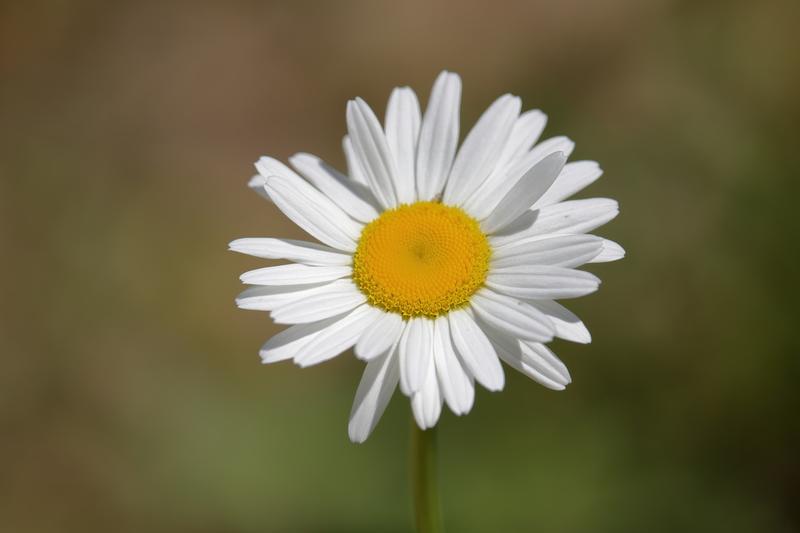
Quick facts
- Watering
- Minimal once established
- Sunlight
- Full sun to partial shade
- Soil
- Well-drained, moderately fertile
- Humans
- Safe
- Cats
- Safe
- Dogs
- Safe
- Height
- 30–90 cm
- Spread
- 30–60 cm
- Spacing
- 30–45 cm apart
About Ox-eye Daisy
Ox-eye Daisy is a cheerful British native wildflower bearing classic white petals surrounding bright yellow centres from late spring through summer. Growing 30–90 cm tall, this hardy perennial thrives in meadows, roadside verges, and cottage gardens across the UK. Gardeners value it for naturalising in wildflower meadows, attracting pollinators including bees and butterflies, and providing long-lasting cut flowers. Its vigorous, spreading habit makes it ideal for informal planting schemes and wildlife-friendly gardens.
UK fact: Ox-eye Daisy has been a cherished part of the British countryside for centuries and is one of the traditional flowers used in midsummer celebrations, particularly around the summer solstice when it reaches peak bloom across UK meadows.
Watering Ox-eye Daisy
Ox-eye Daisy is exceptionally drought-tolerant once established and typically requires no supplementary watering in most UK gardens, relying entirely on natural rainfall. Water newly planted specimens weekly during their first growing season to encourage deep root development. During prolonged dry spells in summer, established plants may wilt slightly but recover quickly with rain. Avoid overwatering, as this native wildflower thrives in relatively dry conditions and can suffer from root rot in waterlogged soil.
Sunlight requirements
Ox-eye Daisy performs best in full sun, producing the most prolific flowering when receiving at least six hours of direct sunlight daily. It tolerates partial shade, particularly in hotter southern UK gardens, though flowering may be reduced. In north-facing borders or beneath light tree canopies, plants become leggier and produce fewer blooms.
Soil and feeding
Ox-eye Daisy thrives in well-drained soils of average fertility and actually performs better in leaner conditions than in rich, heavily amended ground. It tolerates a wide pH range from slightly acidic to alkaline (pH 6.0–8.0), making it suitable for most UK garden soils including chalk and limestone. Avoid overly rich or moisture-retentive soils, which encourage excessive foliage growth at the expense of flowers and can make plants floppy. Sandy loams and gravelly soils are ideal, mimicking the plant's natural habitat in meadows and roadside verges.
Ox-eye Daisy requires minimal feeding and actually flowers more profusely in nutrient-poor conditions. Avoid fertilising established plants, as excess nitrogen promotes lush foliage and weak, floppy stems with reduced flowering. In wildflower meadows, the traditional late-summer cut and removal of clippings naturally reduces soil fertility, which suits this species perfectly.
Pruning Ox-eye Daisy
Deadhead spent flowers regularly throughout summer to prolong blooming and prevent excessive self-seeding if you wish to control spread. Cut back the entire plant to basal foliage in late autumn once flowering has finished and stems have died back, or leave seedheads standing through winter to provide food for finches and other birds. In wildflower meadows, mow or cut back in late summer (August/September) after seeds have dispersed, removing clippings to reduce soil fertility. Divide congested clumps every 3–4 years in spring or autumn to maintain vigour.
Propagating Ox-eye Daisy
Ox-eye Daisy propagates readily from seed sown directly outdoors in spring (March–May) or autumn (September–October), requiring no special treatment as seeds germinate freely in disturbed soil. Scatter seeds onto prepared ground, rake in lightly, and keep moist until germination occurs in 2–3 weeks. Established clumps can be divided in spring or autumn by lifting plants and separating rooted sections, replanting immediately at the same depth. The species self-seeds enthusiastically in favourable conditions, often appearing in gravel paths and between paving stones.
Common problems
Ox-eye Daisy is largely trouble-free and resistant to most pests and diseases common in UK gardens. Aphids occasionally colonise young shoots and flower buds in spring but rarely cause significant damage and attract beneficial predatory insects. In very wet conditions or heavy clay soils with poor drainage, plants may develop root rot or crown rot, causing yellowing foliage and collapse. The main issue for gardeners is controlling vigorous self-seeding and rhizomatous spread, which can become invasive in borders; deadhead regularly and remove unwanted seedlings promptly to prevent it overwhelming less robust neighbours.
Spot a problem with your plant? Photograph the affected area using the Loam app and it will suggest the most likely cause and treatment.
Safety
- Humans
- Safe
- Cats
- Safe
- Dogs
- Safe
Toxicity information is for general guidance only.
Seasonal care calendar
Monthly care guide for Ox-eye Daisy in the UK, based on average conditions.
| Month | Care tasks |
|---|---|
| January | No action needed; plants fully dormant. |
| February | No action needed; basal rosettes may begin emerging in mild spells. |
| March | Sow seeds directly outdoors. Divide established clumps. Clear away old stems if not done in autumn. |
| April | Continue sowing seeds. Thin seedlings to 30–45 cm spacing. Watch for aphids on emerging growth. |
| May | First flowers begin opening. Stake tall plants in exposed positions if needed. |
| June | Peak flowering period. Deadhead spent blooms to prolong display. Cut flowers for indoor arrangements. |
| July | Continue deadheading. Allow some flowers to set seed if naturalising is desired. |
| August | Flowering continues. In meadows, cut back after seeds ripen and remove clippings. Collect ripe seed for sowing. |
| September | Sow fresh seed outdoors. Divide congested clumps. Late flowers may still appear. |
| October | Cut back faded stems to ground level, or leave seedheads for birds through winter. |
| November | Finish cutting back if desired. Tidy borders and remove excess seedlings. |
| December | No action needed; plants dormant. |
Frequently asked questions
- Is Ox-eye Daisy invasive in UK gardens?
- Ox-eye Daisy can spread vigorously through self-seeding and creeping rhizomes, but it's not classified as invasive in the UK. In wildflower meadows and informal areas, this spreading habit is desirable, but in formal borders, deadhead regularly and remove unwanted seedlings to control it. Divide clumps every few years to prevent them becoming too dominant.
- Why isn't my Ox-eye Daisy flowering well?
- Poor flowering usually results from too much shade, overly rich soil, or excessive nitrogen fertiliser, which promotes leafy growth instead of blooms. The Loam app can help diagnose your specific growing conditions and provide personalised advice on improving flowering, including sunlight assessment and soil recommendations tailored to your garden.
- Can I grow Ox-eye Daisy in a wildflower meadow?
- Absolutely—Ox-eye Daisy is one of the best native wildflowers for UK meadows, providing long-lasting summer colour and attracting numerous pollinators. Sow seed in spring or autumn into prepared ground with low fertility, and manage with a late-summer cut after seeds have dispersed. It establishes quickly and competes well with grasses in traditional meadow mixes.
Got a question about growing Ox-eye Daisy that isn't covered here? Ask the Garden Advisor in the Loam app. It knows your saved plants and local conditions.
Related plants
This page was compiled with AI assistance and reviewed by our team. .