Osmanthus
Osmanthus × burkwoodii
Shrubs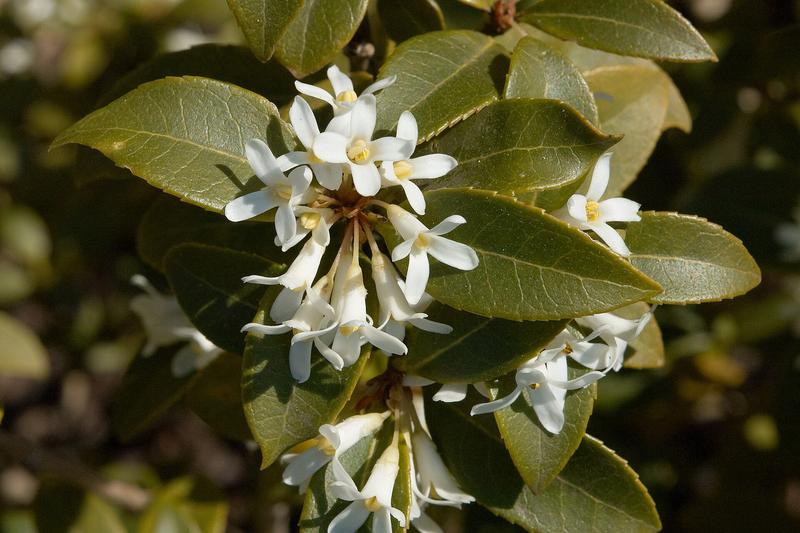
Quick facts
- Watering
- Weekly when young, fortnightly established
- Sunlight
- Full sun to partial shade
- Soil
- Well-drained, fertile, slightly acidic
- Humans
- Unknown
- Cats
- Unknown
- Dogs
- Unknown
- Height
- 200–300 cm
- Spread
- 200–300 cm
- Spacing
- 150–200 cm apart
- RHS recognition
- Award of Garden Merit
About Osmanthus
Osmanthus × burkwoodii is a compact evergreen shrub prized for its intensely fragrant white flowers that appear in spring. This hybrid combines the hardiness of O. delavayi with the vigour of O. decorus, making it ideally suited to British gardens. Its glossy, dark green foliage provides year-round structure whilst the sweetly scented blooms perfume the garden from April to May. UK gardeners value it as a low-maintenance hedging plant or specimen shrub that thrives in our temperate climate.
UK fact: Osmanthus × burkwoodii holds the RHS Award of Garden Merit and was originally raised at Burkwood & Skipwith nursery in Kingston upon Thames in the 1930s, making it a truly British hybrid that has proven its worth in UK gardens for nearly a century.
Watering Osmanthus
Young plants require weekly watering from April to September, particularly during dry periods typical of British summers. Once established after two years, osmanthus is remarkably drought-tolerant and only needs watering fortnightly during extended dry spells. In typical UK rainfall conditions, established plants rarely need supplementary watering except in very free-draining soils or during exceptional droughts. Avoid waterlogging in winter as this can lead to root rot, particularly in heavy clay soils.
Sunlight requirements
Plant in full sun for the best flowering display, though it will tolerate partial shade particularly in southern UK gardens where some afternoon shade prevents leaf scorch. In northern regions, a south or west-facing position maximises warmth and light. Avoid deep shade under large trees as this significantly reduces the fragrant spring blooms that make this shrub so desirable.
Soil and feeding
This adaptable shrub thrives in well-drained, humus-rich soil with a pH between 5.5 and 7.0, making it suitable for most British gardens. It tolerates clay soils provided drainage is adequate, and performs well in sandy loams when enriched with organic matter. Improve heavy clay by incorporating grit and well-rotted compost before planting to prevent winter waterlogging. Avoid extremely alkaline soils above pH 7.5 as this can cause chlorosis, though osmanthus is more lime-tolerant than many ericaceous plants.
Feed established plants in March with a general-purpose slow-release fertiliser such as blood, fish and bone at 70g per square metre. Apply a 5-7cm mulch of well-rotted garden compost or leaf mould around the base in spring to suppress weeds, retain moisture and provide gentle nutrition as it breaks down. Avoid high-nitrogen feeds after July as this encourages soft growth vulnerable to frost damage.
Pruning Osmanthus
The best time to prune is immediately after flowering in late May or early June, allowing the plant to produce next year's flower buds on new growth. Light trimming to shape is usually sufficient, removing any wayward shoots and maintaining a balanced form. For hedges, clip once after flowering to keep them neat and dense. Osmanthus responds well to hard renovation pruning if plants become leggy or overgrown, cutting back to 30-45cm in late spring, though this sacrifices one season's flowers.
Propagating Osmanthus
Semi-ripe cuttings taken in mid to late summer offer the most reliable propagation method for osmanthus. Take 10-15cm cuttings from the current season's growth when the base has started to firm up but the tip is still soft, typically from July to August. Cuttings root within 8-12 weeks in a propagator with gentle bottom heat of 18-21°C. Layering is also successful, pegging down low branches in autumn and severing them the following year once rooted.
Common problems
Osmanthus is generally pest and disease-free in UK gardens, making it a low-maintenance choice. Occasionally, scale insects may appear on stems and leaf undersides, particularly on plants grown against warm walls; treat with horticultural soap or biological controls in summer. Leaf spot fungi can occur in very wet conditions but rarely cause serious harm; improve air circulation and avoid overhead watering. Chlorosis (yellowing leaves) may develop in very alkaline soils above pH 7.5; apply sequestered iron and mulch with ericaceous compost to acidify the soil gradually.
Spot a problem with your plant? Photograph the affected area using the Loam app and it will suggest the most likely cause and treatment.
Safety
- Humans
-
Unknown
No significant toxicity data available for Osmanthus × burkwoodii, though it is not commonly reported as poisonous. Avoid ingestion as a precaution.
- Cats
-
Unknown
No specific toxicity data available for cats. Not listed as toxic by major veterinary databases, but monitor pets and contact a vet if ingestion occurs.
- Dogs
-
Unknown
No specific toxicity data available for dogs. Not listed as toxic by major veterinary databases, but monitor pets and contact a vet if ingestion occurs.
Toxicity information is for general guidance only. If a person or pet has been exposed to this plant and you are concerned, seek advice from a medical professional or vet.
Seasonal care calendar
Monthly care guide for Osmanthus in the UK, based on average conditions.
| Month | Care tasks |
|---|---|
| January | No action needed. Check established plants after severe frost for any wind-rock and firm soil around roots if necessary. |
| February | Plant bare-root or container-grown specimens during mild spells. Prepare planting sites by incorporating organic matter into the soil. |
| March | Apply slow-release fertiliser around the base and mulch with well-rotted compost. Plant container-grown specimens throughout the month. |
| April | Enjoy the fragrant white flowers that appear from mid-April onwards. Water newly planted specimens weekly if rainfall is insufficient. |
| May | Flowering continues into early May. Prune lightly after flowering finishes to maintain shape and remove any frost-damaged shoots. |
| June | Complete any pruning or hedge trimming by mid-June. Water young plants weekly during dry spells and apply mulch to conserve moisture. |
| July | Take semi-ripe cuttings from mid-July onwards. Continue watering young plants during dry weather. Monitor for scale insects on warm walls. |
| August | Continue taking semi-ripe cuttings until late August. Water established plants during prolonged dry spells, particularly those in containers. |
| September | Reduce watering as autumn rains arrive. Layer low branches by pegging them down and covering with soil for propagation. |
| October | Plant new container-grown specimens. Pot on rooted cuttings from summer into individual pots and move to a cold frame. |
| November | Continue planting during mild, frost-free periods. Clear fallen leaves from around the base to prevent fungal problems developing. |
| December | No action needed. The evergreen foliage provides valuable winter structure and interest in the garden. |
Frequently asked questions
- When should I prune osmanthus?
- Prune osmanthus immediately after flowering in late May or early June. This timing is crucial because flower buds form on the previous year's growth from July onwards, so pruning after June will remove next spring's flowers. For hedges, trim once annually after flowering. Light shaping can be done, but avoid hard pruning into old wood unless renovating the plant. Only remove dead, damaged or crossing branches outside this window.
- Why are the leaves on my osmanthus turning yellow?
- Yellowing leaves (chlorosis) usually indicates iron deficiency caused by alkaline soil with pH above 7.5, or waterlogged conditions preventing nutrient uptake. Test your soil pH and apply sequestered iron if alkaline. Improve drainage in heavy soils by incorporating grit and organic matter, and avoid overwatering, particularly in winter. The Loam app can help diagnose leaf problems through photo analysis and provide personalised care advice based on your soil conditions.
- How do I propagate osmanthus from cuttings?
- Take semi-ripe cuttings in July or August when new growth has begun to firm up. Select healthy, non-flowering shoots 10-15cm long, remove lower leaves and dip the cut end in hormone rooting powder. Insert into pots of gritty, peat-free compost (50:50 compost and perlite or sharp sand). Cover with a clear plastic bag or place in a propagator, keeping in a shaded cold frame. Cuttings should root within 8-12 weeks. Pot on individually the following spring.
Got a question about growing Osmanthus that isn't covered here? Ask the Garden Advisor in the Loam app. It knows your saved plants and local conditions.
Related plants
This page was compiled with AI assistance and reviewed by our team. .