Daphne
Daphne odora
Shrubs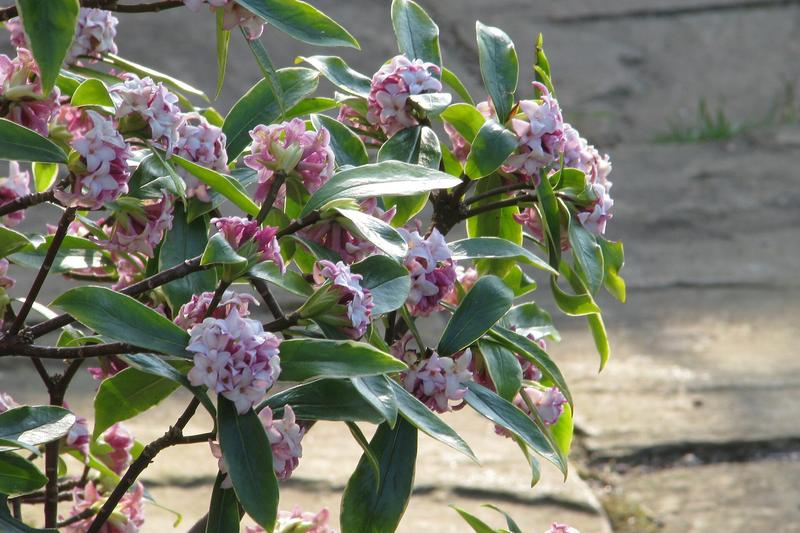
Quick facts
- Watering
- Weekly during dry spells
- Sunlight
- Partial shade
- Soil
- Well-drained, humus-rich, neutral to alkaline
- Humans
- Toxic
- Cats
- Toxic
- Dogs
- Toxic
- Height
- 100–150 cm
- Spread
- 100–150 cm
- Spacing
- 120–150 cm apart
- RHS recognition
- Award of Garden Merit
About Daphne
Daphne odora is a compact evergreen shrub prized for its intensely fragrant pink or white flowers that appear in late winter and early spring. Native to China and Japan, this elegant shrub typically reaches 1–1.5 metres in height with glossy, dark green foliage that provides year-round interest. UK gardeners cherish daphnes for their ability to perfume entire gardens during the bleakest months, making them invaluable near doorways, patios, and pathways. The variety 'Aureomarginata', with its cream-edged leaves, is particularly popular in British gardens for its added hardiness and ornamental appeal.
UK fact: Daphne odora 'Aureomarginata' holds the RHS Award of Garden Merit and is notably hardier than the plain green species, making it the preferred choice for British gardeners in colder regions where the species form may struggle during harsh winters.
Watering Daphne
Water regularly during the first two growing seasons to establish a deep root system, particularly during dry spells from spring through autumn. Once established, daphnes are moderately drought-tolerant but perform best with consistent moisture, especially during bud formation in autumn and winter. In the UK, natural rainfall is usually sufficient except during prolonged dry periods, when weekly watering is beneficial. Avoid waterlogging, as daphnes are susceptible to root rot in poorly drained soils.
Sunlight requirements
Daphne odora performs best in partial shade, particularly with protection from hot afternoon sun which can scorch the foliage. In the UK, a north-facing or east-facing position is ideal, or dappled shade beneath deciduous trees. Avoid deep shade which will reduce flowering, and provide shelter from cold, drying winds which can damage the evergreen leaves.
Soil and feeding
Daphne odora thrives in fertile, well-drained soil enriched with organic matter such as leaf mould or well-rotted compost. The ideal pH is neutral to slightly alkaline (pH 6.5–7.5), though it will tolerate mildly acidic conditions. Good drainage is absolutely essential, as waterlogged roots quickly succumb to phytophthora root rot. On heavy clay soils, plant on a slight mound or incorporate plenty of grit and organic matter to improve drainage and aeration.
Apply a balanced slow-release fertiliser such as blood, fish and bone in early spring as growth begins. A light mulch of well-rotted compost or leaf mould around the base in March will provide additional nutrients and help retain moisture. Avoid high-nitrogen feeds which promote soft growth at the expense of flowers.
Pruning Daphne
Daphnes require minimal pruning and resent hard cutting back, which can kill the plant. Remove any dead, damaged, or frost-affected stems in late spring after flowering has finished. Lightly trim to shape if necessary immediately after flowering, but avoid cutting into old wood as daphnes are reluctant to regenerate from bare stems. Never prune in autumn or winter, as this removes the developing flower buds.
Propagating Daphne
Daphne odora can be propagated from semi-ripe cuttings taken in late summer (July to August). Take 7–10 cm cuttings from non-flowering shoots, remove the lower leaves, and dip in hormone rooting powder before inserting into a mix of equal parts peat-free compost and sharp sand. Place in a cold frame or unheated greenhouse and keep just moist; rooting can take 3–6 months. Layering is also successful: peg down a low branch in spring, wound the underside slightly, and cover with soil; roots should form within 12–18 months.
Common problems
Daphnes are susceptible to sudden death syndrome, often caused by phytophthora root rot in poorly drained soils or after root disturbance. Aphids may colonise new growth in spring, causing leaf distortion and sticky honeydew; treat with insecticidal soap if necessary. Leaf spot fungi can occur in damp conditions, causing brown spots on foliage; improve air circulation and avoid overhead watering. Daphnes dislike root disturbance and may decline if transplanted, so choose the planting position carefully from the outset.
Spot a problem with your plant? Photograph the affected area using the Loam app and it will suggest the most likely cause and treatment.
Safety
- Humans
-
Toxic
All parts of Daphne odora are highly toxic if ingested, containing daphnetoxin and mezerein which cause severe burning of the mouth, vomiting, and internal bleeding. The berries are particularly dangerous. Skin contact with sap may cause dermatitis in sensitive individuals.
- Cats
-
Toxic
All parts are toxic to cats, causing oral irritation, drooling, vomiting, and potentially fatal gastrointestinal and cardiac effects if ingested.
- Dogs
-
Toxic
All parts are toxic to dogs, causing severe oral pain, excessive drooling, vomiting, diarrhoea, and potentially fatal complications if consumed in quantity.
Toxicity information is for general guidance only. If a person or pet has been exposed to this plant and you are concerned, seek advice from a medical professional or vet.
Seasonal care calendar
Monthly care guide for Daphne in the UK, based on average conditions.
| Month | Care tasks |
|---|---|
| January | Enjoy the emerging flower buds and early blooms; protect from severe frost with fleece if necessary. |
| February | Peak flowering period; deadhead spent blooms if accessible without damaging stems. |
| March | Apply slow-release fertiliser and mulch with compost; flowering continues into early March. |
| April | Monitor for aphids on new growth; water during dry spells as new leaves develop. |
| May | Lightly trim to shape if needed after flowering finishes; continue watering if dry. |
| June | Water regularly during dry weather, especially for young plants establishing roots. |
| July | Take semi-ripe cuttings for propagation; maintain watering during hot, dry periods. |
| August | Continue taking cuttings early in the month; water established plants during prolonged drought. |
| September | Reduce watering as temperatures cool; flower buds begin forming for next year. |
| October | Avoid disturbing roots or pruning; flower buds developing for winter display. |
| November | No action needed; buds swelling in preparation for winter flowering. |
| December | Flower buds visible and may begin opening in mild spells; protect from harsh winds. |
Frequently asked questions
- Why is my daphne dying suddenly?
- Sudden daphne death is usually caused by phytophthora root rot from waterlogged soil or root disturbance. Daphnes have sensitive roots and dislike being moved or planted too deeply. Ensure excellent drainage, avoid disturbing the root ball, and plant at the same depth as in the pot. Once established, avoid digging around the roots.
- When should I prune my daphne and how much can I cut back?
- Prune daphne lightly immediately after flowering in late spring, removing only dead wood and lightly shaping if needed. Never prune hard or cut into old wood, as daphnes rarely regenerate and may die. The Loam app can send you timely reminders for post-flowering pruning and help diagnose any decline issues.
- Why isn't my daphne flowering?
- Poor flowering is usually due to too much shade, incorrect pruning that removed flower buds, or nutrient deficiency. Ensure your daphne receives at least partial sun, avoid autumn or winter pruning, and feed with a balanced fertiliser in spring. Young plants may take 2–3 years to flower freely.
Got a question about growing Daphne that isn't covered here? Ask the Garden Advisor in the Loam app. It knows your saved plants and local conditions.
Related plants
This page was compiled with AI assistance and reviewed by our team. .