Musk Mallow
Malva moschata
Wildflowers and Natives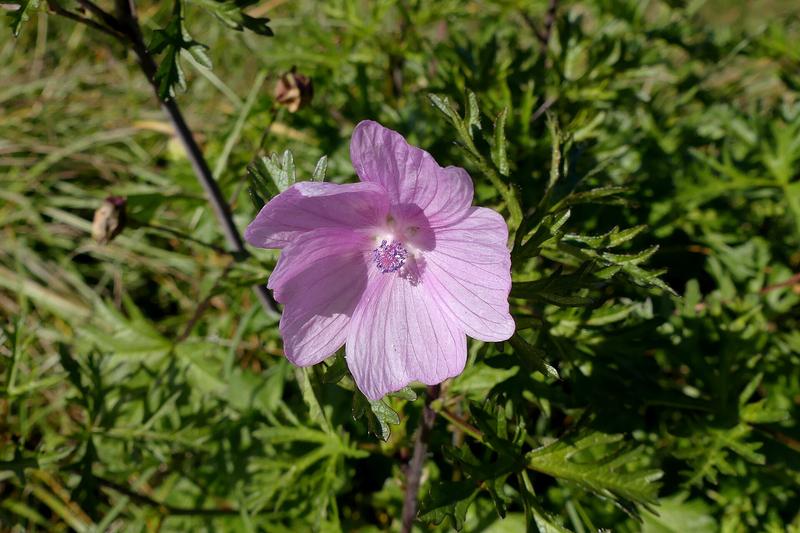
Quick facts
- Watering
- Fortnightly once established
- Sunlight
- Full sun to partial shade
- Soil
- Well-drained, moderately fertile
- Humans
- Safe
- Cats
- Safe
- Dogs
- Safe
- Height
- 60–80 cm
- Spread
- 40–60 cm
- Spacing
- 45–60 cm apart
- RHS recognition
- Award of Garden Merit
About Musk Mallow
Musk Mallow is a charming British native perennial wildflower producing delicate, rose-pink blooms from June to September. Growing 60–80 cm tall with finely divided, ferny foliage, it brings cottage garden appeal and attracts bees, butterflies, and other pollinators. UK gardeners value it for naturalising in meadows, herbaceous borders, and wildlife gardens, where its long flowering season provides nectar well into autumn. Hardy and undemanding, it thrives in most British gardens with minimal intervention.
UK fact: Musk Mallow has been a feature of British meadows and hedgerows for centuries, and its common name derives from the faint musky scent released by the leaves when crushed, though this fragrance is often subtle or absent in modern plants.
Watering Musk Mallow
Water newly planted Musk Mallow weekly during the first growing season to establish a deep root system. Once established, it is remarkably drought-tolerant and typically requires watering only during prolonged dry spells in summer. In average UK conditions, rainfall is usually sufficient, though container-grown plants benefit from fortnightly watering during dry periods. Avoid waterlogging, as this can lead to root rot.
Sunlight requirements
Musk Mallow performs best in full sun, producing the most abundant flowers in open, bright positions. It tolerates partial shade, particularly in southern UK gardens, though flowering may be reduced. In northern regions, choose the sunniest spot available to maximise blooms and encourage strong, upright growth.
Soil and feeding
Musk Mallow thrives in well-drained soil of average fertility, tolerating a wide range from sandy loams to clay soils provided drainage is adequate. It prefers neutral to slightly alkaline conditions (pH 6.5–7.5) and performs well in chalky soils. Avoid overly rich or heavily manured ground, which encourages lush foliage at the expense of flowers. On heavy clay, incorporate grit or organic matter to improve drainage before planting.
Musk Mallow requires little feeding and thrives in lean to moderately fertile soils. A light application of general-purpose fertiliser or well-rotted compost in early spring is sufficient. Avoid excessive nitrogen, which promotes soft, leafy growth prone to flopping and reduces flowering.
Pruning Musk Mallow
Deadhead spent blooms regularly throughout summer to prolong flowering and maintain a tidy appearance. Cut back stems to ground level in late autumn or early spring once foliage has died back. If plants become leggy or floppy by midsummer, trim back by one-third to encourage bushier regrowth and a second flush of flowers. Self-sown seedlings can be removed or transplanted as desired.
Propagating Musk Mallow
Musk Mallow is easily propagated from seed sown in spring or autumn, either directly into the flowering position or in modules for transplanting. Seeds germinate readily without pre-treatment, and plants often self-seed freely in favourable conditions. Division of established clumps in spring or autumn is also successful, though the taproot can make this challenging. Basal cuttings taken in spring provide another reliable method for increasing stock.
Common problems
Musk Mallow is generally trouble-free but can be affected by rust, which appears as orange pustules on leaves, particularly in humid conditions. Remove and destroy affected foliage and ensure good air circulation. Hollyhock rust (Puccinia malvacearum) can also infect plants, as they are in the same family. Aphids may colonise young shoots in spring; control with insecticidal soap or encourage natural predators. In rich soils or shade, plants may become leggy and require staking or trimming back.
Spot a problem with your plant? Photograph the affected area using the Loam app and it will suggest the most likely cause and treatment.
Safety
- Humans
- Safe
- Cats
- Safe
- Dogs
- Safe
Toxicity information is for general guidance only.
Seasonal care calendar
Monthly care guide for Musk Mallow in the UK, based on average conditions.
| Month | Care tasks |
|---|---|
| January | No action needed; plants are dormant. |
| February | Prepare planting sites by weeding and improving drainage if needed. |
| March | Sow seeds under cover or direct outdoors. Cut back old stems if not done in autumn. Apply light compost mulch. |
| April | Plant out module-raised seedlings. Divide established clumps if desired. Water new plantings regularly. |
| May | Continue watering young plants. Watch for aphids on new growth and control as needed. |
| June | Flowering begins. Deadhead regularly to prolong blooms. Water during dry spells. |
| July | Peak flowering period. Continue deadheading. Trim back leggy growth if necessary to encourage bushier habit. |
| August | Maintain deadheading. Water established plants only during prolonged drought. Monitor for rust and remove affected leaves. |
| September | Flowering continues into early autumn. Allow some seedheads to develop if self-seeding is desired. Collect seed for sowing. |
| October | Flowering finishes. Cut back spent stems or leave for winter structure and wildlife. Sow fresh seed outdoors. |
| November | Complete cutting back if preferred. Tidy borders and remove debris to reduce overwintering pests. |
| December | No action needed; plants are dormant. |
Frequently asked questions
- How do I grow Musk Mallow from seed in the UK?
- Sow Musk Mallow seeds in spring (March–April) or autumn (September–October) either directly outdoors or in modules under cover. Seeds germinate readily at 15–18°C without pre-treatment. Transplant module-raised seedlings when large enough to handle, spacing 45–60 cm apart. Plants often self-seed freely once established.
- Why is my Musk Mallow not flowering well?
- Poor flowering is often caused by too much shade, overly rich soil, or lack of deadheading. Ensure plants receive full sun and avoid excessive feeding. The Loam app can help diagnose specific issues based on your garden conditions and provide personalised care reminders to optimise flowering.
- Is Musk Mallow suitable for a wildlife garden?
- Yes, Musk Mallow is excellent for wildlife gardens, attracting bees, hoverflies, butterflies, and other pollinators throughout its long flowering season from June to September. It provides valuable nectar when many other wildflowers have finished blooming, making it ideal for meadows, borders, and naturalistic plantings.
Got a question about growing Musk Mallow that isn't covered here? Ask the Garden Advisor in the Loam app. It knows your saved plants and local conditions.
Related plants
This page was compiled with AI assistance and reviewed by our team. .