Dawn Redwood
Metasequoia glyptostroboides
Trees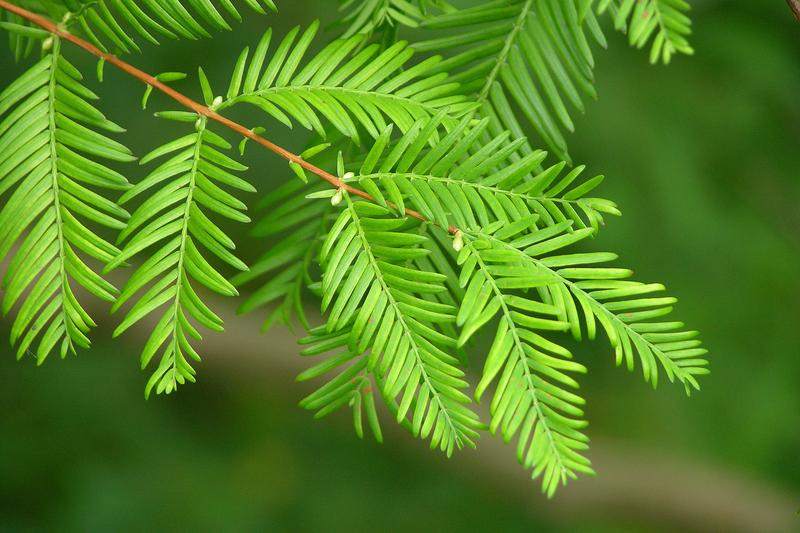
Quick facts
- Watering
- Weekly when young, minimal once established
- Sunlight
- Full sun
- Soil
- Moisture-retentive, slightly acidic
- Humans
- Safe
- Cats
- Safe
- Dogs
- Safe
- Height
- 2000–4000 cm
- Spread
- 500–800 cm
- Spacing
- 800–1000 cm apart
- RHS recognition
- Award of Garden Merit
About Dawn Redwood
Dawn Redwood is a fast-growing, deciduous conifer native to China, once thought extinct until its rediscovery in the 1940s. This elegant tree develops a conical shape with feathery, bright green foliage that turns stunning shades of bronze, russet and gold in autumn before dropping. UK gardeners prize it for its rapid growth, architectural form and remarkable tolerance of wet soils, making it ideal for large gardens, parks and lakeside plantings. Despite its ancient lineage, it adapts remarkably well to British conditions.
UK fact: Dawn Redwood was introduced to Britain in 1948 through seeds collected by the Arnold Arboretum expedition, and several of the original specimens still thrive in UK gardens including Kew Gardens and the Royal Botanic Garden Edinburgh, now reaching over 30 metres tall.
Watering Dawn Redwood
Young trees require regular watering during their first two to three years, particularly during dry spells from April to September. Water deeply once or twice weekly during establishment, ensuring the root zone remains consistently moist but not waterlogged. Once established, Dawn Redwood is remarkably drought-tolerant for short periods, though it performs best with consistent moisture. Mature specimens rarely need supplementary watering in the UK except during prolonged summer droughts.
Sunlight requirements
Dawn Redwood thrives in full sun and requires at least six hours of direct sunlight daily for optimal growth and autumn colour development. In the UK, plant in an open position away from buildings and larger trees that might cast shade. South or west-facing positions are ideal, though the tree tolerates exposed sites well once established.
Soil and feeding
Dawn Redwood prefers deep, fertile, moisture-retentive soils and is one of the few conifers that tolerates wet or waterlogged conditions, making it excellent for pond margins and heavy clay soils. It thrives in slightly acidic to neutral pH (5.5-7.0) but adapts to a range of soil types provided they retain moisture. Incorporate plenty of organic matter such as well-rotted compost or leaf mould when planting to improve soil structure. Avoid very dry, shallow or chalky soils where the tree will struggle to establish.
Apply a balanced slow-release fertiliser such as blood, fish and bone in early spring around the root zone of young trees to encourage vigorous growth. Established trees rarely require feeding if planted in reasonably fertile soil, though a mulch of well-rotted compost or leaf mould each autumn provides beneficial nutrients and helps retain moisture.
Pruning Dawn Redwood
Dawn Redwood requires minimal pruning and naturally develops an attractive conical shape. Remove any dead, damaged or crossing branches in late winter or early spring before new growth begins. Avoid heavy pruning as the tree does not respond well to hard cutting back and may produce unsightly regrowth. If necessary, remove lower branches gradually over several years to create a clear trunk, making cuts flush with the branch collar to promote proper healing.
Propagating Dawn Redwood
Dawn Redwood propagates readily from semi-ripe cuttings taken in late summer (July to August). Take 10-15cm cuttings from the current season's growth, remove lower foliage, and insert into a mix of equal parts peat-free compost and sharp sand. Keep in a cold frame or unheated greenhouse with high humidity until rooted, which typically takes 8-12 weeks. Hardwood cuttings can also be taken in winter and rooted outdoors. Seed propagation is possible but requires stratification and is less reliable for maintaining desirable characteristics.
Common problems
Dawn Redwood is generally pest and disease-free in the UK, making it a low-maintenance choice. Occasionally, aphids may appear on young growth in spring but rarely cause significant damage and can be controlled with a strong jet of water or organic insecticidal soap if necessary. The main cultural problem is planting in unsuitable locations where the tree outgrows its space, as it can reach 30-40 metres in favourable conditions. Chlorosis (yellowing foliage) may occur on very alkaline soils due to nutrient deficiencies, particularly iron and manganese.
Spot a problem with your plant? Photograph the affected area using the Loam app and it will suggest the most likely cause and treatment.
Safety
- Humans
- Safe
- Cats
- Safe
- Dogs
- Safe
Toxicity information is for general guidance only.
Seasonal care calendar
Monthly care guide for Dawn Redwood in the UK, based on average conditions.
| Month | Care tasks |
|---|---|
| January | Tree is dormant and bare. Check stakes and ties on young specimens, adjusting if necessary to prevent damage. |
| February | Prune out any dead, damaged or crossing branches before new growth begins. Apply mulch around the base. |
| March | Apply slow-release fertiliser to young trees. Fresh green foliage begins to emerge from late March onwards. |
| April | Bright green feathery foliage fully emerges. Water young trees regularly if rainfall is insufficient. |
| May | Monitor soil moisture and water young specimens during dry spells. Take softwood cuttings if propagating. |
| June | Continue watering young trees. Foliage is at its lushest. Check for aphids on new growth. |
| July | Take semi-ripe cuttings for propagation. Maintain watering schedule during dry weather. |
| August | Continue taking semi-ripe cuttings. Water young trees if conditions are dry. |
| September | Foliage begins to change colour. Reduce watering frequency as temperatures cool and rainfall increases. |
| October | Enjoy spectacular autumn colour as foliage turns bronze, russet and gold. Needles begin to drop. |
| November | Foliage drops completely, revealing attractive bark. Apply organic mulch around the base. Plant new specimens. |
| December | Tree is fully dormant. Good time to assess structure and plan any necessary pruning for late winter. |
Frequently asked questions
- How fast does Dawn Redwood grow in the UK?
- Dawn Redwood is one of the fastest-growing conifers in the UK, typically adding 60-90cm of height per year in favourable conditions. Young trees can grow even more vigorously, sometimes exceeding 1 metre annually when planted in moisture-retentive soil with full sun. Growth slows somewhat as the tree matures, but it can reach 15-20 metres within 20-25 years.
- Why is my Dawn Redwood turning brown in summer?
- Summer browning usually indicates drought stress, particularly in young trees or those on free-draining soils. Check soil moisture levels and increase watering frequency during dry spells. The Loam app can send you personalised watering reminders based on your local weather conditions and help diagnose other potential causes such as nutrient deficiencies or root problems.
- Can I grow Dawn Redwood in a small garden?
- Dawn Redwood is unsuitable for small gardens as it will ultimately reach 25-40 metres tall with a spread of 5-8 metres. It requires substantial space and is best suited to large gardens, parks or estates. Consider slower-growing alternatives like Taxus baccata (yew) or Juniperus communis 'Hibernica' for smaller spaces if you want an upright conifer.
Got a question about growing Dawn Redwood that isn't covered here? Ask the Garden Advisor in the Loam app. It knows your saved plants and local conditions.
Related plants
This page was compiled with AI assistance and reviewed by our team. .