Eucalyptus
Eucalyptus gunnii
Trees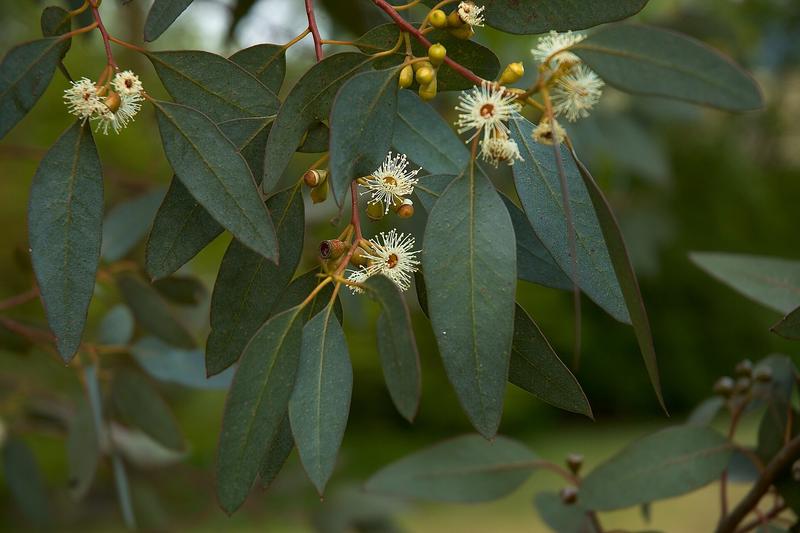
Quick facts
- Watering
- Weekly when young, drought-tolerant established
- Sunlight
- Full sun
- Soil
- Well-drained, neutral to acidic
- Humans
- Toxic
- Cats
- Toxic
- Dogs
- Toxic
- Height
- 400–2000 cm
- Spread
- 300–800 cm
- Spacing
- 500–800 cm apart
- RHS recognition
- Award of Garden Merit
About Eucalyptus
Eucalyptus gunnii, commonly known as cider gum, is a fast-growing evergreen tree native to Tasmania, prized in UK gardens for its attractive silvery-blue juvenile foliage and peeling bark. When grown as a tree it can reach considerable heights, but many British gardeners coppice it annually to maintain a compact shrub form with the desirable rounded juvenile leaves. Its aromatic foliage and architectural form make it a popular choice for contemporary planting schemes and cut foliage production. Hardy in most of the UK, it thrives in sheltered positions and well-drained soils.
UK fact: Eucalyptus gunnii holds the RHS Award of Garden Merit and is the most widely grown eucalyptus in British gardens, having been cultivated here since the Victorian era when plant hunters introduced it as one of the hardiest species for the UK climate.
Watering Eucalyptus
Young eucalyptus require consistent moisture to establish, so water weekly during dry periods in their first and second years. Once established, they are remarkably drought-tolerant and rarely need supplementary watering in the UK climate. During hot, dry summers, container-grown specimens may need watering two to three times weekly. Avoid waterlogging, as eucalyptus are susceptible to root rot in poorly drained conditions.
Sunlight requirements
Plant in a position receiving at least six hours of direct sunlight daily for optimal growth and foliage colour. In the UK, south or west-facing aspects are ideal, providing maximum light and some shelter from cold easterly winds. Young plants are particularly sensitive to shade, which can cause weak, leggy growth and reduced vigour.
Soil and feeding
Plant in neutral to slightly acidic soil (pH 5.5–7.0) with excellent drainage, as eucalyptus will not tolerate waterlogging. They perform well in sandy or loamy soils and can cope with relatively poor, infertile conditions. If your soil is heavy clay, improve drainage by incorporating plenty of horticultural grit and organic matter, or consider planting on a slight mound. Container-grown specimens do well in a mix of John Innes No. 3 with added grit.
In-ground eucalyptus rarely need feeding once established, as they are adapted to poor soils. Container-grown specimens benefit from a light application of balanced slow-release fertiliser in early spring. Avoid high-nitrogen feeds, which can promote soft growth susceptible to frost damage in the UK climate.
Pruning Eucalyptus
For the attractive juvenile foliage, coppice plants hard in late March or early April, cutting all stems back to 15–30 cm from ground level. This encourages vigorous new growth with rounded, silvery leaves. If growing as a tree, prune young plants to establish a clear trunk and remove crossing or damaged branches. Mature trees need minimal pruning beyond removing dead wood. Always prune in spring after the risk of severe frost has passed, as eucalyptus can be slow to recover from winter pruning wounds.
Propagating Eucalyptus
Eucalyptus is most reliably propagated from seed, which germinates readily with warmth. Sow seeds in spring on the surface of moist seed compost in a heated propagator at 18–21°C. Germination typically occurs within 14–21 days. Semi-ripe cuttings can be attempted in late summer, but success rates are low even with rooting hormone and bottom heat, making seed propagation the preferred method for home gardeners.
Common problems
Eucalyptus is generally pest-free in the UK, though young plants may occasionally suffer from aphid infestations in spring. The main disease concern is silver leaf, a fungal infection that can affect stressed or damaged trees, causing die-back and silvering of foliage. Waterlogging is the most common cultural problem, leading to root rot and sudden collapse, particularly on heavy clay soils. In exposed sites, young trees can suffer wind rock, so staking is essential for the first two years.
Spot a problem with your plant? Photograph the affected area using the Loam app and it will suggest the most likely cause and treatment.
Safety
- Humans
-
Toxic
Eucalyptus oil and leaves contain compounds that can be toxic if ingested in quantity, causing nausea, vomiting, and diarrhoea. Handle with care and keep away from children.
- Cats
-
Toxic
Eucalyptus contains essential oils toxic to cats, potentially causing salivation, vomiting, diarrhoea, and depression if ingested. Keep cats away from fallen leaves and prunings.
- Dogs
-
Toxic
Toxic to dogs if ingested, causing salivation, vomiting, diarrhoea, and weakness. The essential oils can also cause skin irritation. Prevent access to leaves and bark.
Toxicity information is for general guidance only. If a person or pet has been exposed to this plant and you are concerned, seek advice from a medical professional or vet.
Seasonal care calendar
Monthly care guide for Eucalyptus in the UK, based on average conditions.
| Month | Care tasks |
|---|---|
| January | Check stakes and ties on young trees after winter gales. Avoid pruning during cold weather. |
| February | Order seeds for spring sowing. Prepare planting sites by improving drainage if necessary. |
| March | Sow seeds under cover in a heated propagator. Coppice established plants in late March for juvenile foliage. |
| April | Complete coppicing by mid-April. Prick out seedlings into individual pots. Apply slow-release fertiliser to container plants. |
| May | Begin hardening off young plants. Plant out container-grown specimens after last frosts. Water newly planted trees weekly. |
| June | Continue watering young plants during dry spells. Monitor for aphids on new growth and treat if necessary. |
| July | Water container-grown plants regularly during hot weather. Enjoy the aromatic foliage at its peak. |
| August | Maintain watering regime for young and container-grown plants. Semi-ripe cuttings can be attempted, though success is limited. |
| September | Reduce watering as temperatures cool. Check stakes and ties before autumn gales arrive. |
| October | Plant container-grown specimens in mild areas. Collect seed from mature trees if desired for spring sowing. |
| November | Protect young plants in exposed sites with fleece during severe weather. Reduce watering significantly. |
| December | No action needed. Avoid root disturbance during winter months. |
Frequently asked questions
- How do I improve drainage for my eucalyptus?
- Eucalyptus requires free-draining soil and cannot tolerate waterlogging. Improve heavy clay soils by incorporating horticultural grit or sharp sand before planting, and consider raising the planting area or creating a mound. For container plants, use a loam-based compost mixed with at least 30% grit, and ensure drainage holes are clear. If your eucalyptus shows signs of stress, checking soil moisture levels is essential.
- Why are the leaves on my eucalyptus turning brown?
- Brown leaves usually indicate waterlogging or poor drainage, which eucalyptus cannot tolerate. Check soil conditions and improve drainage if necessary. Occasionally, browning can result from severe frost damage or wind scorch in exposed positions. The Loam app can help diagnose leaf problems through photo identification and provide personalised care advice based on your specific growing conditions.
- Can I grow eucalyptus from seed in the UK?
- Yes, eucalyptus can be grown from seed sown in spring. Surface-sow seeds on moist, free-draining compost mixed with grit, and keep at 18–20°C. Germination typically occurs within 2–3 weeks. Prick out seedlings when large enough to handle and grow on in individual pots. Harden off gradually before planting out after the last frost, once plants are at least 15 cm tall and well-established.
Got a question about growing Eucalyptus that isn't covered here? Ask the Garden Advisor in the Loam app. It knows your saved plants and local conditions.
Related plants
This page was compiled with AI assistance and reviewed by our team. .