Griselinia
Griselinia littoralis
Shrubs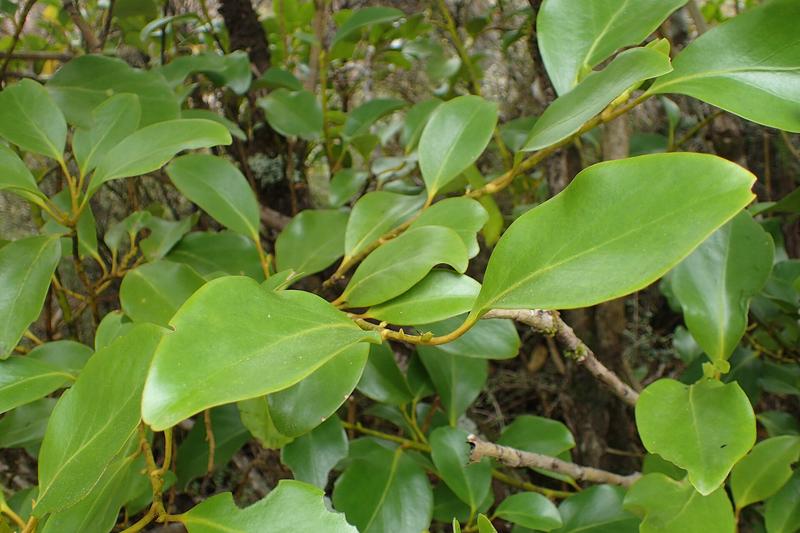
Quick facts
- Watering
- Weekly when young, fortnightly established
- Sunlight
- Full sun to partial shade
- Soil
- Well-drained, fertile, slightly acidic to neutral
- Humans
- Safe
- Cats
- Safe
- Dogs
- Safe
- Height
- 300–500 cm
- Spread
- 200–300 cm
- Spacing
- 60–90 cm apart
- RHS recognition
- Award of Garden Merit
About Griselinia
Griselinia is an evergreen shrub native to New Zealand, prized in UK gardens for its glossy, apple-green leaves and exceptional tolerance of coastal conditions. Growing 3–5 metres tall, it forms a dense, upright habit that makes it ideal for hedging and windbreaks, particularly in seaside locations. Its leathery foliage remains attractive year-round, providing structure and colour even in winter. UK gardeners value Griselinia for its ability to withstand salt spray, strong winds, and pollution, making it a reliable choice for challenging sites.
UK fact: Griselinia littoralis holds the RHS Award of Garden Merit and has become a staple of British coastal gardens, particularly in Cornwall, Devon, and along the south coast, where it thrives in mild maritime climates and provides essential shelter for more tender plants.
Watering Griselinia
Water newly planted Griselinia weekly during the first growing season to establish a strong root system. Once established, plants are moderately drought-tolerant but benefit from watering during prolonged dry spells, particularly in summer. In coastal areas with regular rainfall, established plants rarely need supplementary watering. Container-grown specimens require more frequent watering, especially during warm weather.
Sunlight requirements
Griselinia performs best in full sun, which encourages dense, compact growth and the brightest leaf colour. It tolerates partial shade well, though growth may be slightly more open. In UK gardens, a south- or west-facing position is ideal, though it will succeed on any aspect provided it has good light.
Soil and feeding
Griselinia thrives in well-drained soil and will not tolerate waterlogging, which can lead to root rot. It prefers fertile, moisture-retentive loam but adapts well to sandy or clay soils provided drainage is adequate. The ideal pH range is 6.0–7.0, slightly acidic to neutral. Improve heavy clay soils with organic matter and grit before planting to ensure good drainage.
Apply a balanced slow-release fertiliser in early spring to encourage healthy growth and vibrant foliage. A mulch of well-rotted compost or manure around the base in March provides additional nutrients and helps retain moisture. Avoid high-nitrogen feeds, which can promote soft growth vulnerable to frost damage.
Pruning Griselinia
Prune Griselinia lightly in late spring (May) after the risk of hard frost has passed, removing any frost-damaged or dead growth. For hedges, trim two or three times during the growing season (May, July, and optionally September) to maintain shape and density. Avoid autumn pruning, as new growth may be damaged by winter cold. Griselinia responds well to hard pruning if renovation is needed, cutting back into old wood in late spring.
Propagating Griselinia
Griselinia is easily propagated from semi-ripe cuttings taken in late summer (July to August). Select healthy, non-flowering shoots 10–15 cm long, remove the lower leaves, and insert into pots of gritty compost. Place in a cold frame or sheltered spot and keep moist; cuttings typically root within 8–12 weeks. Alternatively, take hardwood cuttings in autumn and overwinter in a cold frame, potting on the following spring once rooted.
Common problems
Griselinia is generally trouble-free but can suffer leaf spot in wet conditions, causing brown or black spots on foliage; improve air circulation and avoid overhead watering. Frost damage is the most common issue in cold inland areas, causing blackened leaves and dieback; protect young plants with fleece during severe weather. Aphids occasionally colonise new growth in spring but are easily controlled with insecticidal soap or by encouraging natural predators. Root rot can occur in poorly drained soil, so ensure adequate drainage at planting.
Spot a problem with your plant? Photograph the affected area using the Loam app and it will suggest the most likely cause and treatment.
Safety
- Humans
- Safe
- Cats
- Safe
- Dogs
- Safe
Toxicity information is for general guidance only.
Seasonal care calendar
Monthly care guide for Griselinia in the UK, based on average conditions.
| Month | Care tasks |
|---|---|
| January | Protect young plants with fleece during severe frost. Check hedges for wind damage and firm any loosened roots. |
| February | Prepare planting sites by improving drainage and incorporating organic matter. Order plants for spring planting. |
| March | Plant container-grown Griselinia. Apply slow-release fertiliser and mulch around established plants. Remove any frost-damaged growth. |
| April | Water newly planted specimens weekly. Monitor for aphids on new growth and treat if necessary. |
| May | Prune lightly to remove winter damage and shape plants. Give hedges their first trim of the season. Continue watering young plants. |
| June | Water during dry spells, especially newly planted specimens. Take semi-ripe cuttings from mid-month onwards. |
| July | Trim hedges for the second time to maintain shape. Take semi-ripe cuttings. Water container plants regularly. |
| August | Continue taking semi-ripe cuttings. Water during prolonged dry periods. Monitor for leaf spot in humid conditions. |
| September | Give hedges a final light trim if needed. Reduce watering as temperatures cool. Take hardwood cuttings late in the month. |
| October | Plant container-grown specimens in mild areas. Take hardwood cuttings and place in a cold frame. |
| November | Check stakes and ties on young plants. Avoid planting in cold, wet soil; wait until spring in exposed areas. |
| December | Protect young or recently planted Griselinia with fleece during hard frost. No other action needed. |
Frequently asked questions
- Why is my Griselinia turning brown and losing leaves?
- Browning and leaf drop in Griselinia is usually caused by frost damage, waterlogged soil, or root rot. Check drainage and improve it if necessary, and protect plants with fleece during cold snaps. Prune out damaged growth in late spring and the plant should recover.
- How often should I water my Griselinia hedge?
- Water weekly during the first year, then fortnightly once established, increasing frequency during dry spells. The Loam app can send you personalised watering reminders based on your local weather and soil conditions, ensuring your hedge stays healthy.
- Can Griselinia grow in full shade?
- Griselinia tolerates partial shade but will not thrive in full shade, where growth becomes sparse and leggy. For best results, plant in a position that receives at least four hours of direct sunlight daily, ideally in full sun for the densest, most attractive foliage.
Got a question about growing Griselinia that isn't covered here? Ask the Garden Advisor in the Loam app. It knows your saved plants and local conditions.
Related plants
This page was compiled with AI assistance and reviewed by our team. .