Pittosporum
Pittosporum tenuifolium
Shrubs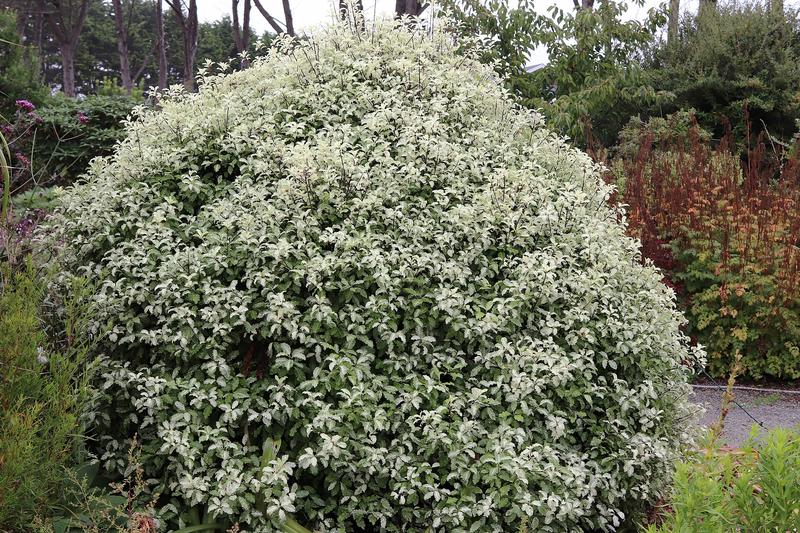
Quick facts
- Watering
- Weekly when young, fortnightly established
- Sunlight
- Full sun to partial shade
- Soil
- Well-drained, moderately fertile loam
- Humans
- Unknown
- Cats
- Unknown
- Dogs
- Unknown
- Height
- 200–400 cm
- Spread
- 100–200 cm
- Spacing
- 100–150 cm apart
- RHS recognition
- Award of Garden Merit
About Pittosporum
Pittosporum is an elegant evergreen shrub native to New Zealand, prized for its glossy, wavy-edged leaves and compact, columnar habit. British gardeners value it for year-round structure in borders, as a hedge, or in containers on patios. The small, dark purple flowers appear in late spring and emit a sweet honey scent in the evening. Its architectural foliage and tolerance of coastal conditions make it a popular choice for contemporary and traditional gardens alike.
UK fact: Several Pittosporum tenuifolium cultivars, including 'Silver Queen' and 'Tom Thumb', have received the RHS Award of Garden Merit for their exceptional performance in British gardens and reliable hardiness in milder regions.
Watering Pittosporum
Young plants require consistent moisture, particularly during dry spells from April to September. Water deeply once or twice weekly in their first summer, ensuring the root ball doesn't dry out. Established pittosporums are moderately drought-tolerant but benefit from watering during prolonged dry periods. Container-grown specimens need regular watering throughout the growing season, as they dry out more quickly than those in the ground.
Sunlight requirements
Plant in a sunny, sheltered spot for the best growth and foliage colour, ideally against a south- or west-facing wall in colder regions. Partial shade is tolerated, particularly in southern England, but may result in slightly looser growth. Variegated forms such as 'Silver Queen' need good light to maintain their distinctive leaf markings.
Soil and feeding
Grow in any moderately fertile, well-drained soil with a pH between 6.0 and 7.5. Heavy clay soils should be improved with grit and organic matter to enhance drainage, as winter waterlogging can cause root rot. Sandy soils benefit from the addition of compost to improve moisture retention. Pittosporum tolerates coastal conditions well and copes with salt-laden winds better than many evergreens.
Feed established plants in March with a general-purpose granular fertiliser such as Growmore or blood, fish and bone. Container-grown pittosporums benefit from a liquid feed every fortnight during the growing season from April to August. Avoid high-nitrogen feeds in autumn, as soft growth is more susceptible to frost damage.
Pruning Pittosporum
Pittosporum requires minimal pruning but responds well to light trimming in May or June to maintain a compact shape. Remove any frost-damaged or dead shoots in April once the risk of hard frost has passed. For hedges, trim twice yearly in late spring and again in late summer. Avoid hard pruning into old wood, as pittosporum is slow to regenerate from bare stems, though it will tolerate moderate renovation if necessary.
Propagating Pittosporum
The most reliable method is semi-ripe cuttings taken in July or August. Select healthy, non-flowering shoots of the current season's growth and root them in a propagator or on a warm windowsill. Hardwood cuttings can be taken in autumn but are slower to establish. Layering is also possible in spring by pegging down low-growing stems, though this method takes 12–18 months to produce rooted plants.
Common problems
Pittosporum is generally trouble-free but can suffer from frost damage in severe winters, particularly on young growth and variegated cultivars. Aphids may colonise soft new shoots in spring, causing distorted growth and sooty mould. In poorly drained soils, root rot caused by Phytophthora can occur, leading to yellowing foliage and dieback. Leaf spot diseases occasionally appear in wet summers but are rarely serious enough to require treatment.
Spot a problem with your plant? Photograph the affected area using the Loam app and it will suggest the most likely cause and treatment.
Safety
- Humans
-
Unknown
No confirmed toxicity data available, but ingestion is not recommended. Handle with care and wash hands after pruning.
- Cats
-
Unknown
No specific toxicity data available for cats. Monitor pets and contact a vet if ingestion occurs.
- Dogs
-
Unknown
No specific toxicity data available for dogs. Monitor pets and contact a vet if ingestion occurs.
Toxicity information is for general guidance only. If a person or pet has been exposed to this plant and you are concerned, seek advice from a medical professional or vet.
Seasonal care calendar
Monthly care guide for Pittosporum in the UK, based on average conditions.
| Month | Care tasks |
|---|---|
| January | Protect young plants and container specimens from hard frost with fleece or move pots to sheltered locations. |
| February | Check for frost damage and remove any broken or damaged stems. Ensure container plants haven't become waterlogged. |
| March | Apply slow-release fertiliser around the base of established plants. Mulch with compost or well-rotted manure. |
| April | Prune out any frost-damaged growth once the risk of hard frost has passed. Plant new specimens in prepared soil. |
| May | Enjoy the fragrant dark purple flowers. Lightly trim to shape after flowering if required. Water young plants regularly. |
| June | Trim hedges to maintain shape. Continue watering during dry spells, particularly container-grown plants. |
| July | Take semi-ripe cuttings for propagation. Feed container plants fortnightly with liquid fertiliser. Water as needed. |
| August | Continue taking semi-ripe cuttings. Trim hedges for the second time if necessary. Maintain watering during dry weather. |
| September | Reduce watering as growth slows. Pot on rooted cuttings into individual containers for overwintering. |
| October | Plant new pittosporums in mild regions. Move tender container specimens to sheltered positions before frosts arrive. |
| November | Protect young plants in exposed gardens with windbreak netting or fleece. Reduce watering of container plants. |
| December | Monitor plants during cold snaps and provide additional protection if temperatures drop below -10°C for prolonged periods. |
Frequently asked questions
- When should I prune my pittosporum hedge?
- Trim pittosporum hedges twice yearly: once in late spring (May or June) after flowering, and again in late summer (August). Avoid autumn pruning, as soft new growth is vulnerable to frost damage.
- How do I know if my pittosporum is getting too much or too little water?
- Overwatering causes yellowing leaves and waterlogged soil, whilst underwatering leads to leaf scorch and browning, especially in containers. Check soil moisture regularly—it should be moist but not sodden. The Loam app can help you set personalised watering reminders based on your plant's location and pot size, and diagnose specific symptoms if problems arise.
- Can I grow pittosporum from cuttings?
- Yes, pittosporum propagates well from semi-ripe cuttings taken in late summer (July to September). Take 10–15 cm cuttings from healthy side shoots, remove lower leaves, and insert into gritty compost. Keep in a sheltered spot or cold frame—roots should develop by spring. Rooting hormone increases success rates.
Got a question about growing Pittosporum that isn't covered here? Ask the Garden Advisor in the Loam app. It knows your saved plants and local conditions.
Related plants
This page was compiled with AI assistance and reviewed by our team. .