Euonymus
Euonymus fortunei
Shrubs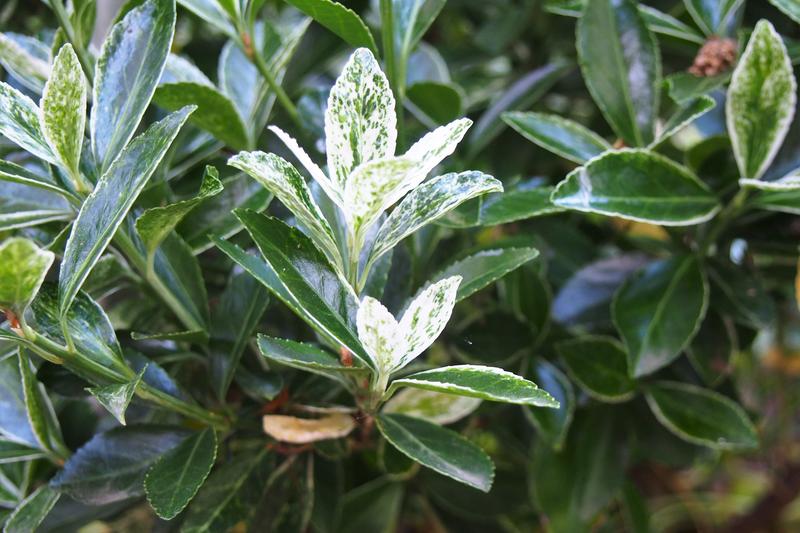
Quick facts
- Watering
- Weekly when establishing
- Sunlight
- Full sun to partial shade
- Soil
- Well-drained, moderately fertile
- Humans
- Toxic
- Cats
- Toxic
- Dogs
- Toxic
- Height
- 30–150 cm
- Spread
- 60–120 cm
- Spacing
- 45–60 cm apart
- RHS recognition
- Award of Garden Merit
About Euonymus
Euonymus fortunei is a versatile evergreen shrub native to China, Korea and Japan, prized in UK gardens for its glossy, often variegated foliage and exceptional hardiness. This low-growing or climbing plant offers year-round interest with cultivars displaying green, gold, silver or pink-tinged leaves that often intensify in winter. British gardeners value it as reliable ground cover, for edging borders, or trained against walls where it provides structure and colour even in the depths of winter. Its adaptability to shade and tolerance of urban pollution make it particularly popular in town gardens across the UK.
UK fact: Many Euonymus fortunei cultivars hold the RHS Award of Garden Merit, with 'Emerald 'n' Gold' and 'Silver Queen' being especially popular in British gardens since the 1980s for their reliable performance in our maritime climate.
Watering Euonymus
Water newly planted euonymus weekly during dry weather for the first year, ensuring the root ball doesn't dry out completely. Once established, these drought-tolerant shrubs rarely need supplementary watering in the UK except during extended summer droughts. Container-grown specimens require more frequent watering, particularly in summer, checking the compost every few days. Avoid waterlogging, which can lead to root rot, especially in heavy clay soils.
Sunlight requirements
Position in full sun to partial shade, with variegated forms producing more vibrant colouration in sunnier spots. In the UK, east or west-facing positions work particularly well, whilst north-facing walls are suitable for green-leaved varieties. Avoid deep shade under dense tree canopies, which can cause leggy growth and reduced variegation.
Soil and feeding
Grow in any moderately fertile, well-drained soil with a pH range of 6.0–8.0, making it suitable for most UK gardens. It tolerates clay soils if drainage is improved with organic matter or grit, and performs well in chalky or sandy soils. For container cultivation, use a loam-based compost such as John Innes No. 2 or No. 3. Avoid permanently waterlogged or extremely poor, dry soils where growth will be stunted.
Feed established plants in March with a general-purpose granular fertiliser such as Growmore or blood, fish and bone, scattering around the base and watering in. Container-grown euonymus benefit from a liquid feed every fortnight during the growing season from April to August. Avoid high-nitrogen feeds which can reduce variegation in coloured-leaf cultivars.
Pruning Euonymus
Trim lightly in May or June to control size and encourage bushy growth, cutting back to just above a leaf joint. Remove any all-green reverted shoots on variegated cultivars as soon as they appear, cutting back to variegated growth to prevent them dominating. Euonymus tolerates hard pruning if renovation is needed, responding well to being cut back to 15–30 cm in April. When grown as ground cover, shear over lightly in spring to keep plants compact and tidy.
Propagating Euonymus
Take 8–10 cm semi-ripe cuttings from non-flowering shoots in July or August, selecting healthy side shoots with a heel if possible. Root in a mix of equal parts peat-free compost and sharp sand or perlite, keeping in a cold frame or sheltered spot outdoors. Cuttings typically root within 6–8 weeks and can be potted individually the following spring. Layering is also successful: peg low-growing stems to the soil in autumn and sever from the parent plant once rooted the following year.
Common problems
Euonymus is generally trouble-free but can be severely affected by euonymus scale, a sap-sucking insect that appears as white or brown encrustations on stems and leaves, causing yellowing and dieback. Powdery mildew may occur in dry conditions, particularly on plants in poor air circulation. Aphids occasionally colonise new growth in spring, and leaf spot fungi can cause brown markings on foliage in wet seasons. Variegated cultivars may produce all-green reverted shoots which should be removed promptly to prevent them taking over.
Spot a problem with your plant? Photograph the affected area using the Loam app and it will suggest the most likely cause and treatment.
Safety
- Humans
-
Toxic
All parts of Euonymus fortunei are toxic if ingested, causing nausea, vomiting and diarrhoea. Wear gloves when pruning as sap may cause skin irritation in sensitive individuals.
- Cats
-
Toxic
Toxic to cats if ingested, causing vomiting, diarrhoea and abdominal pain. Keep cats away from prunings and fallen leaves.
- Dogs
-
Toxic
Toxic to dogs if eaten, causing gastrointestinal upset including vomiting and diarrhoea. Seek veterinary advice if ingestion is suspected.
Toxicity information is for general guidance only. If a person or pet has been exposed to this plant and you are concerned, seek advice from a medical professional or vet.
Seasonal care calendar
Monthly care guide for Euonymus in the UK, based on average conditions.
| Month | Care tasks |
|---|---|
| January | Check plants for storm damage and firm in any lifted by frost. Admire winter foliage colour, particularly on cultivars with pink or bronze tints. |
| February | Plan new planting positions and order plants for spring delivery. Remove heavy snow from branches to prevent breakage. |
| March | Plant container-grown specimens and apply slow-release fertiliser around established plants. Begin hard renovation pruning if required. |
| April | Water newly planted euonymus during dry spells. Watch for aphids on new growth and treat if necessary. Pot on rooted cuttings from last year. |
| May | Carry out formative pruning to shape young plants and remove any reverted green shoots on variegated forms. Mulch around plants to conserve moisture. |
| June | Continue light trimming to maintain shape. Water container plants regularly. Monitor for euonymus scale and treat infestations promptly. |
| July | Take semi-ripe cuttings from mid-month onwards. Water during prolonged dry weather, especially newly planted specimens and those in containers. |
| August | Continue taking semi-ripe cuttings until mid-month. Feed container-grown plants for the last time this season. Check for powdery mildew in dry conditions. |
| September | Plant new specimens as soil is still warm. Layer low-growing stems for propagation. Reduce watering as growth slows. |
| October | Continue planting if conditions allow. Collect and dispose of fallen leaves showing signs of leaf spot to reduce disease carryover. |
| November | Protect container-grown plants from severe frost by moving to sheltered positions or wrapping pots with bubble wrap. Observe developing winter colour. |
| December | Enjoy evergreen foliage structure in winter borders. Avoid walking on frozen plants. Check ties on wall-trained specimens. |
Frequently asked questions
- When should I prune euonymus?
- Prune euonymus in late spring after any risk of hard frost has passed, typically April or May. Light trimming can be done throughout the growing season to maintain shape. Always cut back any all-green shoots on variegated varieties immediately whenever you spot them, as these will take over if left. Remove dead, damaged or crossing stems to maintain good structure and air circulation.
- Why is my euonymus looking unhealthy with yellowing leaves?
- Yellowing leaves on euonymus can indicate several issues including waterlogging, nutrient deficiency, or pest problems like scale insects. Check soil drainage first—euonymus dislikes sitting in wet soil. Examine stems closely for white crusty scale insects. The Loam app can help you diagnose the specific problem through photos and provide personalised care advice based on your growing conditions.
- How do I propagate euonymus from cuttings?
- Take semi-ripe cuttings in late summer (July to September). Cut 10–15 cm lengths of current season's growth, remove lower leaves, and dip the cut end in hormone rooting powder. Insert into pots of gritty compost, water well, and cover with a plastic bag or place in a propagator. Keep in a sheltered spot out of direct sun. Cuttings should root within 6–8 weeks.
Got a question about growing Euonymus that isn't covered here? Ask the Garden Advisor in the Loam app. It knows your saved plants and local conditions.
Related plants
This page was compiled with AI assistance and reviewed by our team. .