Japanese Holly
Ilex crenata
Shrubs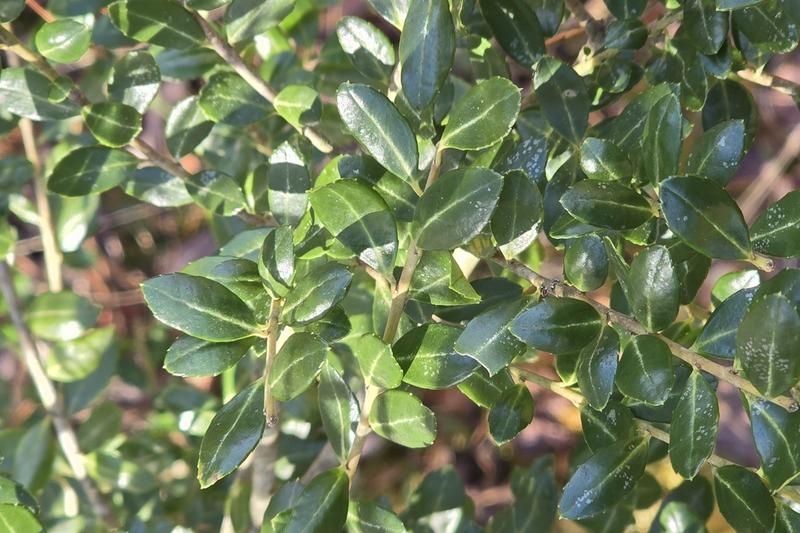
Quick facts
- Watering
- Weekly when young, fortnightly established
- Sunlight
- Full sun to partial shade
- Soil
- Moist, well-drained, acidic to neutral
- Humans
- Toxic
- Cats
- Toxic
- Dogs
- Toxic
- Height
- 100–300 cm
- Spread
- 100–200 cm
- Spacing
- 30–60 cm apart
- RHS recognition
- Award of Garden Merit
About Japanese Holly
Japanese Holly is a compact evergreen shrub native to Japan and East Asia, prized for its small, glossy dark green leaves and dense growth habit. Despite its common name, it more closely resembles box than traditional hollies, with tiny crenate leaves and inconspicuous flowers followed by black berries. UK gardeners value it as an excellent alternative to box, particularly for low hedging, topiary, and formal gardens, as it is resistant to box blight and box tree caterpillar. Its neat, refined appearance and tolerance of clipping make it ideal for structured planting schemes in British gardens.
UK fact: Several Ilex crenata cultivars hold the RHS Award of Garden Merit, and the plant has become increasingly popular in British gardens as a box replacement following the devastating spread of box blight and box tree moth across the UK since 2011.
Watering Japanese Holly
Water newly planted Japanese Holly weekly during the first growing season to establish a strong root system. Once established, plants are reasonably drought-tolerant but perform best with regular watering during dry spells, particularly in summer. In the UK, established plants typically need supplementary watering only during prolonged dry periods, though container-grown specimens require more frequent attention. Apply water at the base rather than overhead to reduce the risk of fungal issues.
Sunlight requirements
Japanese Holly thrives in full sun to partial shade, though it develops the densest growth in good light. In the UK, it performs well in most aspects, though plants in full southern exposure may benefit from some afternoon shade during hot summers. Avoid deep shade, which can lead to sparse, leggy growth and reduced vigour.
Soil and feeding
Japanese Holly prefers moist, well-drained soil that is acidic to neutral (pH 5.0-6.5), though it tolerates slightly alkaline conditions better than many ericaceous plants. Improve heavy clay soils with organic matter and grit to enhance drainage, as waterlogged conditions can lead to root rot. On chalky soils, incorporate ericaceous compost and apply an annual mulch of pine needles or composted bark to maintain acidity. The plant is adaptable to most UK soil types provided drainage is adequate.
Apply a balanced slow-release fertiliser in early spring, or use an ericaceous feed if growing in neutral to alkaline soil. A light top-dressing of well-rotted compost or leaf mould in March provides gentle nutrition and helps maintain soil acidity. Avoid high-nitrogen feeds, which can promote soft growth susceptible to frost damage.
Pruning Japanese Holly
Prune Japanese Holly in late spring or early summer after the risk of hard frost has passed, as new growth emerges readily from old wood. For hedges and topiary, clip two or three times during the growing season (May to August) to maintain shape and encourage dense growth. The plant responds well to hard pruning if renovation is needed, though it's best to stagger severe cuts over two to three years. Remove any dead, damaged, or crossing branches in late winter to maintain good structure and air circulation.
Propagating Japanese Holly
Japanese Holly is most easily propagated from semi-ripe cuttings taken in late summer (July to September). Take 7-10cm cuttings from healthy, non-flowering shoots, remove the lower leaves, and insert into a mix of equal parts peat-free compost and sharp sand or perlite. Place in a cold frame or unheated greenhouse, keeping the compost moist but not waterlogged. Cuttings typically root within 8-12 weeks and can be potted on the following spring. Hardwood cuttings taken in late autumn are also successful, though they take longer to root.
Common problems
Japanese Holly is generally trouble-free and notably resistant to box blight and box tree caterpillar, making it an excellent alternative to Buxus. Occasional problems include leaf spot diseases in wet conditions, which can be minimised by ensuring good air circulation and avoiding overhead watering. Phytophthora root rot may occur in poorly drained soils, causing wilting and dieback. Scale insects and aphids occasionally affect plants, particularly those under stress, but are easily controlled with horticultural soap or organic treatments. Yellowing leaves may indicate iron deficiency (chlorosis) on alkaline soils, remedied with sequestered iron or ericaceous feed.
Spot a problem with your plant? Photograph the affected area using the Loam app and it will suggest the most likely cause and treatment.
Safety
- Humans
-
Toxic
All parts of Japanese Holly are toxic if ingested, containing saponins and other compounds that can cause nausea, vomiting, and diarrhoea. The black berries are particularly attractive to children but should not be eaten.
- Cats
-
Toxic
Toxic to cats if ingested, causing vomiting, diarrhoea, and drooling. The berries and leaves contain irritant compounds.
- Dogs
-
Toxic
Toxic to dogs if ingested, causing vomiting, diarrhoea, and abdominal pain. The berries are particularly toxic and should be kept away from pets.
Toxicity information is for general guidance only. If a person or pet has been exposed to this plant and you are concerned, seek advice from a medical professional or vet.
Seasonal care calendar
Monthly care guide for Japanese Holly in the UK, based on average conditions.
| Month | Care tasks |
|---|---|
| January | No action needed; plant is dormant but evergreen foliage provides winter structure. |
| February | Check plants for winter damage and remove any broken branches. |
| March | Apply slow-release fertiliser and mulch with ericaceous compost or composted bark. |
| April | New growth begins; water young plants regularly as growth resumes. |
| May | First trim of hedges and topiary after spring growth flush; inconspicuous flowers appear. |
| June | Continue watering during dry spells; second trim of formal shapes if needed. |
| July | Take semi-ripe cuttings for propagation; maintain watering in hot weather. |
| August | Final trim of hedges and topiary; continue taking semi-ripe cuttings. |
| September | Good month for planting; black berries ripen on female plants. |
| October | Continue planting; reduce watering as growth slows. |
| November | Take hardwood cuttings; clear fallen leaves from around base to prevent fungal issues. |
| December | No action needed; evergreen foliage provides valuable winter interest. |
Frequently asked questions
- Is Japanese Holly a good replacement for box hedging?
- Yes, Japanese Holly is an excellent box replacement, offering similar small evergreen leaves and dense growth that responds well to clipping. Crucially, it is immune to box blight and box tree caterpillar, the two devastating problems affecting Buxus in the UK. It tolerates the same growing conditions and can be used for low hedging, edging, and topiary, though it grows slightly faster than box and may need more frequent trimming.
- Why are the leaves on my Japanese Holly turning yellow?
- Yellowing leaves on Japanese Holly typically indicate iron deficiency (chlorosis), especially on neutral to alkaline soils, or waterlogging issues. The Loam app can help diagnose the specific cause based on your soil type and watering patterns, and provide personalised treatment recommendations including appropriate feeding schedules and drainage improvements.
- How often should I trim Japanese Holly hedging?
- Trim Japanese Holly hedges two to three times during the growing season (May to August) to maintain a neat shape and encourage dense growth. The first trim should be in late May after the spring growth flush, with subsequent trims in mid-summer and late summer if needed. Avoid trimming after August, as new soft growth may be damaged by autumn frosts.
Got a question about growing Japanese Holly that isn't covered here? Ask the Garden Advisor in the Loam app. It knows your saved plants and local conditions.
Related plants
This page was compiled with AI assistance and reviewed by our team. .