Brachyglottis
Brachyglottis 'Sunshine'
Shrubs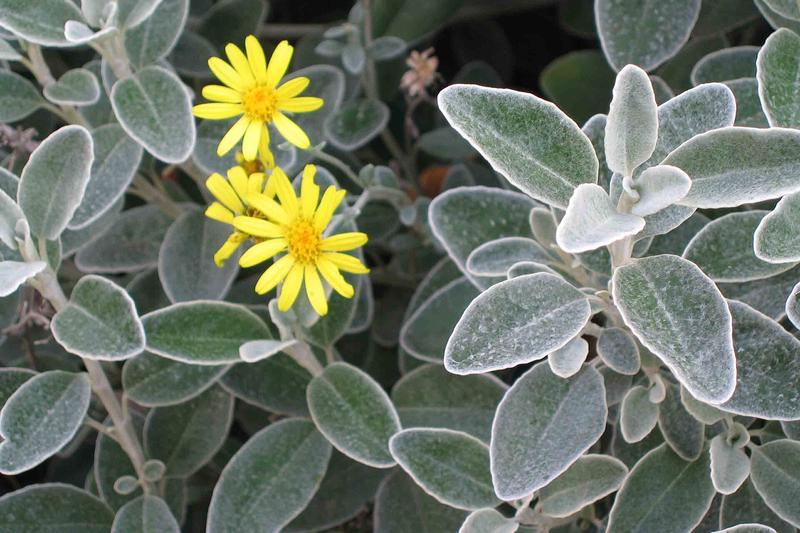
Quick facts
- Watering
- Fortnightly once established
- Sunlight
- Full sun
- Soil
- Well-drained, moderately fertile
- Humans
- Unknown
- Cats
- Unknown
- Dogs
- Unknown
- Height
- 90–120 cm
- Spread
- 120–150 cm
- Spacing
- 100–120 cm apart
- RHS recognition
- Award of Garden Merit
About Brachyglottis
Brachyglottis 'Sunshine' is an evergreen shrub prized for its silvery-grey, felted foliage that brings year-round interest to UK gardens. Originally from New Zealand, this compact shrub produces bright yellow daisy-like flowers in summer, creating a striking contrast against its pewter leaves. UK gardeners value it for coastal planting, mixed borders, and as a low-maintenance foliage plant that thrives in our maritime climate. Its drought tolerance once established and ability to withstand salt-laden winds make it particularly popular in seaside gardens.
UK fact: Brachyglottis 'Sunshine' holds the RHS Award of Garden Merit and performs exceptionally well in British coastal gardens, where it tolerates salt spray better than most ornamental shrubs, making it a staple in seaside planting schemes from Cornwall to the Scottish coast.
Watering Brachyglottis
Water regularly during the first growing season to establish a deep root system, typically weekly in dry spells. Once established, Brachyglottis is remarkably drought-tolerant and requires watering only during prolonged dry periods in summer, roughly every two weeks. In typical UK rainfall conditions, mature plants rarely need supplementary watering except in containers. Avoid overwatering, as this shrub dislikes waterlogged conditions and wet foliage.
Sunlight requirements
Brachyglottis 'Sunshine' requires full sun to develop its best silvery foliage colour and compact habit. In the UK, position in south or west-facing borders where it receives at least six hours of direct sunlight daily. Plants grown in shade become leggy and lose their attractive felted leaf texture.
Soil and feeding
Brachyglottis thrives in well-drained soil and is not fussy about soil type, tolerating sandy, loamy, or even poor soils. It performs best in neutral to slightly alkaline conditions (pH 6.5-7.5) but adapts to mildly acidic soils. Good drainage is essential; improve heavy clay soils by incorporating grit or sharp sand before planting. Avoid rich, moisture-retentive soils which can lead to soft, frost-tender growth.
Apply a balanced slow-release fertiliser in early spring, such as blood, fish and bone or a general-purpose granular feed. Avoid high-nitrogen fertilisers which promote lush growth at the expense of the silvery foliage and can reduce winter hardiness. Container-grown plants benefit from a liquid feed monthly during the growing season.
Pruning Brachyglottis
Prune in mid to late spring after the risk of hard frost has passed, cutting back by one-third to maintain a compact shape and encourage bushy growth. Remove any frost-damaged shoots and trim lightly after flowering in late summer to tidy the plant. Brachyglottis responds well to hard pruning if it becomes leggy, but avoid cutting into old wood in autumn as this can reduce winter hardiness. Deadhead spent flowers to prolong the display and maintain a neat appearance.
Propagating Brachyglottis
Brachyglottis propagates easily from semi-ripe cuttings taken in late summer (July to September). Take 10-15cm cuttings from non-flowering shoots, remove lower leaves, and insert into gritty compost in a cold frame or unheated greenhouse. Cuttings typically root within 6-8 weeks. Alternatively, take softwood cuttings in late spring, though these require more attention to prevent wilting. Pot on rooted cuttings individually and overwinter in a frost-free location before planting out the following spring.
Common problems
Brachyglottis is generally pest and disease-free, making it an excellent low-maintenance choice for UK gardens. Aphids may occasionally colonise young shoots in spring but rarely cause significant damage. The main issue is frost damage to foliage during severe winters, particularly in exposed locations; affected leaves turn brown but plants usually recover with spring pruning. In poorly drained soils, root rot can occur, causing wilting and dieback. Powdery mildew may appear on foliage in humid conditions with poor air circulation, though this is uncommon.
Spot a problem with your plant? Photograph the affected area using the Loam app and it will suggest the most likely cause and treatment.
Safety
- Humans
-
Unknown
No confirmed toxicity data available. As with all plants, avoid ingestion and wash hands after handling.
- Cats
-
Unknown
No confirmed toxicity data available for cats. Monitor pets and contact a vet if ingestion occurs.
- Dogs
-
Unknown
No confirmed toxicity data available for dogs. Monitor pets and contact a vet if ingestion occurs.
Toxicity information is for general guidance only. If a person or pet has been exposed to this plant and you are concerned, seek advice from a medical professional or vet.
Seasonal care calendar
Monthly care guide for Brachyglottis in the UK, based on average conditions.
| Month | Care tasks |
|---|---|
| January | No action needed. Protect from severe frost with fleece if temperatures drop below -10°C. |
| February | Check for frost damage and remove any severely damaged shoots if weather permits. |
| March | Apply slow-release fertiliser around the base. Begin main pruning towards month end in milder regions. |
| April | Complete main pruning, cutting back by one-third to shape. Water newly planted specimens weekly. |
| May | Water during dry spells. Mulch around base to suppress weeds and retain moisture. |
| June | Flower buds begin to form. Continue watering young plants. Take softwood cuttings if propagating. |
| July | Enjoy the bright yellow flowers. Deadhead spent blooms. Take semi-ripe cuttings for propagation. |
| August | Continue deadheading. Take semi-ripe cuttings. Light trim after flowering to maintain shape. |
| September | Final opportunity for semi-ripe cuttings. Reduce watering as growth slows. |
| October | Tidy around base and remove fallen leaves. No pruning now to avoid frost-tender regrowth. |
| November | No action needed. Silvery foliage provides winter interest. |
| December | No action needed. Monitor for severe frost in exposed gardens. |
Frequently asked questions
- When should I prune Brachyglottis 'Sunshine'?
- Prune Brachyglottis in mid to late spring (April to May) after the risk of hard frost has passed. Cut back by one-third to maintain a compact shape and remove any frost-damaged growth. A light trim after flowering in late summer helps keep plants tidy, but avoid hard pruning in autumn as this can reduce winter hardiness.
- Why are the leaves on my Brachyglottis turning brown?
- Brown leaves on Brachyglottis are typically caused by frost damage during winter or waterlogged soil conditions. The Loam app can help you track local frost dates and set reminders for protective measures, plus diagnose whether your soil drainage needs improvement based on your garden's conditions.
- Is Brachyglottis suitable for coastal gardens?
- Yes, Brachyglottis 'Sunshine' is excellent for coastal gardens and tolerates salt spray exceptionally well. Its silvery foliage and compact habit make it ideal for seaside planting schemes, and it thrives in the windy conditions typical of UK coastal locations. Plant in full sun with well-drained soil for best results.
Got a question about growing Brachyglottis that isn't covered here? Ask the Garden Advisor in the Loam app. It knows your saved plants and local conditions.
Related plants
This page was compiled with AI assistance and reviewed by our team. .