Ceanothus
Ceanothus
Shrubs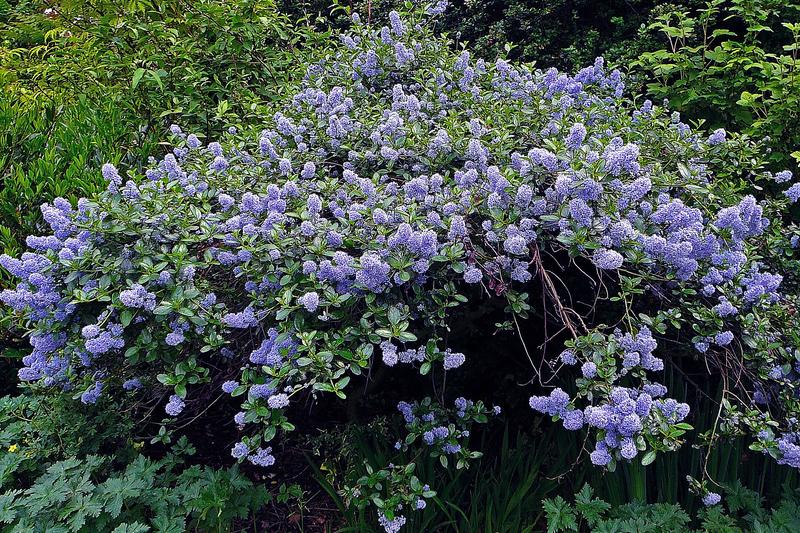
Quick facts
- Watering
- Fortnightly once established
- Sunlight
- Full sun
- Soil
- Well-drained, light, slightly acidic
- Humans
- Unknown
- Cats
- Unknown
- Dogs
- Unknown
- Height
- 100–400 cm
- Spread
- 100–300 cm
- Spacing
- 150–250 cm apart
- RHS recognition
- Award of Garden Merit
About Ceanothus
Ceanothus, commonly known as California lilac, is a stunning evergreen or deciduous shrub prized for its profuse clusters of blue, purple, pink or white flowers that appear in spring and early summer. Native to North America, particularly California, these shrubs have become beloved in UK gardens for their ability to thrive in sunny, well-drained positions and their drought tolerance once established. British gardeners value Ceanothus for adding vibrant colour to borders, training against warm walls, and attracting bees and butterflies. With varieties ranging from compact ground covers to tall wall shrubs, there's a Ceanothus suitable for most garden sizes.
UK fact: Many Ceanothus cultivars hold the RHS Award of Garden Merit, with varieties like 'Concha' and 'Puget Blue' being particularly celebrated for their reliability in British gardens, especially when grown against south or west-facing walls for winter protection.
Watering Ceanothus
Young plants need consistent moisture during their first year, watering weekly during dry weather. Once established, Ceanothus is remarkably drought-tolerant and typically requires watering only during extended summer droughts. Overwatering, particularly in heavy soils, is more problematic than underwatering and can lead to root rot. In the UK, established plants usually receive adequate moisture from rainfall alone, though wall-trained specimens may need occasional summer watering as they're in a rain shadow.
Sunlight requirements
Plant in the sunniest position available, ideally against a south or west-facing wall which provides both maximum light and winter protection. In the UK, Ceanothus grown in shaded positions will produce weak, leggy growth and significantly fewer flowers. The warmth from a sunny wall also helps ripen the wood, improving cold hardiness.
Soil and feeding
The ideal soil is light, sandy or loamy with excellent drainage and a slightly acidic to neutral pH (6.0-7.0). Heavy clay soils are unsuitable unless significantly improved with grit and organic matter to enhance drainage. Ceanothus is sensitive to alkaline conditions and may develop chlorosis (yellowing leaves) on chalky soils. In wet or heavy soils, consider planting on a mound or slope to improve drainage, or grow in a large container with loam-based compost mixed with horticultural grit.
Apply a light dressing of general-purpose fertiliser in early spring, but avoid overfeeding as this encourages lush, frost-tender growth. Ceanothus naturally thrives in poor soils and excessive feeding, particularly with high-nitrogen fertilisers, can make plants more susceptible to winter damage and reduce flowering.
Pruning Ceanothus
Prune spring-flowering evergreen varieties immediately after flowering in late May or June, removing faded flower clusters and lightly shaping the plant. Deciduous varieties that flower on current season's growth can be pruned in early spring. Ceanothus resents hard pruning into old wood, which rarely regenerates, so maintain shape with regular light pruning rather than drastic cuts. Wall-trained specimens should have outward-growing shoots tied in and any shoots growing away from the wall pruned back after flowering.
Propagating Ceanothus
The most reliable propagation method is semi-ripe cuttings taken in July or August. Select healthy, non-flowering shoots of the current season's growth and take 7-10cm cuttings just below a leaf node. Cuttings root best with bottom heat (18-21°C) and high humidity, typically within 6-8 weeks. Softwood cuttings can be taken in early summer but require more careful attention to prevent wilting.
Common problems
Ceanothus is generally trouble-free but can suffer from honey fungus, which causes sudden wilting and death, particularly in older specimens. Scale insects occasionally infest stems, appearing as brown bumps that secrete sticky honeydew. In alkaline soils, plants may develop chlorosis (yellowing leaves with green veins) due to iron deficiency. The main cultural problem in the UK is winter damage, particularly after wet autumns followed by hard frosts, which can kill plants outright or cause dieback of branches.
Spot a problem with your plant? Photograph the affected area using the Loam app and it will suggest the most likely cause and treatment.
Safety
- Humans
-
Unknown
No significant toxicity reported, but plant parts may cause mild stomach upset if ingested in quantity.
- Cats
-
Unknown
Not known to be toxic to cats, but ingestion may cause mild gastrointestinal upset.
- Dogs
-
Unknown
Not known to be toxic to dogs, but ingestion may cause mild gastrointestinal upset.
Toxicity information is for general guidance only. If a person or pet has been exposed to this plant and you are concerned, seek advice from a medical professional or vet.
Seasonal care calendar
Monthly care guide for Ceanothus in the UK, based on average conditions.
| Month | Care tasks |
|---|---|
| January | No action needed. Avoid disturbing plants during cold weather. |
| February | Check wall ties and supports are secure before spring growth begins. |
| March | Apply light dressing of general-purpose fertiliser. Prune deciduous varieties if needed. |
| April | Watch for emerging flower buds. Water young plants if weather is dry. |
| May | Enjoy peak flowering period. Deadhead spent blooms on early varieties. |
| June | Prune spring-flowering varieties immediately after flowering finishes. Take softwood cuttings early in month. |
| July | Take semi-ripe cuttings from mid-month onwards. Water wall-trained plants during dry spells. |
| August | Continue taking semi-ripe cuttings. Water young plants if prolonged dry weather. |
| September | Plant new specimens while soil is still warm. Avoid feeding to allow wood to ripen. |
| October | Planting can continue in mild areas. Mulch around base but keep clear of stems. |
| November | Check plants for wind damage and re-firm any loosened roots. |
| December | Protect young or tender varieties with fleece during severe frost warnings. |
Frequently asked questions
- When should I prune my Ceanothus?
- Prune Ceanothus immediately after flowering finishes: late spring to early summer for spring-flowering evergreen varieties, or late summer for deciduous types like 'Gloire de Versailles'. Only light pruning is safe; remove spent flowers and trim back flowered shoots by a few inches. Never cut into old, bare wood as Ceanothus rarely regenerates from it. Regular, gentle pruning maintains shape without risking plant death.
- Why are the leaves on my Ceanothus turning yellow?
- Yellowing leaves with green veins (chlorosis) typically indicate iron deficiency caused by alkaline soil. Apply sequestered iron (chelated iron) as a foliar feed or soil drench. For long-term improvement, mulch with ericaceous compost. If you're unsure about the cause, the Loam app can help diagnose leaf problems through photos and provide personalised care advice based on your soil conditions and location.
- How do I feed Ceanothus and what fertiliser should I use?
- Ceanothus needs minimal feeding and actually prefers poor to moderately fertile soil. Avoid high-nitrogen fertilisers which promote soft growth vulnerable to frost damage. If growth seems weak, apply a light dressing of general-purpose fertiliser in spring, or use ericaceous feed if your soil is alkaline. Over-feeding causes excessive leafy growth at the expense of flowers and reduces winter hardiness.
Got a question about growing Ceanothus that isn't covered here? Ask the Garden Advisor in the Loam app. It knows your saved plants and local conditions.
Related plants
This page was compiled with AI assistance and reviewed by our team. .