Abelia
Abelia × grandiflora
Shrubs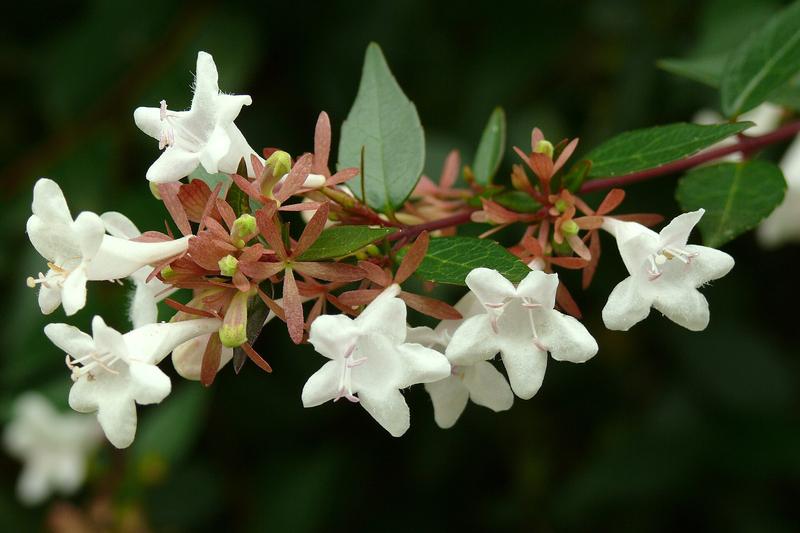
Quick facts
- Watering
- Weekly during establishment, fortnightly when established
- Sunlight
- Full sun to partial shade
- Soil
- Well-drained, fertile, slightly acidic to neutral
- Humans
- Safe
- Cats
- Safe
- Dogs
- Safe
- Height
- 150–200 cm
- Spread
- 150–200 cm
- Spacing
- 120–150 cm apart
- RHS recognition
- Award of Garden Merit
About Abelia
Abelia is a semi-evergreen to evergreen shrub prized for its graceful arching habit, glossy foliage, and profusion of fragrant tubular flowers from summer through autumn. This hybrid originated from a cross between two Chinese species and has become a garden favourite for its long flowering season and low-maintenance nature. UK gardeners value it as a reliable border shrub that provides nectar for pollinators well into autumn when many other plants have finished flowering. Its bronzy new growth and attractive reddish calyces that persist after the flowers fade add further ornamental interest throughout the year.
UK fact: Abelia × grandiflora received the RHS Award of Garden Merit in 1993, recognising its outstanding performance in British gardens and its reliability across diverse UK growing conditions.
Watering Abelia
Newly planted abelias require consistent moisture, so water deeply once or twice weekly during dry spells in their first year. Once established, they are reasonably drought-tolerant but perform best with occasional deep watering during prolonged summer dry periods. In typical UK conditions with regular rainfall, established plants rarely need supplementary watering except during extended droughts. Avoid waterlogging, particularly in winter, as this can lead to root rot.
Sunlight requirements
Plant in a position receiving at least six hours of direct sunlight for the best flowering display, though it will tolerate light dappled shade. In the UK, a south or west-facing aspect is ideal, providing warmth and protection from cold easterly winds. In hotter southern regions, some afternoon shade can help prevent leaf browning during prolonged dry spells.
Soil and feeding
This adaptable shrub tolerates a wide range of soil types including clay, loam, and sandy soils, provided drainage is adequate. The ideal pH range is 5.5 to 7.0, slightly acidic to neutral, though it will tolerate mildly alkaline conditions. Improve heavy clay soils by incorporating organic matter and grit to enhance drainage, as waterlogged roots can cause winter damage. On very poor or sandy soils, enrich with well-rotted compost or manure before planting to improve moisture retention and fertility.
Feed established plants in March or early April with a general-purpose granular fertiliser such as Growmore or blood, fish and bone, scattering it around the base and watering in well. A spring mulch of well-rotted compost or manure provides additional nutrients and helps retain soil moisture. Avoid high-nitrogen feeds after midsummer as these promote soft growth vulnerable to frost damage.
Pruning Abelia
Abelia flowers on the current season's growth, so prune in April or May once new shoots are visible and frost risk has diminished. Remove any frost-damaged, dead, or crossing branches, and trim back flowered stems by about one-third to encourage bushier growth. Older, neglected plants can be rejuvenated by cutting back hard to within 30–45 cm of ground level in spring, though this will sacrifice that year's flowers. Regular light pruning maintains a compact shape and promotes continuous flowering from July through October.
Propagating Abelia
The most successful propagation method is semi-ripe cuttings taken in July or August when the current season's growth has begun to firm up. Softwood cuttings can also be taken in early summer, though these require more careful attention to prevent wilting. Cuttings typically root within six to eight weeks in a propagator or covered pot. Layering is an alternative method for gardeners without propagation facilities, bending a low branch to the ground in spring and allowing it to root naturally over the growing season.
Common problems
Abelia is generally pest and disease-free, making it an excellent low-maintenance choice for UK gardens. Aphids may occasionally colonise soft new growth in spring, but these are easily controlled with insecticidal soap or by encouraging natural predators. In cold, exposed sites or following particularly harsh winters, frost damage can cause dieback of stems and browning of foliage, though plants usually recover with spring pruning. Poor drainage and waterlogged soil in winter can lead to root rot and plant decline, so ensuring adequate drainage at planting is essential.
Spot a problem with your plant? Photograph the affected area using the Loam app and it will suggest the most likely cause and treatment.
Safety
- Humans
- Safe
- Cats
- Safe
- Dogs
- Safe
Toxicity information is for general guidance only.
Seasonal care calendar
Monthly care guide for Abelia in the UK, based on average conditions.
| Month | Care tasks |
|---|---|
| January | No action needed. Avoid disturbing plants during dormancy and protect from severe frost with fleece if necessary. |
| February | Check for frost damage and winter dieback but delay pruning until spring growth begins. |
| March | Apply slow-release fertiliser and mulch around the base. Plant new specimens towards month end in milder regions. |
| April | Prune out any frost-damaged growth and shape plants lightly. Ideal planting month across most of the UK. |
| May | Water newly planted specimens regularly. Complete any pruning by mid-month to allow flowering wood to develop. |
| June | Monitor soil moisture during dry spells and water deeply if needed. Watch for aphids on new growth. |
| July | Enjoy the first flush of flowers. Take semi-ripe cuttings from mid-month onwards. Deadhead spent blooms to encourage more flowers. |
| August | Continue taking semi-ripe cuttings. Water during prolonged dry periods. Peak flowering period begins. |
| September | Flowering continues profusely. Reduce watering as temperatures cool and rainfall increases. |
| October | Late flowers provide valuable nectar for pollinators. Attractive calyces persist after petals fall. Plant container-grown specimens. |
| November | Flowering finishes. Clear fallen leaves from around the base to prevent fungal issues. Protect young plants in cold areas. |
| December | No action needed. In severe weather, protect plants with horticultural fleece, particularly in exposed northern gardens. |
Frequently asked questions
- When should I prune my abelia?
- Prune in late April or May after the risk of hard frost has passed and new growth is visible. Abelia flowers on the current season's growth, so spring pruning won't affect flowering. Remove frost-damaged stems and trim back by about one-third to maintain shape and encourage bushy growth.
- Why isn't my abelia flowering well?
- Poor flowering is usually due to insufficient sunlight or over-pruning in late summer or autumn. Ensure your plant receives at least six hours of direct sun daily and only prune in spring. Heavy shade, excessive nitrogen fertiliser, or very young plants may also result in fewer flowers. If you're unsure what's affecting your specific plant, the Loam app can help diagnose the issue and provide personalised care recommendations based on your garden conditions.
- Can I grow abelia in a container?
- Yes, abelia grows well in large containers of at least 45 cm diameter filled with soil-based compost such as John Innes No. 3. Container plants need more frequent watering and annual feeding in spring. Move pots to a sheltered spot or wrap containers with bubble wrap during severe winter weather to protect roots from freezing.
Got a question about growing Abelia that isn't covered here? Ask the Garden Advisor in the Loam app. It knows your saved plants and local conditions.
Related plants
This page was compiled with AI assistance and reviewed by our team. .