Buddleia
Buddleja davidii
Shrubs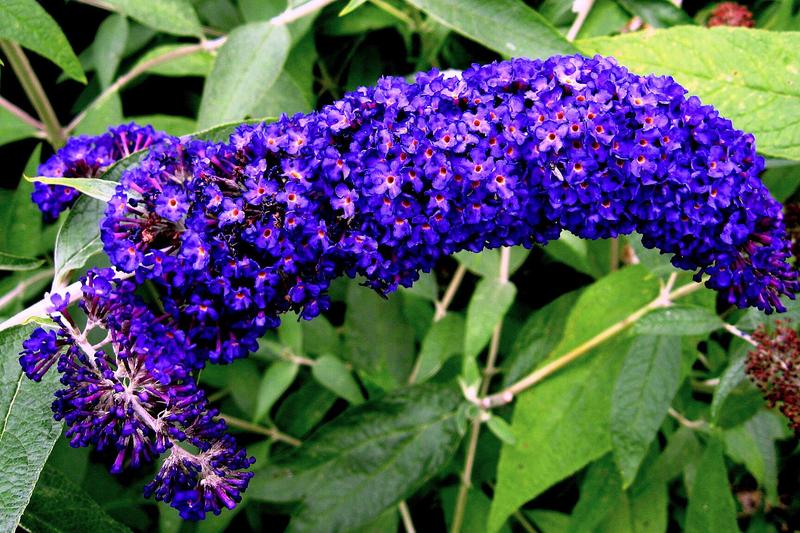
Quick facts
- Watering
- Weekly when young, drought-tolerant once established
- Sunlight
- Full sun
- Soil
- Well-drained, any soil type
- Humans
- Safe
- Cats
- Safe
- Dogs
- Safe
- Height
- 200–400 cm
- Spread
- 150–300 cm
- Spacing
- 150–200 cm apart
- RHS recognition
- Award of Garden Merit
About Buddleia
Buddleia is a fast-growing deciduous shrub renowned for its long, fragrant flower spikes that bloom from midsummer to autumn in shades of purple, pink, white, and blue. Native to China, it was introduced to Britain in the 1890s and quickly became a cottage garden favourite, thriving even in urban environments and wasteland. UK gardeners prize it for attracting butterflies, bees, and other pollinators in abundance. Its vigorous growth and tolerance of poor soils make it an excellent choice for low-maintenance borders and wildlife gardens.
UK fact: Buddleia has naturalised so successfully across Britain that it's often seen growing from cracks in railway embankments, derelict buildings, and urban walls, earning it the nickname 'the bombsite plant' after colonising Second World War bomb sites in London.
Watering Buddleia
Newly planted buddleia requires weekly watering during dry spells in spring and summer until roots are established. Apply 10–15 litres per plant, watering at the base rather than overhead. Established plants are extremely drought-tolerant and typically thrive on rainfall alone in most UK regions. During prolonged summer droughts, an occasional deep soak will encourage continued flowering. Avoid overwatering, as buddleia prefers drier conditions and can suffer from root rot in waterlogged soil.
Sunlight requirements
Plant in a position receiving at least six hours of direct sunlight daily for optimal flowering. South- or west-facing borders are ideal in the UK. Buddleia will tolerate partial shade but flower production and fragrance will be significantly reduced, and growth may become leggy as the plant stretches towards light.
Soil and feeding
This adaptable shrub grows in virtually any well-drained soil, including chalk, clay, sand, and loam. It tolerates a wide pH range from slightly acidic to alkaline (pH 6.0–8.0), making it suitable for most UK gardens. Good drainage is essential; buddleia will not tolerate waterlogged conditions and may develop root rot in heavy, poorly drained clay. In fact, it often performs best in relatively poor, free-draining soils, as overly rich conditions can promote excessive leafy growth at the expense of flowers.
Apply a balanced general-purpose fertiliser such as Growmore or blood, fish and bone in March at the manufacturer's recommended rate. Avoid high-nitrogen feeds, which promote foliage at the expense of flowers. Established buddleia growing in reasonable soil often needs no feeding at all and will flower prolifically on nutrients from rainfall and decomposing mulch alone.
Pruning Buddleia
Prune buddleia hard in March, cutting all stems back to 30–60 cm from ground level, just above a pair of healthy buds. This drastic pruning prevents the shrub becoming tall and leggy with flowers only at the tips of bare branches. Buddleia flowers on the current season's growth, so hard pruning promotes strong new shoots that will bloom profusely from July onwards. Deadhead spent flower spikes throughout summer to prolong flowering and prevent excessive self-seeding, as buddleia can become invasive if allowed to seed freely.
Propagating Buddleia
Take 10–15 cm semi-ripe cuttings from non-flowering side shoots in July or August, or hardwood cuttings from mature stems in October or November. Semi-ripe cuttings root within 4–6 weeks in a propagator or on a windowsill, whilst hardwood cuttings can be inserted directly into the ground in a sheltered spot and left until the following autumn. Buddleia also self-seeds prolifically; seedlings can be transplanted when large enough to handle, though they may not come true to the parent plant's colour.
Common problems
Buddleia is remarkably trouble-free and rarely suffers from serious pests or diseases in UK gardens. Capsid bugs occasionally cause distorted leaves and shoot tips, appearing as tattered holes, but damage is usually cosmetic and doesn't affect overall plant health. In damp conditions, young growth may be affected by aphids in spring; these can be hosed off or left for natural predators. The main cultural problem is self-seeding; buddleia can become invasive if spent flowers aren't deadheaded, with seedlings appearing in walls, paving cracks, and neighbouring gardens.
Spot a problem with your plant? Photograph the affected area using the Loam app and it will suggest the most likely cause and treatment.
Safety
- Humans
- Safe
- Cats
- Safe
- Dogs
- Safe
Toxicity information is for general guidance only.
Seasonal care calendar
Monthly care guide for Buddleia in the UK, based on average conditions.
| Month | Care tasks |
|---|---|
| January | No action needed. Plant is fully dormant. |
| February | No action needed. Wait until March for pruning. |
| March | Hard prune all stems back to 30–60 cm from ground level. Apply general-purpose fertiliser around the base and mulch with compost. |
| April | New shoots emerge rapidly. Water young plants weekly during dry spells. Check for aphids on soft new growth. |
| May | Continue watering newly planted specimens. Growth accelerates; plants may reach 1 metre or more by month's end. |
| June | First flower buds begin to form. Ensure adequate water during dry periods to support flower development. |
| July | Flowering begins. Deadhead spent blooms regularly to prolong display and prevent self-seeding. Peak butterfly activity. |
| August | Main flowering period. Continue deadheading. Take semi-ripe cuttings mid to late month for propagation. |
| September | Flowering continues into early autumn. Deadhead to maintain display. Last chance for semi-ripe cuttings early in month. |
| October | Flowering finishes. Take hardwood cuttings. Allow some seedheads to remain for birds if self-seeding isn't a concern. |
| November | Leaves drop. Continue taking hardwood cuttings early in month. Tidy around base but leave pruning until spring. |
| December | No action needed. Plant is dormant. |
Frequently asked questions
- When should I prune buddleia in the UK?
- Prune buddleia hard in March, cutting all stems back to 30–60 cm from the ground. This timing is crucial: pruning in autumn stimulates soft new growth that will be damaged by winter frosts, whilst March pruning forces vigorous growth that flowers abundantly through summer. The old stems provide frost protection to the crown and create habitat for overwintering insects, which are valuable food for birds in late winter.
- Why are the leaves on my buddleia turning yellow?
- Yellowing leaves on buddleia can indicate several issues: waterlogged soil (buddleia needs good drainage), nutrient deficiency in very poor soil, or stress from transplanting. Check soil moisture and drainage first. If you're unsure what's causing the problem, the Loam app can help diagnose the issue through photos and provide personalised care advice based on your specific growing conditions.
- How do I propagate buddleia from cuttings?
- Take semi-ripe cuttings in July or August. Cut 10–15 cm lengths just below a leaf node, remove lower leaves, and insert into gritty compost. Keep in a sheltered spot or cold frame—cuttings root readily without hormone powder. Alternatively, take hardwood cuttings in November: cut 20–30 cm lengths of current year's growth and insert two-thirds into the ground outdoors. They'll root over winter and can be transplanted the following autumn.
Got a question about growing Buddleia that isn't covered here? Ask the Garden Advisor in the Loam app. It knows your saved plants and local conditions.
Related plants
This page was compiled with AI assistance and reviewed by our team. .