Bay
Laurus nobilis
Herbs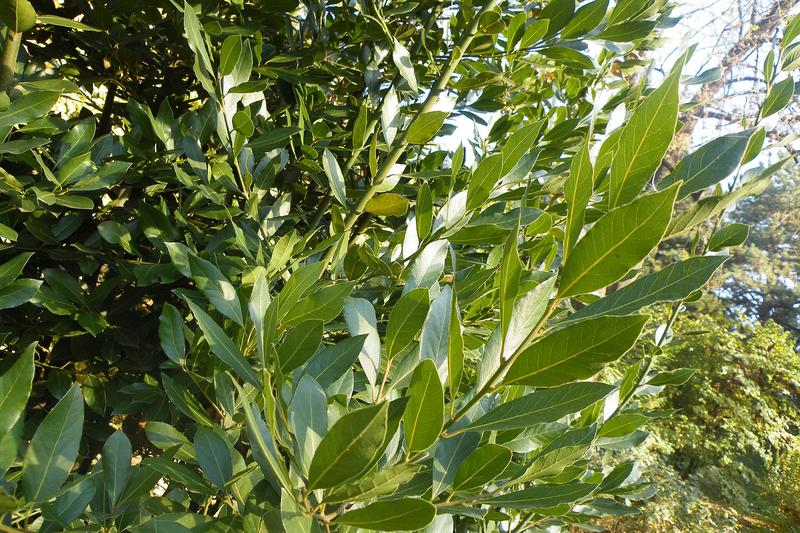
Quick facts
- Watering
- Weekly during growing season
- Sunlight
- Full sun to partial shade
- Soil
- Well-drained, fertile loam
- Humans
- Safe
- Cats
- Toxic
- Dogs
- Toxic
- Height
- 300–1200 cm
- Spread
- 150–400 cm
- Spacing
- 150–200 cm apart
- RHS recognition
- Award of Garden Merit
About Bay
Bay is an evergreen shrub or small tree prized for its aromatic, glossy dark green leaves used in cooking. Native to the Mediterranean, it has been cultivated in Britain since Roman times and remains a staple in kitchen gardens and containers. Bay can be trained into elegant topiary standards and pyramids, making it both a culinary and ornamental favourite. In the UK, it thrives in sheltered spots and is often grown in pots that can be moved under cover during harsh winters.
UK fact: Bay has been grown in British monastery gardens since medieval times, where monks used the leaves not only for flavouring but also for their supposed medicinal properties and to crown scholars.
Watering Bay
Bay is relatively drought-tolerant once established but performs best with consistent moisture during the growing season. Container-grown plants need more frequent watering, especially in summer, but ensure pots have excellent drainage as waterlogged roots quickly lead to root rot. In winter, reduce watering significantly, keeping the compost just barely moist. During prolonged dry spells in summer, even established garden plants benefit from a thorough weekly soak.
Sunlight requirements
Position bay in a sunny, sheltered spot for the best leaf flavour and compact growth. In the UK, a south or west-facing wall provides ideal protection from cold winds. Plants in partial shade will grow more slowly but still produce aromatic leaves, making them suitable for courtyard gardens with limited direct sun.
Soil and feeding
Plant bay in well-drained, moderately fertile soil with a pH between 6.0 and 7.5. Heavy clay soils should be improved with grit and organic matter to enhance drainage, as bay is particularly susceptible to root rot in wet conditions. For container cultivation, use a loam-based compost such as John Innes No. 2 or 3, adding extra grit for drainage. Good drainage is especially critical in the UK's wet winters.
Bay grown in pots benefits from regular feeding between April and September using a balanced liquid feed or slow-release granules applied in spring. Garden-grown specimens need less feeding—an annual mulch of well-rotted compost in spring is usually sufficient. Avoid over-feeding, which can produce soft growth more susceptible to frost damage.
Pruning Bay
Bay responds well to pruning and can be shaped into standards, cones, or pyramids. Carry out formative pruning in late spring once the risk of hard frost has passed, removing any winter-damaged shoots back to healthy wood. Trim established topiary shapes in summer, making cuts just above a leaf node. Bay can also be left to grow naturally with minimal pruning, requiring only the removal of dead, damaged, or crossing branches to maintain an open structure.
Propagating Bay
Semi-ripe cuttings taken in July or August offer the most reliable propagation method for bay. Select healthy, non-flowering shoots and root them in a gritty compost with bottom heat. Layering is an easier alternative for beginners—peg down a low branch in spring and it should root within a year. Bay can be grown from seed, but germination is slow and erratic, and plants take many years to reach a useful size.
Common problems
Bay is generally trouble-free but can suffer from bay sucker (Trioza alacris), a sap-sucking insect that causes leaf yellowing and thickening, particularly in spring. Scale insects may also colonise stems and leaf undersides, secreting sticky honeydew. In containers, poor drainage or overwatering leads to root rot and leaf drop. Cold winds and hard frosts can damage foliage, causing brown, crispy leaf edges, especially on plants in exposed positions.
Spot a problem with your plant? Photograph the affected area using the Loam app and it will suggest the most likely cause and treatment.
Safety
- Humans
- Safe
- Cats
-
Toxic
Bay leaves contain essential oils that can cause vomiting and diarrhoea if ingested in quantity by cats.
- Dogs
-
Toxic
Bay leaves can cause gastrointestinal upset in dogs if consumed, though toxicity is generally mild.
Toxicity information is for general guidance only. If a pet has been exposed to this plant and you are concerned, seek advice from a vet.
Seasonal care calendar
Monthly care guide for Bay in the UK, based on average conditions.
| Month | Care tasks |
|---|---|
| January | Protect container-grown plants from severe frost by moving under cover or wrapping pots with fleece. |
| February | Check plants for frost damage but avoid pruning until spring. Ensure good drainage around roots. |
| March | Begin watering container plants more regularly as growth resumes. Apply slow-release fertiliser to pots. |
| April | Prune out any frost-damaged growth back to healthy wood. Repot container plants if rootbound. |
| May | Watch for bay sucker and treat if necessary. Begin regular feeding of container plants. |
| June | Trim topiary shapes lightly to maintain form. Water regularly during dry spells. |
| July | Take semi-ripe cuttings for propagation. Continue watering and feeding container plants. |
| August | Continue taking cuttings if needed. Harvest leaves for drying. Maintain regular watering. |
| September | Reduce feeding as growth slows. Check for scale insects and treat if present. |
| October | Reduce watering frequency. Move tender container plants to sheltered positions before frosts. |
| November | Protect plants in exposed positions with fleece during cold snaps. Keep compost barely moist. |
| December | Ensure container plants are protected from freezing. Water sparingly, only if compost is dry. |
Frequently asked questions
- How do I prune a bay tree to keep it in shape?
- Prune bay in late spring or summer when growth is active. Remove dead or damaged wood first, then trim to maintain your desired shape—bay responds well to topiary and formal shapes. Use sharp secateurs and make clean cuts just above a leaf node. Avoid hard pruning in autumn or winter as this can expose tender growth to frost damage. Light, regular trimming is better than severe cuts.
- Why are my bay leaves turning yellow and dropping?
- Yellowing and leaf drop usually indicates overwatering or poor drainage, especially in winter. Check that containers have adequate drainage holes and reduce watering. Bay sucker infestation can also cause yellowing—inspect leaf undersides for small insects. If you're unsure what's causing the problem, the Loam app can help diagnose issues from photos and provide personalised care advice for your specific conditions.
- What type of compost should I use for bay trees in pots?
- Use a soil-based compost such as John Innes No. 2 or No. 3 for container-grown bay. Soil-based composts provide better stability for top-heavy plants, retain nutrients longer, and don't dry out as quickly as multipurpose compost. Add horticultural grit (about 20-30% by volume) to improve drainage. Repot every 2-3 years in spring, or top-dress annually with fresh compost if the plant is in its final pot size.
Got a question about growing Bay that isn't covered here? Ask the Garden Advisor in the Loam app. It knows your saved plants and local conditions.
Related plants
This page was compiled with AI assistance and reviewed by our team. .