Lysimachia
Lysimachia punctata
Perennials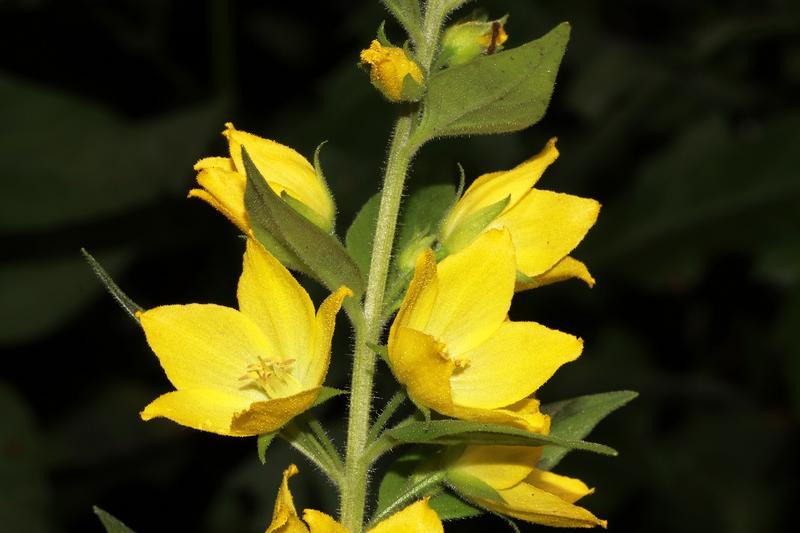
Quick facts
- Watering
- Weekly during dry spells
- Sunlight
- Full sun to partial shade
- Soil
- Moist, well-drained, any pH
- Humans
- Safe
- Cats
- Safe
- Dogs
- Safe
- Height
- 60–90 cm
- Spread
- 60–90 cm
- Spacing
- 45–60 cm apart
- RHS recognition
- Award of Garden Merit
About Lysimachia
Lysimachia punctata, commonly known as dotted loosestrife or yellow loosestrife, is a vigorous herbaceous perennial native to central and southeastern Europe. It produces upright stems clothed in whorls of lance-shaped leaves and adorned with bright golden-yellow, cup-shaped flowers throughout summer. UK gardeners prize it for its cheerful colour, reliability in difficult spots, and ability to naturalise in cottage gardens and wildflower borders. Though robust and easy to grow, it can spread enthusiastically via rhizomes and may require containment in smaller gardens.
UK fact: Lysimachia punctata has naturalised widely across the British Isles since its introduction as a garden plant in the 16th century, now appearing in damp hedgerows, riverbanks, and woodland edges throughout England, Wales, and parts of Scotland.
Watering Lysimachia
Once established, Lysimachia punctata is reasonably drought-tolerant but performs best with consistent moisture, particularly during the UK's drier summer months. Water weekly during prolonged dry spells, ensuring the soil remains evenly moist but not waterlogged. In heavy clay soils or naturally damp areas, additional watering is rarely necessary. Mulching around the base helps retain moisture and reduces watering frequency.
Sunlight requirements
Lysimachia punctata thrives in full sun to partial shade, making it versatile for various garden positions. In the UK, it performs best with at least four hours of direct sunlight daily, though it tolerates dappled shade under deciduous trees. South- or west-facing borders are ideal, but avoid deep shade where flowering may be reduced.
Soil and feeding
Lysimachia punctata is unfussy about soil type and will grow in clay, loam, or sandy soils provided they retain some moisture. It tolerates a wide pH range from acidic to alkaline (pH 5.5-8.0), making it suitable for most UK gardens. The plant performs particularly well in moisture-retentive soils and can even tolerate occasional waterlogging, making it ideal for bog gardens or pond margins. Improve poor soils with organic matter such as well-rotted compost or leaf mould before planting.
Lysimachia punctata requires minimal feeding and thrives in average garden soil without supplementary fertiliser. If desired, apply a light dressing of general-purpose granular fertiliser or well-rotted compost in early spring to encourage vigorous growth and abundant flowering. Avoid overfeeding, which can promote excessive foliage at the expense of flowers and increase the plant's already vigorous spreading habit.
Pruning Lysimachia
Cut back flowering stems to ground level in late autumn once foliage has died back, or leave standing through winter to provide structure and wildlife habitat, then clear in early spring. Deadheading spent flowers throughout summer prevents self-seeding and may encourage a second flush of blooms. To control spread, dig up and remove unwanted rhizomes in spring or autumn, creating a physical barrier if necessary. Regular division every three to four years helps maintain vigour and prevents the clump from becoming too congested.
Propagating Lysimachia
Lysimachia punctata is easily propagated by division in spring or autumn, lifting established clumps and separating them into sections with roots and shoots attached. This method also helps control the plant's spread and rejuvenates older specimens. Alternatively, take basal cuttings in spring, removing young shoots with a heel of older tissue and rooting them in moist compost. The plant may also self-seed, though seedlings can be variable and may take several years to reach flowering size.
Common problems
Lysimachia punctata is generally trouble-free and resistant to most pests and diseases in UK gardens. Slugs and snails may occasionally damage young spring growth, particularly in damp conditions, but established plants usually outgrow any damage. The main issue for gardeners is its vigorous spreading habit via underground rhizomes, which can become invasive in favourable conditions and smother neighbouring plants. Contain spread by installing root barriers, growing in large pots, or regularly removing unwanted growth.
Spot a problem with your plant? Photograph the affected area using the Loam app and it will suggest the most likely cause and treatment.
Safety
- Humans
- Safe
- Cats
- Safe
- Dogs
- Safe
Toxicity information is for general guidance only.
Seasonal care calendar
Monthly care guide for Lysimachia in the UK, based on average conditions.
| Month | Care tasks |
|---|---|
| January | No action needed; plant is fully dormant. |
| February | Clear away any remaining dead stems if not done in autumn. |
| March | Apply mulch and light feed as new shoots emerge. Divide established clumps if required. |
| April | Monitor for slug damage on emerging foliage. Plant new specimens or divisions. |
| May | Water during dry spells as plants establish and grow rapidly. |
| June | Enjoy the main flowering display. Deadhead spent blooms to prolong flowering. |
| July | Continue deadheading and water weekly during dry weather. Remove unwanted spreading growth. |
| August | Flowering continues. Deadhead regularly and maintain watering in dry conditions. |
| September | Flowering finishes. Divide congested clumps if needed. Reduce watering as growth slows. |
| October | Cut back dying foliage or leave for winter structure. Remove unwanted rhizomes to control spread. |
| November | Finish cutting back if desired. Tidy borders and apply mulch around the crown. |
| December | No action needed; plant is dormant. |
Frequently asked questions
- How do I stop Lysimachia punctata from spreading too much?
- Control spread by installing a physical root barrier at least 30cm deep, growing in large containers, or regularly digging up and removing unwanted rhizomes in spring or autumn. Division every three to four years also helps manage vigour and prevents the plant from becoming invasive in borders.
- When should I divide my Lysimachia and how often?
- Divide Lysimachia punctata every three to four years in spring (March-April) or autumn (September-October) to maintain vigour and control spread. The Loam app can send you timely reminders based on when you planted yours and track your division schedule for optimal plant health.
- Will Lysimachia punctata grow in shade?
- Lysimachia punctata tolerates partial shade and will grow under deciduous trees or in dappled light, though flowering is most prolific with at least four hours of direct sun daily. Avoid deep, dense shade where the plant may become leggy and produce fewer flowers.
Got a question about growing Lysimachia that isn't covered here? Ask the Garden Advisor in the Loam app. It knows your saved plants and local conditions.
Related plants
This page was compiled with AI assistance and reviewed by our team. .