Purple Loosestrife
Lythrum salicaria
Perennials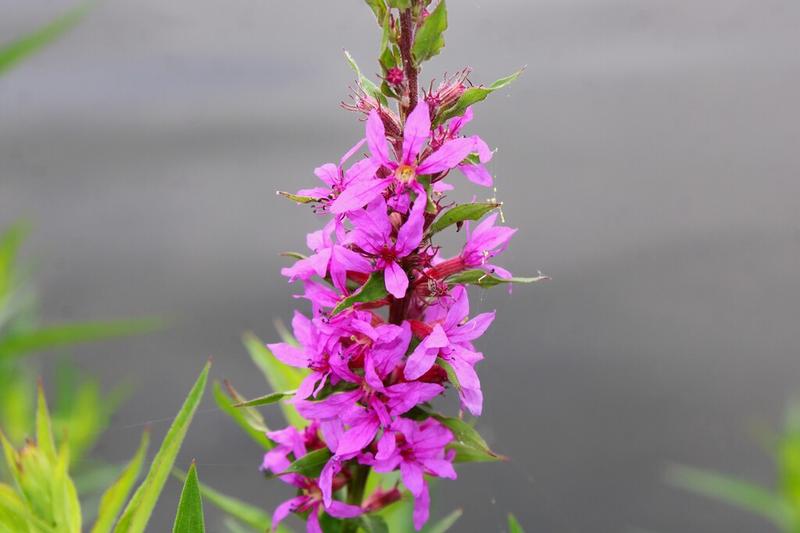
Quick facts
- Watering
- Keep consistently moist
- Sunlight
- Full sun to partial shade
- Soil
- Moisture-retentive, fertile loam
- Humans
- Safe
- Cats
- Safe
- Dogs
- Safe
- Height
- 90–150 cm
- Spread
- 45–60 cm
- Spacing
- 45–60 cm apart
About Purple Loosestrife
Purple Loosestrife is a striking herbaceous perennial native to the UK and Europe, producing tall spikes of magenta-purple flowers from June to September. Growing 90–150 cm tall, this moisture-loving plant thrives in damp borders, bog gardens, and alongside ponds where its vibrant blooms attract bees, butterflies, and other pollinators. UK gardeners value it for its long flowering season, low maintenance requirements, and ability to naturalise in wet conditions. The cultivated varieties are particularly well-suited to British gardens, offering reliable colour in challenging waterlogged sites.
UK fact: Purple Loosestrife has been a native British wildflower for thousands of years and is commonly found along riverbanks, marshes, and wetlands throughout the UK, though gardeners should choose sterile cultivars like 'Robert' or 'Blush' to prevent unwanted spread in natural habitats.
Watering Purple Loosestrife
This moisture-loving perennial requires consistently damp soil and should never be allowed to dry out completely. Water regularly during dry spells, particularly from May to September when the plant is actively growing and flowering. In bog gardens or pond margins, natural moisture levels are usually sufficient, but plants in borders may need watering two to three times weekly during hot, dry UK summers. Established plants tolerate brief periods of standing water, making them ideal for poorly-drained sites.
Sunlight requirements
Purple Loosestrife performs best in full sun, producing the most abundant flower spikes with at least six hours of direct sunlight daily. It tolerates partial shade, particularly in southern UK gardens, though flowering may be reduced. In shadier positions, ensure the soil remains consistently moist to compensate for reduced light levels.
Soil and feeding
Purple Loosestrife thrives in rich, moisture-retentive soil with plenty of organic matter, tolerating a wide pH range from slightly acidic to slightly alkaline (pH 5.5–7.5). It performs exceptionally well in heavy clay soils that remain damp, making it ideal for challenging wet areas where many perennials struggle. Incorporate well-rotted compost or manure when planting to improve fertility and moisture retention. The plant tolerates boggy conditions and even seasonal waterlogging, but can adapt to ordinary garden soil if kept consistently moist.
Apply a balanced general-purpose fertiliser in early spring as new growth emerges to support vigorous flowering. A second feed in mid-summer with a liquid fertiliser high in potassium encourages continued blooming through August and September. Plants growing in naturally fertile, moisture-retentive soil or bog gardens rarely require additional feeding.
Pruning Purple Loosestrife
Cut back spent flower spikes in late summer to encourage a second flush of blooms and prevent self-seeding, particularly important with the species form. Deadhead regularly throughout the flowering season to maintain a tidy appearance and prolong flowering. In late autumn or early spring, cut all stems down to ground level before new growth emerges, removing old foliage to the base. Divide congested clumps every three to four years in spring to maintain vigour and flowering performance.
Propagating Purple Loosestrife
Purple Loosestrife is easily propagated by division in spring (March to April) or autumn (September to October), lifting established clumps and separating them into smaller sections with roots and shoots attached. Basal cuttings can be taken in spring from new shoots emerging at the base, rooted in moist compost in a cold frame. Seed propagation is possible but cultivars will not come true to type; sow fresh seed in autumn in pots outdoors, though division is more reliable and faster. Choose sterile cultivars rather than the species to prevent unwanted spread in the wider environment.
Common problems
Purple Loosestrife is generally trouble-free with few serious pest or disease problems in UK gardens. Aphids may occasionally colonise young shoots and flower spikes in spring and early summer, but rarely cause significant damage and can be controlled with a strong water spray or organic insecticides if necessary. Slugs and snails may damage emerging shoots in spring, particularly in very wet conditions. The main concern is the plant's vigorous spreading habit in ideal conditions; the species form can self-seed prolifically and spread via rhizomes, so choose sterile cultivars for garden use and remove unwanted seedlings promptly.
Spot a problem with your plant? Photograph the affected area using the Loam app and it will suggest the most likely cause and treatment.
Safety
- Humans
- Safe
- Cats
- Safe
- Dogs
- Safe
Toxicity information is for general guidance only.
Seasonal care calendar
Monthly care guide for Purple Loosestrife in the UK, based on average conditions.
| Month | Care tasks |
|---|---|
| January | No action needed; plant is fully dormant. |
| February | Clear away any remaining dead stems if not done in autumn. |
| March | Cut back old growth to ground level. Divide established clumps. Apply balanced fertiliser as new shoots emerge. |
| April | Watch for emerging shoots and protect from slugs. Take basal cuttings for propagation. |
| May | Water regularly as growth accelerates. Check for aphids on young shoots. |
| June | Flowering begins. Deadhead spent blooms to prolong display. Ensure soil remains moist. |
| July | Peak flowering period. Continue deadheading. Apply liquid feed to support continued blooming. |
| August | Maintain deadheading. Water during dry spells. Cut back spent flower spikes to encourage second flush. |
| September | Flowering continues into early autumn. Divide congested clumps if needed. Remove seedheads to prevent self-seeding. |
| October | Cut back faded stems or leave for winter structure. Tidy around base of plant. |
| November | Complete autumn cut-back if preferred, or leave stems for wildlife. |
| December | No action needed; plant is dormant. |
Frequently asked questions
- Is Purple Loosestrife invasive in the UK?
- The native species can spread vigorously via seed and rhizomes, but is not classified as invasive in the UK where it occurs naturally. However, gardeners should choose sterile cultivars like 'Robert', 'Blush', or 'Feuerkerze' which do not self-seed, particularly near natural wetlands. These cultivars provide the same ornamental value without the risk of unwanted spread.
- Why isn't my Purple Loosestrife flowering well?
- Poor flowering is usually caused by insufficient sunlight, dry soil, or overcrowding. The Loam app can help you track watering schedules and set reminders to divide congested clumps, ensuring your plant receives the moisture and space it needs for abundant blooms.
- Can Purple Loosestrife grow in a bog garden?
- Yes, Purple Loosestrife is ideal for bog gardens and pond margins, thriving in permanently moist to waterlogged soil. It tolerates standing water better than most perennials and provides excellent vertical interest alongside moisture-loving plants like irises, astilbes, and ligularias in wet garden areas.
Got a question about growing Purple Loosestrife that isn't covered here? Ask the Garden Advisor in the Loam app. It knows your saved plants and local conditions.
Related plants
This page was compiled with AI assistance and reviewed by our team. .