Cardinal Flower
Lobelia cardinalis
Perennials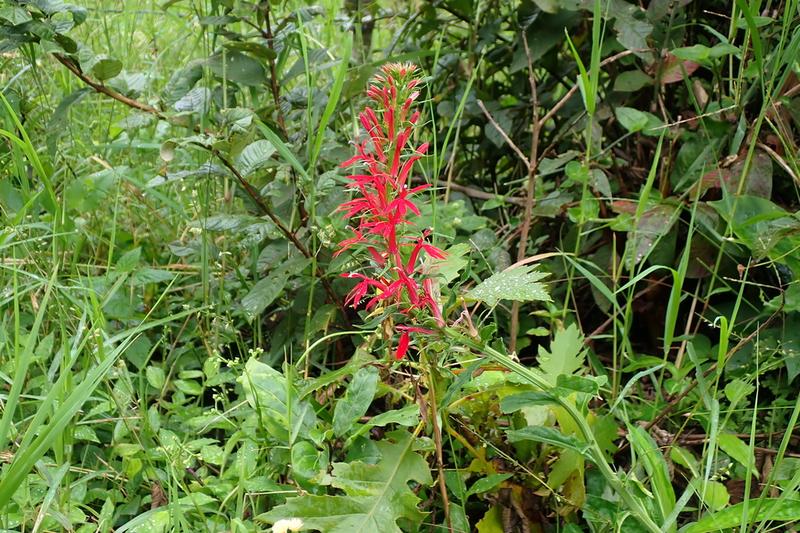
Quick facts
- Watering
- Keep constantly moist
- Sunlight
- Full sun to partial shade
- Soil
- Rich, moisture-retentive, humus-rich
- Humans
- Toxic
- Cats
- Toxic
- Dogs
- Toxic
- Height
- 60–120 cm
- Spread
- 30–45 cm
- Spacing
- 30–40 cm apart
- RHS recognition
- Award of Garden Merit
About Cardinal Flower
Cardinal Flower is a striking North American native perennial renowned for its brilliant scarlet flower spikes that appear from July to September. Growing 60–120 cm tall, it produces lance-shaped green to bronze-tinged foliage and tubular blooms that are magnets for bees and butterflies. UK gardeners prize it for adding vibrant late-summer colour to bog gardens, pond margins, and moisture-retentive borders. Its preference for damp conditions makes it ideal for challenging wet spots where many perennials struggle.
UK fact: Cardinal Flower holds the RHS Award of Garden Merit and thrives particularly well in the wetter regions of western Britain, where its moisture requirements are naturally met by higher rainfall.
Watering Cardinal Flower
This moisture-loving perennial requires consistently damp to wet soil and should never be allowed to dry out. Water daily during dry spells, particularly in summer when actively growing and flowering. In bog gardens or at pond edges, natural moisture levels are usually sufficient, but container-grown specimens need vigilant watering. Reduce watering slightly in winter but ensure the soil remains moist even when dormant.
Sunlight requirements
Cardinal Flower performs best in full sun in northern Britain, but benefits from partial shade in warmer southern counties, particularly during hot afternoons. In bog gardens or pond margins, position where it receives at least 4–6 hours of direct sunlight. South-facing or west-facing aspects are ideal, though avoid deep shade which reduces flowering.
Soil and feeding
Cardinal Flower thrives in fertile, humus-rich soil that remains consistently moist or even waterlogged. It tolerates heavy clay and performs exceptionally well in bog conditions or at the margins of ponds and streams. The ideal pH is slightly acidic to neutral (5.5–7.0). Incorporate plenty of organic matter such as well-rotted compost or leaf mould when planting to improve moisture retention and fertility.
Apply a balanced liquid fertiliser monthly from April to August to support vigorous growth and prolific flowering. In bog gardens with naturally rich soil, feeding may be reduced to every 6–8 weeks. Avoid high-nitrogen feeds which promote foliage at the expense of blooms.
Pruning Cardinal Flower
Deadhead spent flower spikes promptly to encourage a second flush of blooms and prevent self-seeding if not desired. Cut back all stems to ground level in late autumn or early spring before new growth emerges. Cardinal Flower is short-lived, often behaving as a biennial in UK gardens, so allow some self-seeding to maintain the display. Divide congested clumps every 2–3 years in spring to rejuvenate plants.
Propagating Cardinal Flower
Cardinal Flower is easily propagated by division in spring, separating offsets from the parent plant and replanting immediately in moist soil. Seed can be sown in autumn or early spring on the surface of damp compost (do not cover as light aids germination) and kept at 15–18°C; germination takes 2–4 weeks. Basal cuttings taken in spring also root readily in a mix of peat-free compost and sharp sand kept constantly moist. Plants often self-seed freely in favourable conditions.
Common problems
Slugs and snails are the primary pests, particularly damaging young growth in spring; use organic controls or barriers around emerging shoots. Root rot can occur if planted in stagnant water rather than moving moisture, so ensure some water flow in bog gardens. Aphids occasionally colonise flower spikes in summer but rarely cause serious damage. The plant's short-lived nature means it may disappear after 2–3 years if not allowed to self-seed or divided regularly.
Spot a problem with your plant? Photograph the affected area using the Loam app and it will suggest the most likely cause and treatment.
Safety
- Humans
-
Toxic
All parts contain toxic alkaloids that can cause nausea, vomiting, and dizziness if ingested. Handle with care and keep away from children.
- Cats
-
Toxic
Contains toxic alkaloids that can cause vomiting, diarrhoea, and neurological symptoms if ingested.
- Dogs
-
Toxic
Contains toxic alkaloids that can cause vomiting, diarrhoea, and neurological symptoms if ingested.
Toxicity information is for general guidance only. If a person or pet has been exposed to this plant and you are concerned, seek advice from a medical professional or vet.
Seasonal care calendar
Monthly care guide for Cardinal Flower in the UK, based on average conditions.
| Month | Care tasks |
|---|---|
| January | No action needed; plant is dormant. |
| February | Check mulch around crowns and ensure soil remains moist. |
| March | Cut back old stems if not done in autumn. Divide established clumps. Sow seed under cover. |
| April | New growth emerges; protect from slugs. Begin monthly feeding. Plant out divisions. |
| May | Water regularly as temperatures rise. Continue feeding and slug protection. |
| June | Maintain consistent moisture. Stake tall stems if necessary in exposed positions. |
| July | Flowering begins. Deadhead spent blooms to prolong display. Water daily in dry weather. |
| August | Peak flowering period. Continue deadheading and watering. Feed for the last time. |
| September | Flowering continues into early autumn. Allow some seed heads to develop for self-seeding. |
| October | Flowering finishes. Collect seed if desired. Reduce watering slightly as growth slows. |
| November | Cut back stems to ground level. Mulch crowns with leaf mould for winter protection. |
| December | No action needed; plant is dormant. |
Frequently asked questions
- Why is my Cardinal Flower not flowering?
- Insufficient sunlight is the most common cause; Cardinal Flower needs at least 4–6 hours of direct sun daily to bloom well. Dry soil conditions also inhibit flowering, so ensure the plant remains constantly moist. Finally, excessive nitrogen fertiliser promotes leafy growth at the expense of flowers, so use a balanced feed instead.
- How do I know if my Cardinal Flower needs dividing?
- Reduced flowering, smaller blooms, or a dying-out centre indicate it's time to divide, typically every 2–3 years. The Loam app can track your plant's age and send timely reminders for division, plus provide personalised care schedules based on your local conditions and the plant's performance in your garden.
- Can Cardinal Flower survive in a container?
- Yes, Cardinal Flower grows well in large containers (at least 30 cm diameter) provided you can maintain consistently moist compost. Use a moisture-retentive, peat-free mix and stand the pot in a shallow tray of water during summer. Container plants require more frequent feeding than those in the ground and may need dividing annually due to restricted root space.
Got a question about growing Cardinal Flower that isn't covered here? Ask the Garden Advisor in the Loam app. It knows your saved plants and local conditions.
Related plants
This page was compiled with AI assistance and reviewed by our team. .