Lovage
Levisticum officinale
Herbs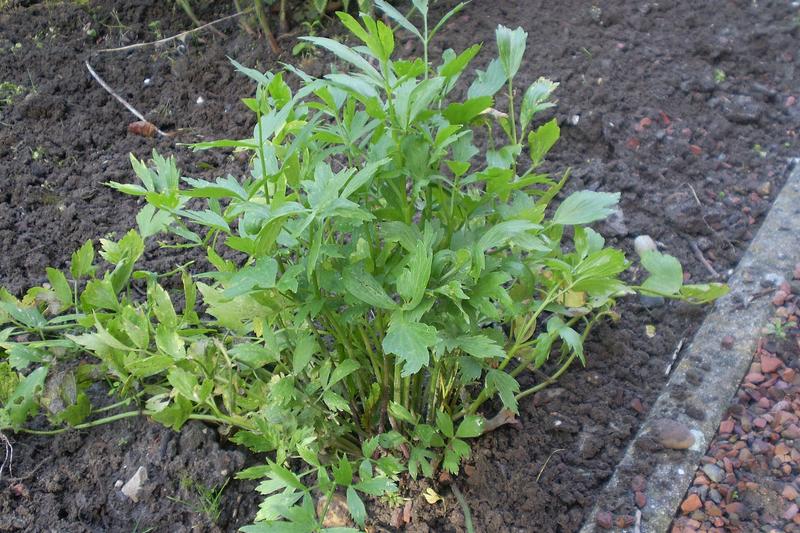
Quick facts
- Watering
- Weekly during growing season
- Sunlight
- Full sun to partial shade
- Soil
- Rich, moisture-retentive, well-drained
- Humans
- Safe
- Cats
- Unknown
- Dogs
- Unknown
- Height
- 150–200 cm
- Spread
- 60–90 cm
- Spacing
- 60–75 cm apart
- RHS recognition
- Award of Garden Merit
About Lovage
Lovage is a tall, robust perennial herb native to the Mediterranean, prized in British gardens for its celery-like flavour and impressive stature. Growing up to 2 metres tall, this hardy herb produces glossy, deeply divided leaves and umbels of yellow-green flowers in summer. UK gardeners value lovage for its culinary versatility, using leaves, stems, and seeds to add a savoury depth to soups, stocks, and salads. Once established, it thrives in British conditions with minimal fuss, making it an excellent choice for cottage gardens and kitchen plots.
UK fact: Lovage has been cultivated in British monastery gardens since medieval times, where monks used it both as a culinary herb and a medicinal plant to aid digestion and treat ailments.
Watering Lovage
Lovage appreciates regular moisture, particularly from spring through summer when producing new growth. Water deeply once a week during dry spells, providing approximately 2.5 cm of water to encourage deep root development. Established plants show good drought tolerance but produce the best quality leaves when kept evenly moist. In typical British summers with regular rainfall, supplementary watering is often unnecessary except during prolonged dry periods.
Sunlight requirements
Position lovage in full sun for the most vigorous growth and strongest flavour, though it performs admirably in partial shade, making it suitable for north-facing borders. In hot, south-facing spots, some afternoon shade helps prevent the leaves from yellowing during prolonged dry spells. Avoid deep shade, which produces weak, leggy growth with diminished flavour.
Soil and feeding
Lovage thrives in deep, rich soil with plenty of organic matter, performing best in slightly alkaline to neutral conditions with a pH of 6.5-7.5. Improve heavy clay soils with well-rotted compost or manure to enhance drainage whilst retaining moisture. Sandy soils benefit from generous organic amendments to improve water retention. The plant's deep taproot requires soil cultivated to at least 30 cm depth for optimal establishment.
Feed lovage in early spring with a general-purpose organic fertiliser or a 5 cm layer of well-rotted compost around the base. A second application of liquid seaweed feed in midsummer encourages continued leaf production. Avoid high-nitrogen feeds late in the season, which promote soft growth vulnerable to winter damage.
Pruning Lovage
Remove flowering stems as they appear if you wish to prolong leaf harvest, as flowering reduces foliage quality. Cut individual leaves and stems throughout the growing season, taking no more than one-third of the plant at a time to maintain vigour. In late autumn after the first hard frost, cut all growth back to ground level and mulch the crown with compost. Divide congested clumps every 3-4 years in spring to maintain productivity.
Propagating Lovage
Seed is the most common propagation method, sown fresh in autumn or stratified and sown in spring, as viability decreases rapidly with storage. Division of established plants in March or October provides instant results and rejuvenates older specimens. Root cuttings taken in late winter also succeed but are less commonly used. Lovage rarely requires propagation once established, as a single plant provides ample harvest for most households.
Common problems
Lovage is remarkably trouble-free in UK gardens, with few serious pest or disease issues. Leaf miners occasionally tunnel through foliage, creating pale trails, though damage is usually cosmetic and rarely warrants treatment. Aphids may cluster on young shoots in spring but are easily controlled with a strong water spray or by encouraging natural predators. The main cultural problem is self-seeding if flower heads are left to mature, though seedlings are easily removed when young.
Spot a problem with your plant? Photograph the affected area using the Loam app and it will suggest the most likely cause and treatment.
Safety
- Humans
- Safe
- Cats
-
Unknown
No specific toxicity data available for cats. Monitor pets and consult a vet if ingestion occurs.
- Dogs
-
Unknown
No specific toxicity data available for dogs. Monitor pets and consult a vet if ingestion occurs.
Toxicity information is for general guidance only. If a pet has been exposed to this plant and you are concerned, seek advice from a vet.
Seasonal care calendar
Monthly care guide for Lovage in the UK, based on average conditions.
| Month | Care tasks |
|---|---|
| January | No action needed; plant is fully dormant below ground. |
| February | Check mulch around crown and prepare planting sites for new divisions. |
| March | Divide established clumps and apply compost mulch. Sow stratified seed under cover. |
| April | Plant out divisions and pot-grown plants. Begin light harvesting of young leaves. |
| May | Harvest leaves regularly for culinary use. Water during dry spells. |
| June | Remove flower stems to prolong leaf production. Continue regular harvesting and watering. |
| July | Harvest leaves and stems. Apply liquid feed to maintain vigour. Water weekly in dry weather. |
| August | Continue harvesting. Allow some flowers to develop if seed is desired for propagation. |
| September | Collect ripe seed for sowing. Reduce harvesting as growth slows. Divide plants if needed. |
| October | Sow fresh seed outdoors. Divide established clumps. Final harvest before frost. |
| November | Cut back all growth to ground level after first hard frost. Mulch crown with compost. |
| December | No action needed; plant is dormant. |
Frequently asked questions
- Why are my lovage leaves turning yellow?
- Yellowing leaves usually indicate drought stress or poor soil fertility. Ensure consistent moisture during dry spells and apply a balanced feed in spring. Yellowing in late summer is natural as the plant prepares for dormancy.
- How can I tell if my lovage is getting enough water?
- Lovage prefers consistently moist soil and will show signs of stress through wilting or yellowing leaves when too dry. Check soil moisture regularly, especially during hot weather. The Loam app can help you track watering schedules and diagnose moisture-related problems with personalised care reminders for your specific conditions.
- When should I divide my lovage plant?
- Divide lovage in early spring (March-April) or autumn (September-October) when the plant is dormant or just emerging. Dig up the crown and split it into sections, each with roots and growth buds. Divisions establish quickly and provide an easy way to propagate lovage or rejuvenate an overcrowded clump.
Got a question about growing Lovage that isn't covered here? Ask the Garden Advisor in the Loam app. It knows your saved plants and local conditions.
Related plants
This page was compiled with AI assistance and reviewed by our team. .