Lords and Ladies
Arum maculatum
Wildflowers and Natives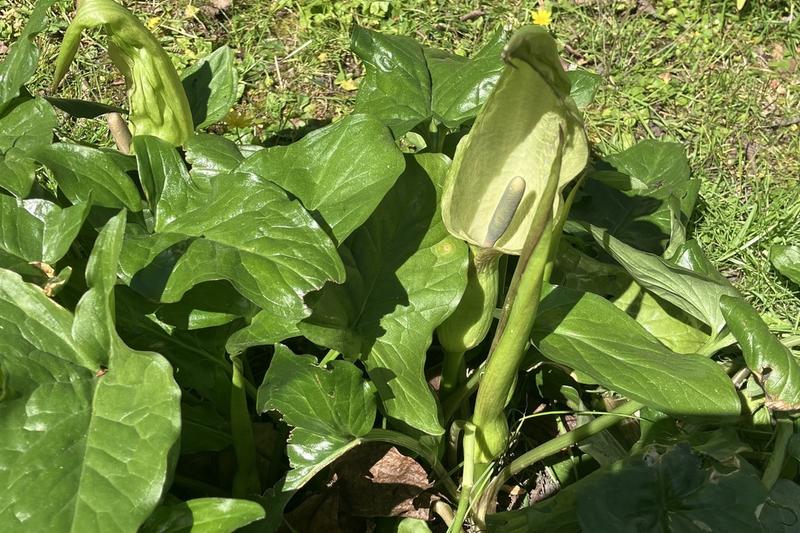
Quick facts
- Watering
- Minimal once established
- Sunlight
- Partial to full shade
- Soil
- Moist, humus-rich, well-drained
- Humans
- Toxic
- Cats
- Toxic
- Dogs
- Toxic
- Height
- 30–45 cm
- Spread
- 15–30 cm
- Spacing
- 20–30 cm apart
About Lords and Ladies
Lords and Ladies is a distinctive British native wildflower found in hedgerows and woodland edges throughout the UK. The plant produces a striking pale green spathe in spring that encloses a purple spadix, followed by a spike of bright orange-red berries in late summer. UK gardeners value it for naturalising in shady areas and supporting native wildlife, though it requires careful placement due to its toxicity. Its arrow-shaped leaves often bear dark purple spots, adding ornamental interest to woodland gardens.
UK fact: Lords and Ladies has been part of British folklore for centuries, with over 90 recorded common names including Cuckoo Pint, Jack-in-the-Pulpit, and Parson-in-the-Pulpit, reflecting its widespread presence across the British countryside and cultural significance in regional traditions.
Watering Lords and Ladies
This native wildflower is remarkably drought-tolerant once established, requiring watering only during prolonged dry periods in its first season. In typical UK conditions, natural rainfall provides sufficient moisture, particularly in shaded positions where soil remains cool and moist. Avoid waterlogging, as tubers may rot in poorly drained winter soils. During the summer dormancy period after berries form, the plant requires no supplementary watering.
Sunlight requirements
Lords and Ladies thrives in dappled shade beneath deciduous trees or along north-facing hedgerows, mimicking its natural woodland habitat. In UK gardens, avoid planting in full sun as the leaves will scorch during dry spells. East-facing positions work well, providing gentle morning light whilst protecting from harsh afternoon sun.
Soil and feeding
Lords and Ladies prefers fertile, moisture-retentive soil enriched with leaf mould or well-rotted compost, reflecting its woodland origins. It tolerates a wide pH range from slightly acidic to alkaline (pH 6.0-7.5), making it suitable for most UK gardens. The soil should drain freely to prevent tuber rot during winter, yet retain enough moisture to support spring growth. Heavy clay soils benefit from organic matter incorporation to improve structure.
Feeding is generally unnecessary for this native wildflower, as it thrives in naturally fertile woodland conditions. A light mulch of leaf mould or well-rotted compost applied in autumn provides sufficient nutrients whilst mimicking the plant's natural habitat.
Pruning Lords and Ladies
No pruning is required for Lords and Ladies. Allow the foliage to die back naturally in summer after the berries ripen, as this process replenishes the underground tuber for next year's growth. Remove spent flower spathes if you wish to prevent self-seeding, though the decorative berry spikes are often left for autumn interest. Clear away dead foliage in late summer once it has fully withered to maintain garden tidiness and reduce slug hiding places.
Propagating Lords and Ladies
Lords and Ladies spreads naturally by seed and division of tubers. Collect ripe orange berries in late summer (wearing gloves due to toxicity), remove the flesh, and sow seeds immediately in pots of gritty compost, keeping them outdoors over winter for cold stratification. Alternatively, divide established clumps in autumn when dormant, carefully separating offset tubers and replanting immediately at the same depth. Self-seeding is common in suitable conditions, with seedlings appearing around parent plants.
Common problems
Lords and Ladies is relatively trouble-free but can suffer from slug and snail damage to emerging spring foliage, particularly in damp conditions. The leaves may develop rust fungus in humid summers, appearing as orange pustules, though this rarely affects plant vigour. Aphids occasionally colonise the developing spathe but are usually controlled by natural predators. The main cultural issue is invasive spreading in favourable conditions, as the plant self-seeds freely and can become difficult to eradicate once established.
Spot a problem with your plant? Photograph the affected area using the Loam app and it will suggest the most likely cause and treatment.
Safety
- Humans
-
Toxic
All parts of Lords and Ladies are highly toxic if ingested, containing calcium oxalate crystals that cause severe burning and swelling of the mouth, throat, and digestive tract. The attractive berries are particularly dangerous to children. Handle with gloves and wash hands thoroughly after contact.
- Cats
-
Toxic
Toxic to cats. Ingestion causes severe oral irritation, excessive drooling, vomiting, and difficulty swallowing due to calcium oxalate crystals. Seek immediate veterinary attention if consumption is suspected.
- Dogs
-
Toxic
Toxic to dogs. Ingestion causes intense burning of the mouth, excessive drooling, vomiting, and difficulty swallowing. The bright berries are particularly attractive. Seek immediate veterinary attention if consumption occurs.
Toxicity information is for general guidance only. If a person or pet has been exposed to this plant and you are concerned, seek advice from a medical professional or vet.
Seasonal care calendar
Monthly care guide for Lords and Ladies in the UK, based on average conditions.
| Month | Care tasks |
|---|---|
| January | Plant is dormant underground. No action needed. |
| February | Plant is dormant underground. No action needed. |
| March | Arrow-shaped leaves begin emerging. Clear away any remaining debris from around plants. |
| April | Pale green spathes appear enclosing purple spadices. Monitor for slug damage on young foliage. |
| May | Flowering continues. Pollination occurs by small flies attracted to the spadix. |
| June | Spathes fade and berry clusters begin developing. Foliage remains lush. |
| July | Berries ripen to bright orange-red. Foliage begins to yellow and die back. |
| August | Berry spikes fully ripe. Remove dead foliage once completely withered. Collect berries for propagation if desired. |
| September | Plant enters dormancy. Divide established clumps if required. |
| October | Plant is dormant. Apply leaf mould mulch around planting areas. |
| November | Plant is dormant underground. No action needed. |
| December | Plant is dormant underground. No action needed. |
Frequently asked questions
- Is Lords and Ladies poisonous to touch?
- The plant is not poisonous to touch for most people, but the sap can cause skin irritation in sensitive individuals. All parts are highly toxic if ingested, particularly the attractive orange berries. Always wear gloves when handling and wash hands thoroughly afterwards, and site the plant away from areas where children or pets play.
- Why are my Lords and Ladies leaves turning yellow in summer?
- Lords and Ladies naturally dies back in mid to late summer after fruiting, entering dormancy until the following spring. This yellowing and withering is normal seasonal behaviour. The Loam app can help you track this cycle and distinguish natural dormancy from problems requiring attention.
- Can I grow Lords and Ladies in a container?
- Whilst possible, Lords and Ladies is best grown in the ground where it can naturalise. If container-growing, use a deep pot (at least 30cm) with excellent drainage, plant tubers 10cm deep in loam-based compost, and position in shade. The plant will be less vigorous than in open ground and requires more careful watering management.
Got a question about growing Lords and Ladies that isn't covered here? Ask the Garden Advisor in the Loam app. It knows your saved plants and local conditions.
Related plants
This page was compiled with AI assistance and reviewed by our team. .