Toadflax
Linaria purpurea
Perennials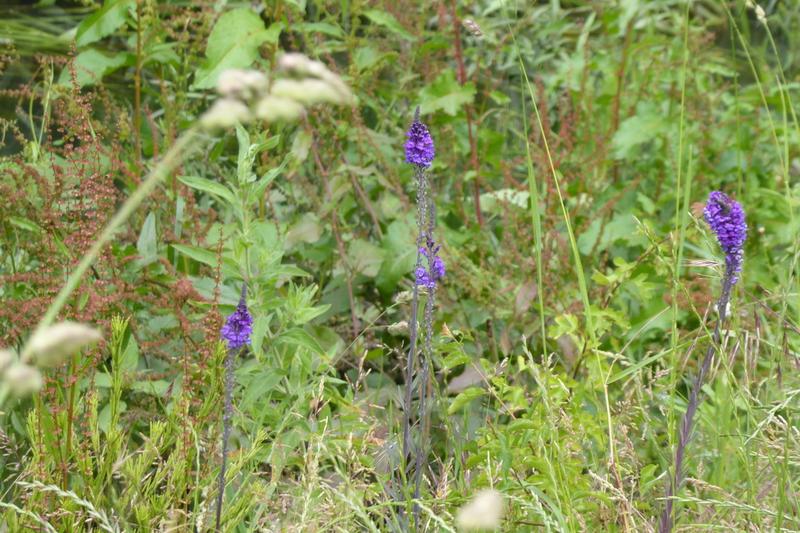
Quick facts
- Watering
- Fortnightly once established
- Sunlight
- Full sun to partial shade
- Soil
- Well-drained, moderately fertile
- Humans
- Unknown
- Cats
- Unknown
- Dogs
- Unknown
- Height
- 60–90 cm
- Spread
- 30–45 cm
- Spacing
- 30–40 cm apart
- RHS recognition
- Award of Garden Merit
About Toadflax
Toadflax is a graceful perennial native to Italy that has naturalised beautifully across the UK. It produces slender spires of purple snapdragon-like flowers from early summer through to autumn, reaching 60–90 cm tall. British gardeners prize it for its long flowering season, self-seeding habit, and ability to soften borders and cottage garden schemes. The delicate blooms attract bees and butterflies whilst requiring minimal maintenance once established.
UK fact: Linaria purpurea 'Canon Went' received the RHS Award of Garden Merit and was named after a Canon J. Went of Colchester, who discovered this pale pink sport in his Essex garden in the 1950s.
Watering Toadflax
Water newly planted toadflax weekly during the first growing season to establish a deep root system. Once established, plants are remarkably drought-tolerant and typically require watering only during prolonged dry spells in summer. In heavy clay soils common across much of the UK, avoid overwatering as this can lead to root rot. Container-grown specimens need more frequent watering, approximately twice weekly during warm weather.
Sunlight requirements
Toadflax performs best in full sun, producing the most abundant flower spikes in open positions. It tolerates partial shade, particularly in southern England where afternoon shade prevents stress during hot summers. In north-facing borders or under light tree canopy, flowering may be reduced but plants remain healthy and self-seed readily.
Soil and feeding
Toadflax thrives in well-drained soil and tolerates a wide range of conditions from sandy to chalky substrates. It performs best in neutral to slightly alkaline soil (pH 6.5–7.5), making it ideal for gardens on chalk or limestone. Poor to moderately fertile soil is preferable; overly rich soil encourages lush foliage at the expense of flowers and can reduce the plant's natural resilience. Improve drainage in heavy clay by incorporating grit or sharp sand before planting.
Toadflax requires minimal feeding and often performs better without supplementary fertiliser. If growing in very poor soil or containers, apply a light dressing of general-purpose fertiliser in early spring. Avoid high-nitrogen feeds which promote soft growth prone to flopping and reduce flowering.
Pruning Toadflax
Deadhead spent flower spikes regularly throughout summer to prolong blooming and prevent excessive self-seeding, though many gardeners allow some seedheads to develop for natural propagation. Cut back the entire plant to basal growth in late autumn or early spring to maintain a tidy appearance and encourage vigorous new growth. Toadflax can become leggy by midsummer; shearing back by one-third in July promotes fresh foliage and a second flush of flowers in autumn.
Propagating Toadflax
Toadflax self-seeds freely in UK gardens, often appearing in gravel paths and between paving stones where drainage is excellent. Collect seed in late summer and sow directly outdoors in autumn or spring, barely covering with compost as light aids germination. Alternatively, divide established clumps in spring, though the tap root makes division challenging and plants often resent disturbance. Seedlings transplant easily when small and will typically flower in their second year.
Common problems
Toadflax is largely trouble-free in UK gardens with few serious pest or disease issues. Aphids occasionally colonise young growth in spring but rarely cause lasting damage and are quickly controlled by natural predators. In very wet winters or poorly drained soil, crown rot can occur, causing plants to collapse; ensure good drainage to prevent this. The main cultural issue is excessive self-seeding, which some gardeners find invasive, though unwanted seedlings are easily removed when young.
Spot a problem with your plant? Photograph the affected area using the Loam app and it will suggest the most likely cause and treatment.
Safety
- Humans
-
Unknown
No confirmed toxicity data available for Linaria purpurea; avoid ingestion as a precaution.
- Cats
-
Unknown
No confirmed toxicity data available; monitor pets and contact a vet if ingestion occurs.
- Dogs
-
Unknown
No confirmed toxicity data available; monitor pets and contact a vet if ingestion occurs.
Toxicity information is for general guidance only. If a person or pet has been exposed to this plant and you are concerned, seek advice from a medical professional or vet.
Seasonal care calendar
Monthly care guide for Toadflax in the UK, based on average conditions.
| Month | Care tasks |
|---|---|
| January | No action needed; plants are dormant with minimal basal foliage. |
| February | Cut back old stems if not done in autumn, removing dead growth to ground level. |
| March | Apply light mulch around plants and sow seed outdoors in prepared beds. |
| April | New growth emerges; transplant self-sown seedlings to desired positions. |
| May | Stake tall varieties if needed and water newly planted specimens weekly. |
| June | Flowering begins; deadhead regularly to prolong display and control seeding. |
| July | Continue deadheading; cut back leggy plants by one-third for autumn rebloom. |
| August | Peak flowering period; collect seed if desired for propagation or sharing. |
| September | Flowering continues; allow some seedheads to develop for self-seeding. |
| October | Flowering finishes; cut back spent stems or leave for winter structure. |
| November | Tidy plants by removing dead foliage if preferred, or leave until spring. |
| December | No action needed; plants are dormant and fully hardy. |
Frequently asked questions
- Is toadflax invasive in UK gardens?
- Toadflax self-seeds freely and can spread vigorously in favourable conditions, particularly in gravel and well-drained borders. Whilst not officially invasive, it may become a nuisance in small gardens. Deadhead regularly to control seeding, and remove unwanted seedlings whilst young. Many gardeners appreciate its ability to fill gaps and naturalise in cottage garden schemes.
- Why is my toadflax not flowering well?
- Poor flowering is usually caused by overly rich soil, insufficient sunlight, or lack of deadheading. Toadflax blooms best in lean, well-drained soil and full sun. The Loam app can help you track flowering patterns, set deadheading reminders, and diagnose site-specific issues affecting your plants' performance.
- Can I grow toadflax in containers?
- Yes, toadflax grows well in containers provided they have excellent drainage. Use a loam-based compost with added grit, and choose pots at least 25 cm deep to accommodate the tap root. Container plants need more frequent watering than those in borders but still prefer to dry out slightly between waterings. Repot every 2–3 years in spring.
Got a question about growing Toadflax that isn't covered here? Ask the Garden Advisor in the Loam app. It knows your saved plants and local conditions.
Related plants
This page was compiled with AI assistance and reviewed by our team. .