Lily
Lilium
Bulbs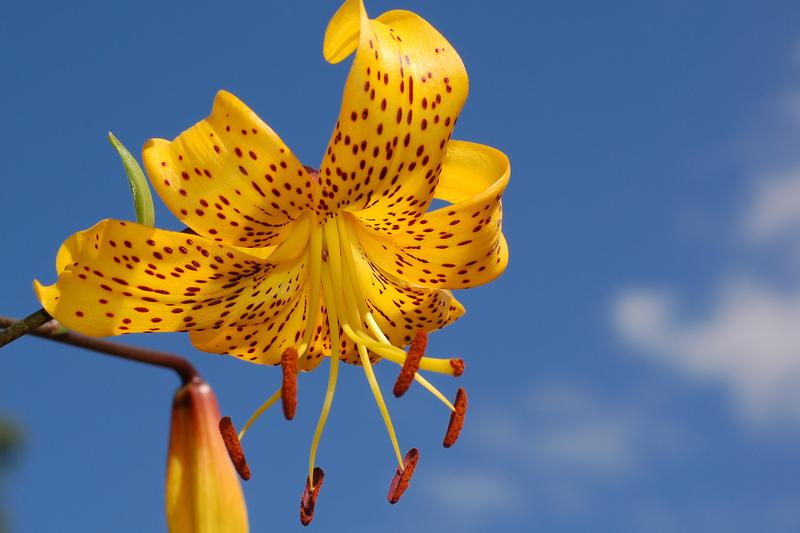
Quick facts
- Watering
- Weekly during growing season
- Sunlight
- Full sun to partial shade
- Soil
- Well-drained, fertile, neutral to acidic
- Humans
- Toxic
- Cats
- Toxic
- Dogs
- Toxic
- Height
- 60–180 cm
- Spread
- 30–45 cm
- Spacing
- 30–40 cm apart
- RHS recognition
- Award of Garden Merit
About Lily
Lilies are spectacular summer-flowering bulbs renowned for their large, often fragrant blooms in shades of white, pink, orange, red, and yellow. Native to temperate regions of the Northern Hemisphere, these elegant perennials have been cultivated for centuries and remain amongst the most popular garden plants. UK gardeners prize lilies for their architectural presence in borders, their excellence as cut flowers, and their ability to thrive in containers on patios and balconies. With proper care, established lily bulbs will return year after year, often increasing in vigour and flower production.
UK fact: Many Lilium species and hybrids hold the RHS Award of Garden Merit, with Oriental and Asiatic hybrids being particularly well-suited to British gardens, where the cool summers prevent bulbs from overheating and the moderate climate supports strong growth.
Watering Lily
Water lilies regularly from spring emergence through flowering, providing approximately 2.5 cm of water weekly during dry spells. The British climate usually provides adequate moisture, but container-grown lilies and those in free-draining soil require supplementary watering during summer dry periods. Avoid overhead watering which can encourage botrytis; instead, water at soil level in the morning to allow foliage to dry before evening. After flowering ceases, gradually reduce watering to allow bulbs to enter dormancy naturally.
Sunlight requirements
Position lilies where they receive at least six hours of direct sunlight daily, ideally with a south or west-facing aspect in UK gardens. The traditional advice of 'head in the sun, feet in the shade' works perfectly in British borders, where companion planting with low shrubs or perennials protects bulbs from overheating. In warmer southern counties, light afternoon shade can prevent flower colours from fading prematurely.
Soil and feeding
Plant lilies in fertile, humus-rich soil with a pH between 5.5 and 6.5, though most tolerate neutral conditions. Drainage is critical; bulbs will rot in heavy clay unless the soil is improved with horticultural grit and organic matter, or lilies are planted on a slight mound. Work well-rotted compost or leaf mould into the planting area to improve both drainage and fertility. For container cultivation, use a loam-based compost such as John Innes No. 2 mixed with additional grit.
Begin feeding when shoots emerge in spring, using a balanced liquid fertiliser initially, then switching to a high-potash tomato feed once flower buds appear. Continue feeding for six weeks after flowering finishes to allow bulbs to store energy for next season's display. A spring mulch of well-rotted compost or leaf mould provides slow-release nutrients and helps retain soil moisture.
Pruning Lily
Remove individual flowers as they fade, cutting just below the bloom to prevent energy being diverted into seed production. Leave the main stem and all foliage in place, as these continue photosynthesising to replenish the bulb for next year. Only cut stems down to ground level once they have turned completely yellow or brown in late autumn. For cut flowers, take no more than one-third of the stems from any clump to ensure bulbs can regenerate adequately.
Propagating Lily
The easiest propagation method is division of congested clumps in autumn, carefully separating offset bulbs and replanting immediately. Scale propagation involves removing individual scales from healthy bulbs in September, dusting with fungicide, and placing in bags of moist vermiculite at 15-18°C until bulblets form. Some Asiatic lilies produce bulbils in leaf axils which can be collected when ripe and sown in pots. Lily bulbs resent disturbance, so propagate only when necessary and handle carefully to avoid damage.
Common problems
Lily beetle (Lilioceris lilii) is the most serious pest in UK gardens, with both bright red adults and their excrement-covered larvae causing severe defoliation if unchecked; inspect plants daily from April onwards and remove by hand. Botrytis (grey mould) can affect flowers and foliage in damp conditions, particularly in overcrowded plantings with poor air circulation. Viruses transmitted by aphids cause mottled foliage and distorted growth; remove affected plants immediately to prevent spread. Slugs may damage emerging shoots in spring, whilst mice and squirrels occasionally dig up and eat bulbs during winter.
Spot a problem with your plant? Photograph the affected area using the Loam app and it will suggest the most likely cause and treatment.
Safety
- Humans
-
Toxic
All parts of lilies can cause stomach upset if ingested, though serious poisoning is rare. Handle bulbs with care and wash hands after contact.
- Cats
-
Toxic
Extremely toxic to cats; ingestion of any part, including pollen, can cause fatal kidney failure. Keep lilies away from homes with cats.
- Dogs
-
Toxic
Mildly toxic to dogs, causing vomiting and diarrhoea if ingested. Seek veterinary advice if consumption is suspected.
Toxicity information is for general guidance only. If a person or pet has been exposed to this plant and you are concerned, seek advice from a medical professional or vet.
Seasonal care calendar
Monthly care guide for Lily in the UK, based on average conditions.
| Month | Care tasks |
|---|---|
| January | No action needed; bulbs are dormant underground. |
| February | Check stored bulbs for rot if kept in pots over winter; ensure soil is not waterlogged. |
| March | Plant new bulbs as soon as soil is workable; apply slug pellets or barriers as shoots begin to emerge. |
| April | Watch for lily beetle from mid-month onwards; begin liquid feeding as stems develop and stake tall varieties. |
| May | Continue lily beetle patrols and remove larvae; water during dry spells and apply mulch to keep roots cool. |
| June | Deadhead early-flowering Asiatic varieties; switch to high-potash feed as Oriental lilies come into bud. |
| July | Peak flowering period; deadhead regularly, continue feeding, and maintain vigilance against lily beetle. |
| August | Deadhead late varieties; continue feeding for six weeks after flowering to build up bulbs for next year. |
| September | Stop feeding; allow foliage to die back naturally. Propagate by scales or collect bulbils from Asiatic varieties. |
| October | Plant new bulbs for next year; divide congested clumps and replant immediately. Cut down yellowed stems. |
| November | Finish planting new bulbs before soil becomes too cold and wet; apply mulch to protect bulbs in exposed sites. |
| December | No action needed; ensure containers are protected from excessive winter wet by moving under eaves. |
Frequently asked questions
- How do I control lily beetle organically?
- Inspect plants daily from April onwards, hand-picking both the bright red adults and the brown larvae covered in excrement. Squash them or drop into soapy water. Early morning checks are most effective as beetles are sluggish when cool. Companion planting with alliums may offer some deterrence.
- Why are my lily buds turning brown and failing to open?
- This is typically caused by botrytis fungus, encouraged by damp conditions and poor air circulation. Improve spacing between plants, avoid overhead watering, and remove affected buds immediately. In wet summers, consider applying a fungicide preventatively. The Loam app can help you diagnose fungal problems early by analysing photos of affected plants and sending you timely reminders for preventative treatments based on weather conditions in your area.
- When should I deadhead lilies after flowering?
- Deadhead lilies as soon as flowers fade by removing just the spent blooms and seed pods, but leave the stem and foliage intact. The leaves continue photosynthesising to build up the bulb for next year's display. Only cut stems down to ground level once they've turned completely yellow and brown in autumn, typically from September onwards.
Got a question about growing Lily that isn't covered here? Ask the Garden Advisor in the Loam app. It knows your saved plants and local conditions.
Related plants
This page was compiled with AI assistance and reviewed by our team. .