Kirengeshoma
Kirengeshoma palmata
Perennials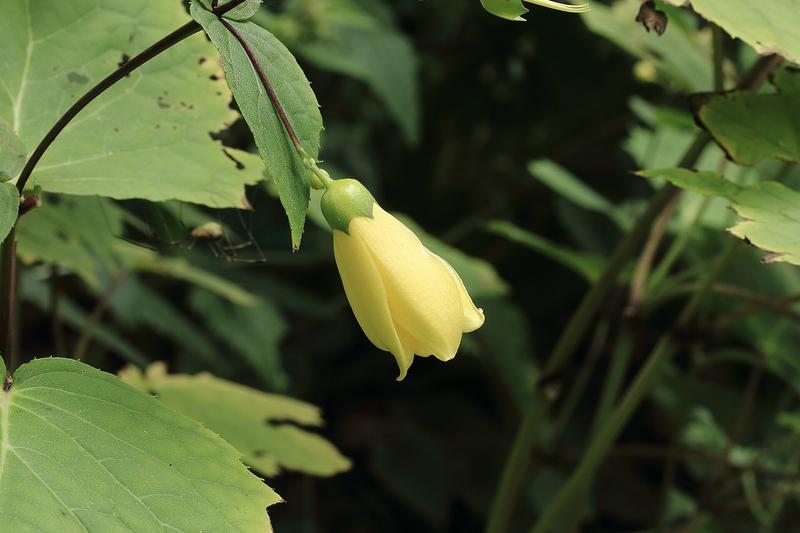
Quick facts
- Watering
- Weekly during dry spells
- Sunlight
- Partial to full shade
- Soil
- Rich, moist, acidic to neutral
- Humans
- Unknown
- Cats
- Unknown
- Dogs
- Unknown
- Height
- 90–120 cm
- Spread
- 60–75 cm
- Spacing
- 60–75 cm apart
- RHS recognition
- Award of Garden Merit
About Kirengeshoma
Kirengeshoma is an elegant woodland perennial native to Japan and Korea, prized for its architectural maple-like foliage and nodding pale yellow bell-shaped flowers that appear in late summer. Growing to around 120 cm tall, this shade-loving plant brings a refined, oriental aesthetic to damp, shaded borders and woodland gardens. UK gardeners value it for its ability to thrive in challenging shady spots where few other perennials flower so late in the season, providing interest when many plants are fading.
UK fact: Kirengeshoma palmata received the RHS Award of Garden Merit in 1993, recognising its outstanding performance in British gardens, particularly in the cool, moist conditions of Scotland and northern England where it flourishes.
Watering Kirengeshoma
Keep the soil consistently moist throughout the growing season, as kirengeshoma dislikes drought and will wilt if allowed to dry out. Water weekly during dry periods, increasing frequency during hot summer weather. In typical British summers with regular rainfall, established plants may need little supplemental watering except during prolonged dry spells. Mulch around the base to help retain moisture and keep roots cool.
Sunlight requirements
Kirengeshoma performs best in partial to full shade, making it ideal for north-facing borders or beneath deciduous trees. In the UK, avoid planting in full sun as the foliage can scorch, particularly in southern regions during hot summers. Morning sun with afternoon shade is acceptable in cooler northern areas, but consistent shade produces the most luxuriant foliage.
Soil and feeding
Kirengeshoma thrives in humus-rich, moisture-retentive soil with good drainage, ideally with a pH between 5.5 and 7.0. Incorporate plenty of leaf mould, well-rotted compost, or composted bark before planting to improve both moisture retention and soil structure. The plant naturally grows in woodland conditions, so replicate this with organic matter that mimics forest floor conditions. Avoid heavy clay that becomes waterlogged in winter, as this can cause root rot.
Apply a balanced slow-release fertiliser in early spring as new growth emerges, or mulch annually with a 5 cm layer of well-rotted compost or leaf mould. Avoid high-nitrogen feeds which promote foliage at the expense of flowers. A light top-dressing of blood, fish and bone in March provides sufficient nutrients for the season.
Pruning Kirengeshoma
Kirengeshoma requires minimal pruning and is best left to die back naturally in autumn. Cut back the dead stems to ground level in late winter or early spring (February to March) before new growth appears. Remove any damaged or diseased foliage during the growing season. Avoid cutting back in autumn as the stems provide winter interest and protect the crown from severe frost.
Propagating Kirengeshoma
Kirengeshoma is most easily propagated by division in early spring (March to April) just as new shoots emerge. Carefully lift established clumps and divide them into sections, ensuring each piece has several growing points and a good root system. Replant divisions immediately at the same depth, water well, and keep moist until established. Seed propagation is possible but slow; sow fresh seed in autumn in a cold frame, though germination can be erratic and seedlings take several years to reach flowering size.
Common problems
Kirengeshoma is relatively trouble-free in UK gardens, with few serious pest or disease problems. Slugs and snails can damage emerging shoots in spring, so apply organic slug pellets or use beer traps around new growth. The plant may suffer from leaf scorch if exposed to too much sun or allowed to dry out during hot weather. In poorly drained soils, crown rot can occur over winter, so ensure adequate drainage when planting. Occasionally, vine weevil larvae may attack the roots, causing wilting; treat with biological controls if detected.
Spot a problem with your plant? Photograph the affected area using the Loam app and it will suggest the most likely cause and treatment.
Safety
- Humans
-
Unknown
No documented toxicity data available for Kirengeshoma palmata; treat with caution and avoid ingestion.
- Cats
-
Unknown
No documented toxicity data available; keep pets from chewing foliage as a precaution.
- Dogs
-
Unknown
No documented toxicity data available; keep pets from chewing foliage as a precaution.
Toxicity information is for general guidance only. If a person or pet has been exposed to this plant and you are concerned, seek advice from a medical professional or vet.
Seasonal care calendar
Monthly care guide for Kirengeshoma in the UK, based on average conditions.
| Month | Care tasks |
|---|---|
| January | No action needed; plant is fully dormant. |
| February | Cut back dead stems to ground level before new growth emerges. |
| March | Apply slow-release fertiliser or mulch with compost. Divide established clumps if required. |
| April | Watch for emerging shoots and protect from slugs and snails. Water if conditions are dry. |
| May | Ensure soil remains moist as foliage develops. Apply mulch to retain moisture. |
| June | Water regularly during dry spells. Monitor for any signs of leaf scorch. |
| July | Continue watering to maintain moist soil. Flower buds begin to form. |
| August | Enjoy the pale yellow bell-shaped flowers. Maintain consistent moisture. |
| September | Flowering continues into early autumn. Deadhead spent blooms if desired. |
| October | Allow foliage to die back naturally. Reduce watering as growth slows. |
| November | Leave dead stems standing to protect the crown over winter. |
| December | No action needed; plant is dormant. |
Frequently asked questions
- Why is my kirengeshoma not flowering?
- Kirengeshoma may fail to flower if planted in too much sun, allowed to dry out, or grown in poor soil. Ensure it's in partial to full shade with consistently moist, humus-rich soil. Plants also need time to establish and may not flower well in their first year. Feed with a balanced fertiliser in spring and avoid high-nitrogen feeds that promote foliage over blooms.
- How do I know when my kirengeshoma needs watering?
- Kirengeshoma wilts noticeably when too dry, with leaves drooping and losing their crisp appearance. The Loam app can send you personalised watering reminders based on your local weather conditions and soil type, helping you maintain the consistent moisture this plant needs without guesswork.
- Can kirengeshoma grow in full sun in the UK?
- Kirengeshoma is not suited to full sun in most of the UK, as the foliage will scorch and the plant will struggle, particularly in southern regions. It performs best in partial to full shade where the soil stays cooler and more moist. In Scotland and northern England, it may tolerate morning sun with afternoon shade, but consistent shade produces the healthiest plants.
Got a question about growing Kirengeshoma that isn't covered here? Ask the Garden Advisor in the Loam app. It knows your saved plants and local conditions.
Related plants
This page was compiled with AI assistance and reviewed by our team. .