Inula
Inula magnifica
Perennials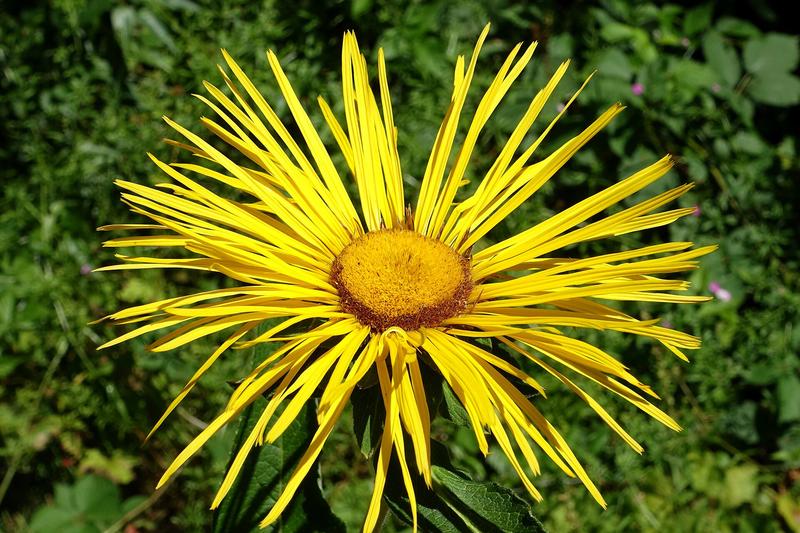
Quick facts
- Watering
- Weekly during dry spells
- Sunlight
- Full sun to partial shade
- Soil
- Rich, moisture-retentive, well-drained
- Humans
- Unknown
- Cats
- Unknown
- Dogs
- Unknown
- Height
- 150–200 cm
- Spread
- 90–120 cm
- Spacing
- 100–120 cm apart
- RHS recognition
- Award of Garden Merit
About Inula
Inula magnifica is a statuesque herbaceous perennial native to the Caucasus, prized by UK gardeners for its dramatic presence in the back of borders. Growing up to 2 metres tall, it produces large, coarse leaves and bright golden-yellow daisy-like flowers in mid to late summer. This architectural plant thrives in British gardens, particularly in cottage garden schemes and naturalistic plantings where its bold form creates a striking focal point. Its tolerance of our damp summers and hardy nature make it an excellent choice for UK conditions.
UK fact: Inula magnifica holds the RHS Award of Garden Merit and performs exceptionally well in the cooler, damper regions of northern England and Scotland, where its moisture-loving nature is perfectly suited to the climate.
Watering Inula
This moisture-loving perennial requires consistent watering, especially during establishment and dry periods. Water deeply once or twice weekly during summer droughts, ensuring the soil remains evenly moist but not waterlogged. Established plants in moisture-retentive soil cope better with dry spells, but prolonged drought causes leaf wilting and reduced flowering. Mulching around the base helps retain soil moisture during the growing season.
Sunlight requirements
Inula magnifica performs best in full sun but tolerates partial shade, particularly in southern UK gardens where afternoon shade can prevent leaf scorch during hot spells. In northern regions, a south or west-facing position maximises flowering potential. Avoid deep shade, which causes weak, floppy growth and reduces flower production.
Soil and feeding
Inula magnifica thrives in fertile, humus-rich soil that retains moisture without becoming waterlogged. Incorporate generous amounts of well-rotted manure or garden compost before planting to improve soil structure and nutrient content. It tolerates a wide pH range from slightly acidic to neutral (pH 6.0-7.5). Heavy clay soils are suitable provided they don't become waterlogged in winter; improve drainage on very heavy ground by adding grit or planting on a slight mound.
Apply a balanced general-purpose fertiliser such as blood, fish and bone in early spring as new growth emerges. A second feed with a potassium-rich fertiliser in early summer encourages robust flowering. Mulch annually with well-rotted compost or manure to maintain soil fertility.
Pruning Inula
Cut back all stems to ground level in late autumn once foliage has died back, or leave standing through winter for structural interest and wildlife value, cutting back in early spring before new growth appears. Deadhead spent flowers to maintain a tidy appearance, though this won't encourage further blooms. Tall stems may require staking in exposed positions; install supports in spring before the plant reaches full height to avoid damage.
Propagating Inula
Propagate Inula magnifica by division in early spring as new shoots emerge, or in autumn after flowering. Lift established clumps carefully with a fork and divide into sections, ensuring each has several healthy shoots and a good root system. Replant divisions immediately at the same depth, spacing them 100-120 cm apart. Seed can be sown in spring, but division is more reliable and produces flowering plants more quickly.
Common problems
Inula magnifica is generally trouble-free but can suffer from powdery mildew in dry conditions or where air circulation is poor, appearing as white powdery patches on leaves. Slugs and snails may damage emerging shoots in spring; protect young growth with organic slug pellets or barriers. Aphids occasionally colonise flower buds and young stems but rarely cause serious harm. In very wet winters, crown rot can occur on poorly drained soils, so ensure adequate drainage at planting time.
Spot a problem with your plant? Photograph the affected area using the Loam app and it will suggest the most likely cause and treatment.
Safety
- Humans
-
Unknown
No confirmed toxicity data available for Inula magnifica. Handle with care and avoid ingestion.
- Cats
-
Unknown
No confirmed toxicity data available. Keep pets from chewing foliage as a precaution.
- Dogs
-
Unknown
No confirmed toxicity data available. Keep pets from chewing foliage as a precaution.
Toxicity information is for general guidance only. If a person or pet has been exposed to this plant and you are concerned, seek advice from a medical professional or vet.
Seasonal care calendar
Monthly care guide for Inula in the UK, based on average conditions.
| Month | Care tasks |
|---|---|
| January | No action needed; plant is fully dormant. |
| February | Check supports are in place ready for spring growth. |
| March | Apply balanced fertiliser as new shoots emerge. Divide established clumps if required. |
| April | Mulch around the base with compost. Water during dry spells. |
| May | Install stakes for support in exposed positions. Continue watering if dry. |
| June | Apply potassium-rich feed to encourage flowering. Water regularly. |
| July | Enjoy the golden flowers. Deadhead spent blooms. Water during dry weather. |
| August | Continue deadheading. Maintain watering during dry spells. |
| September | Flowering finishes. Reduce watering as growth slows. Divide plants if needed. |
| October | Cut back faded foliage or leave for winter structure and wildlife. |
| November | Complete cutting back if not done earlier. Tidy around the base. |
| December | No action needed; plant is dormant. |
Frequently asked questions
- When does Inula magnifica flower in the UK?
- Inula magnifica flowers from mid-July through August in UK gardens, producing bright golden-yellow daisy-like blooms up to 15 cm across. Flowering time may vary slightly depending on your location and weather conditions, with northern gardens typically flowering a week or two later than southern regions.
- Why is my Inula not flowering well?
- Poor flowering in Inula is usually caused by insufficient sunlight, lack of nutrients, or drought stress during bud formation. The Loam app can help you track feeding schedules and watering reminders tailored to your local weather, ensuring your plant receives optimal care for abundant blooms.
- Does Inula magnifica need staking?
- Inula magnifica often needs staking in exposed or windy positions, as stems can reach 2 metres tall and may topple under their own weight. Install sturdy supports in spring before the plant reaches full height, using bamboo canes or metal plant supports, and tie stems loosely as they grow.
Got a question about growing Inula that isn't covered here? Ask the Garden Advisor in the Loam app. It knows your saved plants and local conditions.
Related plants
This page was compiled with AI assistance and reviewed by our team. .