Honesty
Lunaria annua
Annuals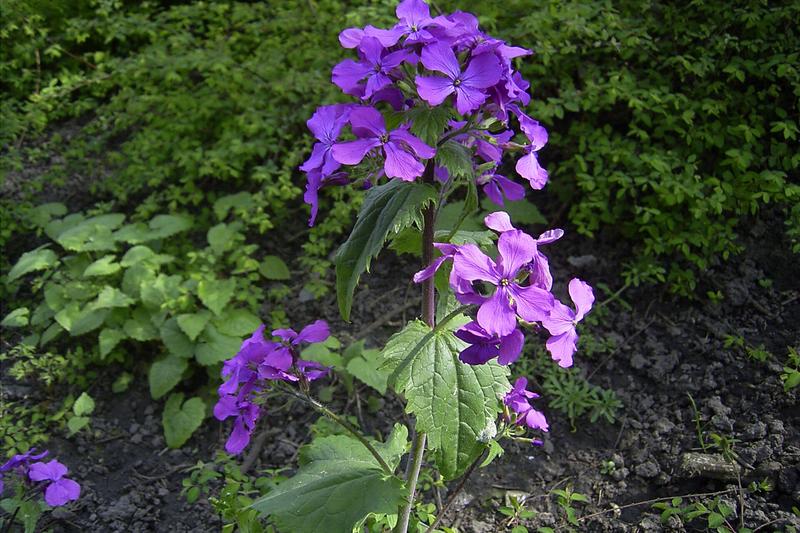
Quick facts
- Watering
- Weekly during dry spells
- Sunlight
- Partial shade to full sun
- Soil
- Well-drained, moderately fertile
- Humans
- Safe
- Cats
- Safe
- Dogs
- Safe
- Height
- 60–90 cm
- Spread
- 30–45 cm
- Spacing
- 30–40 cm apart
- RHS recognition
- Award of Garden Merit
About Honesty
Honesty is a charming biennial (despite its 'annua' name) grown primarily for its distinctive silvery, translucent seed pods that appear in late summer. Native to the Balkans and southwest Asia, it has naturalised widely across the UK and is a cottage garden favourite. The plant produces purple or white flowers in late spring, followed by the iconic flat, moon-like seed heads prized for dried flower arrangements. British gardeners value it for its ability to thrive in shady spots and self-seed reliably, creating drifts of colour in woodland gardens and borders.
UK fact: Honesty has been grown in British cottage gardens since the 16th century and was traditionally planted near doorways, as the silvery seed pods were believed to bring prosperity and honesty to the household.
Watering Honesty
Once established, honesty is remarkably drought-tolerant and rarely needs watering in typical UK conditions. During prolonged dry spells in spring and early summer, water weekly to support flowering and seed pod development. First-year plants benefit from regular watering until their root systems establish. Avoid overwatering, as honesty prefers slightly drier conditions and can suffer from fungal issues in waterlogged soil.
Sunlight requirements
Honesty performs best in partial shade, making it ideal for north-facing borders or beneath deciduous trees. In the UK, it tolerates full sun in cooler northern regions but may struggle in hot, dry southern gardens without adequate moisture. Plants grown in shadier positions often produce lusher foliage, whilst those in sunnier spots flower more prolifically.
Soil and feeding
Honesty thrives in most well-drained soils and is particularly unfussy about soil type, tolerating both clay and sandy conditions. It prefers a neutral to slightly alkaline pH (6.5-7.5) and performs well in moderately fertile ground. Avoid overly rich soils, which encourage leafy growth at the expense of flowers and seed pods. Adding organic matter to heavy clay improves drainage, whilst chalky soils suit this plant perfectly.
Honesty requires minimal feeding and often performs best without supplementary fertiliser. If growing in very poor soil, apply a light dressing of general-purpose fertiliser in early spring as growth begins. Avoid high-nitrogen feeds, which promote foliage over flowers and can reduce the quality of the decorative seed pods.
Pruning Honesty
Deadhead spent flowers if you wish to prevent self-seeding, though most gardeners leave the seed heads to develop for their ornamental value. Cut stems for drying in late summer once the outer casings of the seed pods turn brown and papery. After seed dispersal in autumn, cut plants back to ground level and compost the foliage. Allow some seed pods to remain if you want plants to self-seed for the following year.
Propagating Honesty
Honesty is easily grown from seed sown directly outdoors in late spring or early summer (May to July) where plants are to flower the following year. Scatter seeds thinly in prepared soil and cover lightly, keeping the area weed-free as seedlings establish. Alternatively, sow in modules under cover in late spring and transplant seedlings in autumn. Once established, honesty self-seeds freely, and seedlings can be transplanted whilst small to fill gaps in borders or given away to fellow gardeners.
Common problems
Honesty is generally trouble-free but can be affected by flea beetles, which create small holes in young leaves, though damage is usually cosmetic. Slugs and snails may attack seedlings in spring, so protect young plants with organic slug pellets or barriers. White blister (a fungal disease causing white pustules on leaves) occasionally occurs in damp conditions but rarely causes serious harm. Clubroot can affect honesty in infected soil, causing stunted growth, so avoid planting in areas where brassicas have previously suffered from this disease.
Spot a problem with your plant? Photograph the affected area using the Loam app and it will suggest the most likely cause and treatment.
Safety
- Humans
- Safe
- Cats
- Safe
- Dogs
- Safe
Toxicity information is for general guidance only.
Seasonal care calendar
Monthly care guide for Honesty in the UK, based on average conditions.
| Month | Care tasks |
|---|---|
| January | No action needed; plants are dormant or in rosette form. |
| February | No action needed; plants remain dormant. |
| March | Watch for emerging growth; clear away winter debris around established plants. |
| April | Flower buds begin to form; water during dry spells and apply light feed if needed. |
| May | Flowering begins; sow seeds outdoors for next year's display. |
| June | Peak flowering period; continue sowing seeds until mid-month. |
| July | Flowers fade and seed pods develop; final opportunity to sow seeds outdoors. |
| August | Seed pods mature and turn silvery; harvest stems for drying arrangements. |
| September | Collect ripe seeds for sowing or allow self-seeding; cut back spent stems. |
| October | Transplant self-sown seedlings to desired positions whilst still small. |
| November | Clear away remaining plant debris; mulch around young plants if desired. |
| December | No action needed; plants enter winter dormancy. |
Frequently asked questions
- Is honesty an annual or perennial?
- Despite its scientific name 'annua', honesty is actually a biennial. It grows foliage in its first year, then flowers, sets seed, and dies in its second year. However, it self-seeds so readily that established colonies appear perennial, with new plants replacing old ones each year.
- Why are my honesty seed pods not turning silvery?
- Seed pods need time to mature fully before the outer casings dry and fall away, revealing the silvery membrane. This typically happens in late summer to early autumn. Track your plant's progress in the Loam app to receive reminders for the optimal harvesting window and get personalised advice if pods aren't developing as expected.
- Can I grow honesty in a shady garden?
- Yes, honesty is one of the best choices for shady gardens and actually prefers partial shade to full sun in most UK locations. It thrives beneath deciduous trees and in north-facing borders where many other flowering plants struggle, making it invaluable for brightening darker corners.
Got a question about growing Honesty that isn't covered here? Ask the Garden Advisor in the Loam app. It knows your saved plants and local conditions.
Related plants
This page was compiled with AI assistance and reviewed by our team. .