Perennial Wallflower
Erysimum cheiri
Perennials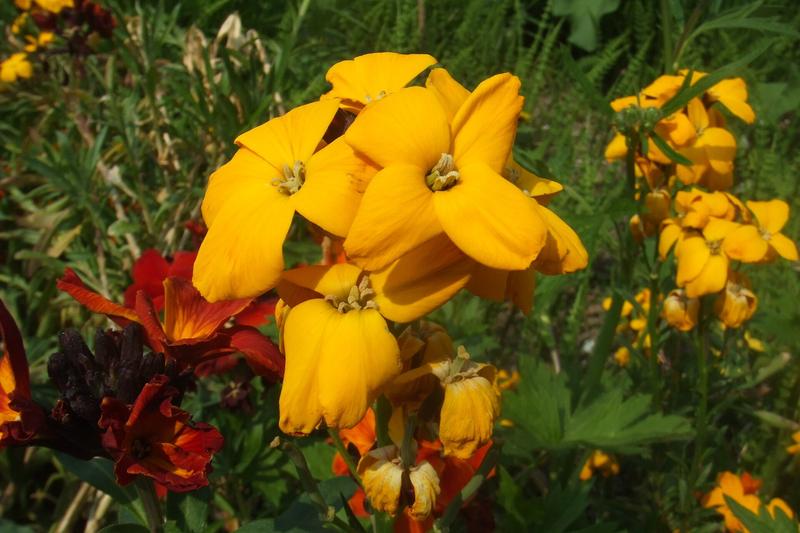
Quick facts
- Watering
- Weekly when establishing
- Sunlight
- Full sun
- Soil
- Well-drained, alkaline to neutral
- Humans
- Toxic
- Cats
- Toxic
- Dogs
- Toxic
- Height
- 30–60 cm
- Spread
- 30–45 cm
- Spacing
- 30–40 cm apart
About Perennial Wallflower
Perennial Wallflower is a short-lived evergreen perennial cherished for its intensely fragrant flowers in shades of yellow, orange, red, and burgundy that appear from spring into early summer. Native to southern Europe, it has been grown in British cottage gardens for centuries, often self-seeding in old walls and rocky crevices. UK gardeners value it for its early season colour, delicious clove-like scent, and ability to thrive in poor, well-drained soils where many other plants struggle. Though technically perennial, it is often treated as a biennial in British gardens for the best floral display.
UK fact: Perennial Wallflower has been a staple of British cottage gardens since medieval times, often found naturalised in the mortar of old castle walls and stone buildings across the UK, particularly in the Cotswolds and East Anglia.
Watering Perennial Wallflower
Once established, Perennial Wallflower is remarkably drought-tolerant and requires minimal watering, making it ideal for dry British summers. Water weekly during the first growing season to help roots establish, then reduce to occasional deep watering only during prolonged dry spells. Overwatering, particularly in winter, can lead to root rot and is the most common cause of plant failure in the UK. Plants growing in containers require more frequent watering, approximately twice weekly during active growth.
Sunlight requirements
Perennial Wallflower performs best in full sun, requiring at least six hours of direct sunlight daily to produce abundant, fragrant blooms. In the UK, a south-facing or west-facing position is ideal, though plants will tolerate light shade in warmer southern regions. Avoid planting in heavy shade, as this leads to leggy growth and significantly reduced flowering.
Soil and feeding
Perennial Wallflower thrives in poor to moderately fertile, well-drained soil with a pH of 6.5 to 7.5, making it perfect for chalky or limey soils common across much of southern England. Excellent drainage is essential, particularly in winter, so incorporate horticultural grit or sharp sand into heavy clay soils before planting. The plant actually performs better in lean soils, as overly rich conditions produce lush foliage at the expense of flowers. Raised beds, rockeries, and wall crevices provide ideal growing conditions.
Perennial Wallflower requires minimal feeding and actually flowers more profusely in lean soils. If growing in very poor soil or containers, apply a light dressing of general-purpose fertiliser in early spring, but avoid high-nitrogen feeds which promote leafy growth over blooms. Excessive feeding shortens the plant's lifespan and reduces flowering quality.
Pruning Perennial Wallflower
Deadhead spent flowers regularly throughout the blooming period to prolong flowering and maintain a tidy appearance. After the main flush of flowers in late spring, trim plants back by about one-third to encourage bushier growth and potentially a second, lighter flush of blooms in autumn. In early spring, remove any frost-damaged or dead growth. Because Perennial Wallflower becomes woody and leggy after two to three years, many UK gardeners replace plants rather than attempting hard renovation pruning.
Propagating Perennial Wallflower
Perennial Wallflower is easily propagated from semi-ripe cuttings taken in late summer (July to August), which root readily in a mix of equal parts compost and sharp sand. Alternatively, sow seeds in modules under cover in late spring or early summer for planting out in autumn, though named cultivars do not come true from seed. Many gardeners allow plants to self-seed naturally, with seedlings appearing in cracks and crevices around the parent plant. Transplant self-sown seedlings whilst small, as wallflowers develop a taproot and resent root disturbance when mature.
Common problems
Perennial Wallflower is susceptible to clubroot and other brassica diseases, as it belongs to the cabbage family, so avoid planting in soil previously used for brassicas. Flea beetles can damage young foliage in spring, creating small holes in leaves, though established plants usually tolerate this without intervention. Aphids occasionally colonise soft new growth and flower buds, particularly in warm, dry springs. In poorly drained soils or during wet winters, root and stem rot can occur, causing plants to collapse suddenly, which is why excellent drainage is critical for success in the UK climate.
Spot a problem with your plant? Photograph the affected area using the Loam app and it will suggest the most likely cause and treatment.
Safety
- Humans
-
Toxic
All parts of Perennial Wallflower contain cardiac glycosides and are toxic if ingested, potentially causing nausea, vomiting, and heart irregularities.
- Cats
-
Toxic
Toxic to cats if ingested, causing gastrointestinal upset and potential cardiac effects.
- Dogs
-
Toxic
Toxic to dogs if ingested, causing vomiting, diarrhoea, and potential cardiac complications.
Toxicity information is for general guidance only. If a person or pet has been exposed to this plant and you are concerned, seek advice from a medical professional or vet.
Seasonal care calendar
Monthly care guide for Perennial Wallflower in the UK, based on average conditions.
| Month | Care tasks |
|---|---|
| January | No action needed. Established plants remain evergreen through winter. |
| February | Remove any frost-damaged foliage on mild days. Check drainage around plants after heavy rain. |
| March | Apply light general-purpose feed if growing in containers. Tidy plants and remove winter debris. |
| April | Main flowering period begins. Deadhead spent blooms regularly to prolong display. |
| May | Peak flowering. Continue deadheading. Water young plants weekly if conditions are dry. |
| June | Trim back by one-third after main flowering flush. Sow seeds under cover for next year's plants. |
| July | Take semi-ripe cuttings for propagation. Continue light watering during dry spells. |
| August | Continue taking cuttings. Pot on rooted cuttings. Some plants may produce a second flush of flowers. |
| September | Plant out container-grown plants or rooted cuttings into final positions. |
| October | Transplant self-sown seedlings to desired locations. Reduce watering as temperatures drop. |
| November | Ensure good drainage around plants before winter. Avoid disturbing established plants. |
| December | No action needed. Plants remain evergreen and require minimal winter care. |
Frequently asked questions
- Why is my Perennial Wallflower not flowering?
- Insufficient sunlight is the most common cause, as wallflowers need at least six hours of direct sun daily. Overly rich soil or excessive nitrogen feeding promotes leafy growth at the expense of flowers. Plants older than three years become woody and flower poorly, so replace them with young plants or cuttings. Ensure soil is well-drained and avoid overwatering.
- How do I know when to water my Perennial Wallflower?
- Established wallflowers are drought-tolerant and need watering only during prolonged dry spells. The Loam app can send personalised watering reminders based on your local weather conditions and soil type, helping you avoid overwatering, which is more harmful than underwatering for this plant.
- Can Perennial Wallflower survive in containers?
- Yes, Perennial Wallflower grows well in containers provided they have excellent drainage. Use a gritty, loam-based compost such as John Innes No. 2 mixed with extra horticultural grit. Container plants require more frequent watering than those in the ground, approximately twice weekly during active growth, and benefit from a light feed in early spring.
Got a question about growing Perennial Wallflower that isn't covered here? Ask the Garden Advisor in the Loam app. It knows your saved plants and local conditions.
Related plants
This page was compiled with AI assistance and reviewed by our team. .