Stock
Matthiola incana
Annuals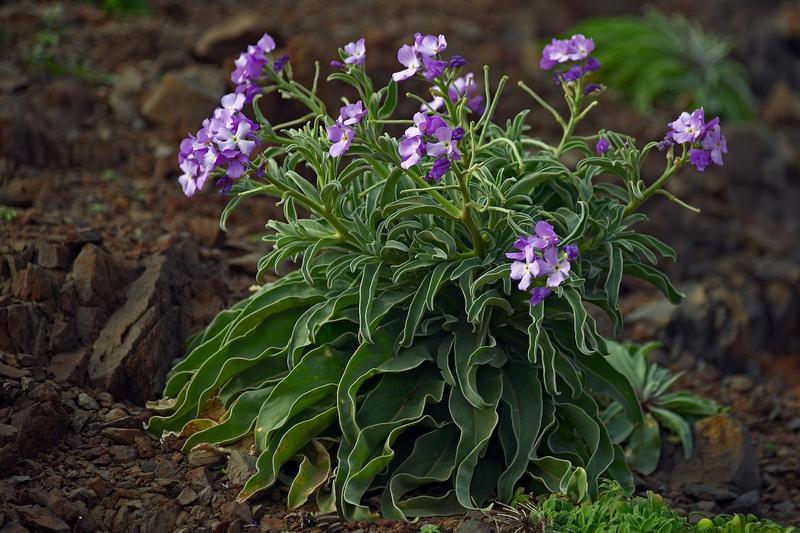
Quick facts
- Watering
- Weekly, more in dry spells
- Sunlight
- Full sun
- Soil
- Well-drained, fertile, alkaline
- Humans
- Unknown
- Cats
- Unknown
- Dogs
- Unknown
- Height
- 30–75 cm
- Spread
- 20–30 cm
- Spacing
- 20–30 cm apart
About Stock
Stock is a beloved cottage garden annual prized for its intensely fragrant, densely packed flower spikes in shades of pink, purple, white, and cream. Native to the Mediterranean, this old-fashioned favourite has been cultivated in British gardens since the 16th century. UK gardeners cherish stock for its powerful clove-like scent that perfumes evening gardens and its excellent performance as a cut flower. The grey-green foliage and upright habit make it ideal for borders, containers, and traditional bedding schemes.
UK fact: Stock was a favourite of Tudor gardeners and features in Thomas Tusser's 1557 'Five Hundred Points of Good Husbandry', one of the earliest English gardening texts, where it was recommended for its 'sweet and pleasant smell'.
Watering Stock
Water stock regularly during dry periods, providing approximately 2.5 cm of water weekly. Young plants and those in containers require more frequent watering, potentially every 2-3 days during warm summer weather. Established plants are moderately drought-tolerant but produce better blooms with consistent moisture. Avoid overhead watering to prevent fungal diseases; water at the base of plants in the morning to allow foliage to dry before evening.
Sunlight requirements
Position stock in a sunny spot receiving at least six hours of direct sunlight daily for best flowering and scent production. In the UK, south-facing or west-facing borders are ideal. Plants tolerate light afternoon shade in warmer southern regions, but fragrance and flower quality diminish in shadier positions.
Soil and feeding
Prepare beds with plenty of well-rotted compost or manure before planting, as stock appreciates rich, fertile conditions. The ideal pH is between 6.5 and 7.5, with stock performing particularly well in slightly alkaline soils. Good drainage is essential to prevent root rot, especially during wet British winters. On heavy clay soils, incorporate horticultural grit and organic matter, or grow stock in raised beds or containers filled with quality multi-purpose compost.
Apply a general-purpose liquid feed every two weeks from the onset of flowering to encourage continuous blooming throughout summer. Alternatively, incorporate a slow-release granular fertiliser into the soil at planting time. Avoid high-nitrogen feeds which promote leafy growth at the expense of flowers.
Pruning Stock
Remove faded flower spikes promptly by cutting back to a lower set of leaves to encourage side shoots and further blooms. This regular deadheading can extend the flowering period by several weeks. Pinch out the growing tips of young plants when they reach 10-15 cm tall to promote bushier growth and more flower spikes. At the end of the season, pull up and compost spent plants as they rarely overwinter successfully in most UK gardens.
Propagating Stock
Sow stock seeds from February to April under cover for early summer flowers, or in September for spring blooms the following year. Seeds germinate best at temperatures between 15-18°C and typically sprout within 7-14 days. For the best fragrance, select double-flowered varieties, though note that only about 60-80% of seedlings will produce double blooms. Autumn-sown stock requires cloche or cold frame protection over winter in most UK regions.
Common problems
Stock can be affected by flea beetles, which create small holes in young leaves; protect seedlings with horticultural fleece if damage is severe. Clubroot is a serious problem in brassica family members including stock, causing swollen, distorted roots and stunted growth; improve drainage and avoid planting in previously infected soil. Downy mildew and grey mould (botrytis) may occur in damp, humid conditions, particularly with overhead watering or poor air circulation. Aphids occasionally cluster on young growth and flower buds; control with organic sprays or encourage natural predators.
Spot a problem with your plant? Photograph the affected area using the Loam app and it will suggest the most likely cause and treatment.
Safety
- Humans
-
Unknown
Stock is not commonly listed as toxic, but ingestion is not recommended. Some individuals may experience skin irritation from handling the plant.
- Cats
-
Unknown
Toxicity to cats is not well documented, but ingestion may cause mild gastrointestinal upset. Monitor pets around stock plants.
- Dogs
-
Unknown
Toxicity to dogs is not well documented, but ingestion may cause mild gastrointestinal upset. Monitor pets around stock plants.
Toxicity information is for general guidance only. If a person or pet has been exposed to this plant and you are concerned, seek advice from a medical professional or vet.
Seasonal care calendar
Monthly care guide for Stock in the UK, based on average conditions.
| Month | Care tasks |
|---|---|
| January | Plan stock plantings and order seeds from catalogues for spring sowing. |
| February | Sow seeds under cover in a heated propagator or on a warm windowsill for early summer flowering. |
| March | Continue sowing seeds under cover. Prick out February-sown seedlings into individual pots. |
| April | Harden off indoor-raised plants. Sow seeds directly outdoors in milder regions from mid-month. Prepare planting beds with compost. |
| May | Plant out hardened-off stock after the last frosts. Continue direct sowing outdoors. Water young plants regularly. |
| June | Begin deadheading as first flowers fade. Feed fortnightly with liquid fertiliser. Water during dry spells. |
| July | Continue deadheading and feeding. Enjoy the fragrant blooms and cut flowers for indoor arrangements. Water regularly. |
| August | Maintain deadheading and watering regime. Flowering continues in earnest with proper care. |
| September | Sow seeds in pots or modules for overwintering under cover and spring flowering. Continue deadheading summer-sown plants. |
| October | Protect autumn-sown seedlings in a cold frame or unheated greenhouse. Remove spent summer plants and compost. |
| November | Maintain autumn-sown plants under cover, ensuring good ventilation on mild days to prevent fungal diseases. |
| December | Check overwintering plants occasionally, watering sparingly only if compost becomes very dry. |
Frequently asked questions
- When should I plant stock seeds in the UK?
- For cut flowers, sow stock under cover in February-March for summer blooms, or in September for late spring flowers the following year. Autumn-sown stock often produces the best quality stems with the strongest fragrance, but requires frost protection over winter in most UK regions. Sow seeds thinly on the surface of moist compost, cover lightly, and maintain temperatures of 15-18°C for germination.
- Why are my stock plant leaves turning yellow?
- Yellowing leaves on stock can indicate several issues: overwatering and poor drainage, nutrient deficiencies (particularly nitrogen or iron), or root problems from being pot-bound. Check soil moisture levels and ensure containers have adequate drainage. If you're unsure what's affecting your stock, the Loam app can help diagnose the problem through photos and provide personalised care advice based on your growing conditions.
- What spacing do stock plants need?
- Space stock plants 20-30 cm apart in borders to allow good air circulation and prevent fungal diseases like powdery mildew. Closer spacing (15-20 cm) can be used for cut flower production where plants are grown for a single harvest. In containers, plant 3-5 plants per 30 cm pot depending on variety. Proper spacing ensures each plant receives adequate light and develops strong stems with abundant blooms.
Got a question about growing Stock that isn't covered here? Ask the Garden Advisor in the Loam app. It knows your saved plants and local conditions.
Related plants
This page was compiled with AI assistance and reviewed by our team. .