Sweet William
Dianthus barbatus
Annuals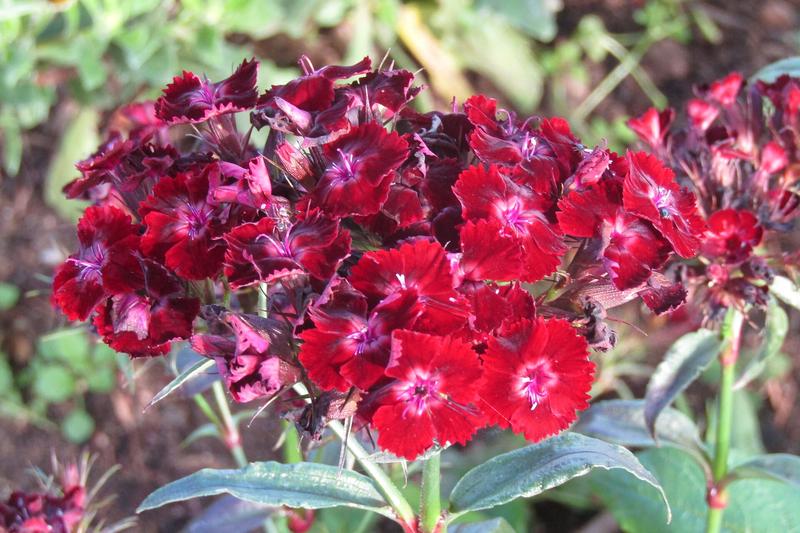
Quick facts
- Watering
- Weekly during dry spells
- Sunlight
- Full sun to partial shade
- Soil
- Well-drained, neutral to alkaline
- Humans
- Safe
- Cats
- Toxic
- Dogs
- Toxic
- Height
- 30–60 cm
- Spread
- 20–30 cm
- Spacing
- 20–25 cm apart
About Sweet William
Sweet William is a charming cottage garden favourite producing dense clusters of fragrant, fringed flowers in shades of pink, red, white, and burgundy from late spring through summer. Native to southern Europe, this short-lived perennial is typically grown as a biennial in UK gardens, flowering prolifically in its second year. British gardeners prize it for its delightful clove-like scent, excellent cut flowers, and ability to attract bees and butterflies. Its compact habit and reliable performance make it ideal for borders, containers, and traditional cottage garden schemes.
UK fact: Sweet William has been cultivated in British gardens since the 16th century and is thought to be named after William the Conqueror, though some suggest it honours William Shakespeare or even St William of York.
Watering Sweet William
Water newly planted Sweet William regularly until established, typically for the first 4-6 weeks. Once established, plants are moderately drought-tolerant but benefit from weekly watering during prolonged dry spells, particularly during the flowering period from May to July. Water at the base of plants in the morning to reduce the risk of fungal diseases. In typical British summers with regular rainfall, supplementary watering is often unnecessary except during extended dry periods.
Sunlight requirements
Position in full sun for the most abundant flowering and strongest stems, ideal for south or west-facing borders. In hotter microclimates or southern England, afternoon shade can help prolong flowering. North-facing positions may result in leggier growth and reduced flower production, though plants will still perform adequately in bright, indirect light.
Soil and feeding
Sweet William prefers well-drained soil with a pH of 6.5-7.5, performing particularly well on chalky or limestone soils common in parts of southern England. Improve heavy clay soils by incorporating grit and organic matter to enhance drainage, as waterlogged conditions can lead to root rot. Avoid overly rich soils which promote lush foliage at the expense of flowers. Sandy soils benefit from the addition of compost to improve moisture retention during the growing season.
Sweet William requires minimal feeding in reasonably fertile soil. Apply a general-purpose liquid fertiliser every two weeks from when flower buds first appear until flowering finishes to support continuous blooming. Avoid high-nitrogen feeds which promote leafy growth rather than flowers.
Pruning Sweet William
Deadhead spent flower clusters regularly throughout the blooming period to encourage further flower production and maintain a tidy appearance. This also prevents excessive self-seeding, though allowing a few flowers to set seed can provide seedlings for the following year. After flowering finishes in mid to late summer, cut plants back to basal foliage if you wish to encourage a second, smaller flush of flowers. Most gardeners treat Sweet William as a biennial and remove plants after flowering, replacing them with fresh stock.
Propagating Sweet William
Sweet William is most commonly propagated from seed sown in late May to July for flowering the following year, following the traditional biennial cycle. Sow seeds in a prepared seedbed or modules, transplanting seedlings to their final positions in autumn. Plants may also self-seed readily if deadheading is relaxed. Some modern varieties are bred to flower in their first year from early sowings under cover in February to March.
Common problems
Sweet William is generally trouble-free but can be affected by aphids, particularly on young growth and flower buds—treat with insecticidal soap or encourage natural predators. Rust can appear as orange pustules on leaves in humid conditions; improve air circulation and remove affected foliage. Fusarium wilt may cause sudden wilting and yellowing, particularly in poorly drained soils; there is no cure, so remove affected plants and improve drainage. Slugs and snails may damage young seedlings in autumn and spring.
Spot a problem with your plant? Photograph the affected area using the Loam app and it will suggest the most likely cause and treatment.
Safety
- Humans
- Safe
- Cats
-
Toxic
Contains saponins which may cause mild gastrointestinal upset if ingested in quantity.
- Dogs
-
Toxic
Contains saponins which may cause mild gastrointestinal upset if ingested in quantity.
Toxicity information is for general guidance only. If a pet has been exposed to this plant and you are concerned, seek advice from a vet.
Seasonal care calendar
Monthly care guide for Sweet William in the UK, based on average conditions.
| Month | Care tasks |
|---|---|
| January | No action needed. Established plants remain dormant as small rosettes. |
| February | Sow seeds indoors in modules for first-year flowering varieties. Protect autumn-planted seedlings from severe frost with fleece if necessary. |
| March | Continue indoor sowings for annual varieties. Weed around autumn-planted seedlings as growth resumes. |
| April | Apply a light dressing of general fertiliser around established plants. Stake taller varieties if needed. |
| May | Flowering begins on biennial plants. Begin deadheading. Sow seeds outdoors in a seedbed for next year's display. |
| June | Peak flowering period. Deadhead regularly and feed fortnightly. Continue outdoor sowings until mid-month. |
| July | Continue deadheading and feeding. Final sowings for next year. Thin or prick out seedlings from May and June sowings. |
| August | Flowering continues. Pot on seedlings into individual containers. Allow some flowers to set seed if self-seeding is desired. |
| September | Plant out seedlings to final positions for next year's flowering. Remove spent biennial plants and compost. |
| October | Complete planting out of young plants. Keep newly planted seedlings watered during dry spells. |
| November | Ensure young plants are well-established before winter. Weed around plants and apply a light mulch if desired. |
| December | No action needed. Plants overwinter as small leaf rosettes. |
Frequently asked questions
- When should I plant Sweet William seedlings outside?
- Plant seedlings into their final positions in September or October, allowing them to establish before winter. They'll form small rosettes of leaves that overwinter and then grow rapidly in spring to flower from May onwards. Spacing should be 20-25cm apart.
- Why are the leaves on my Sweet William turning yellow?
- Yellowing leaves may indicate overwatering, poor drainage, or fusarium wilt. Ensure soil drains freely and avoid waterlogging. If plants suddenly wilt despite adequate moisture, fusarium wilt is likely—remove affected plants, improve drainage, and avoid planting Dianthus in that spot for several years. The Loam app can help diagnose leaf problems through photo identification and provide personalised care advice based on your growing conditions.
- What type of soil does Sweet William need?
- Sweet William thrives in well-drained, neutral to slightly alkaline soil (pH 6.5-7.5). They prefer moderately fertile ground—avoid very rich soil which encourages leafy growth at the expense of flowers. Add garden lime to acidic soils and incorporate grit or sharp sand into heavy clay to improve drainage. They tolerate chalky soils well, making them ideal for many UK gardens.
Got a question about growing Sweet William that isn't covered here? Ask the Garden Advisor in the Loam app. It knows your saved plants and local conditions.
Related plants
This page was compiled with AI assistance and reviewed by our team. .