Daylily
Hemerocallis hybrid
Perennials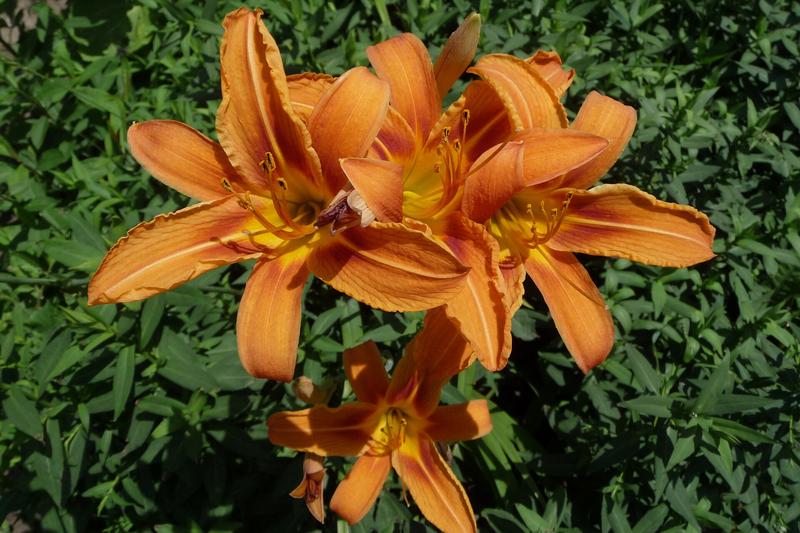
Quick facts
- Watering
- Weekly during dry spells
- Sunlight
- Full sun to partial shade
- Soil
- Moist but well-drained, fertile
- Humans
- Toxic
- Cats
- Toxic
- Dogs
- Toxic
- Height
- 30–90 cm
- Spread
- 45–60 cm
- Spacing
- 45–60 cm apart
- RHS recognition
- Award of Garden Merit
About Daylily
Daylilies are robust, clump-forming perennials prized for their trumpet-shaped flowers in shades of yellow, orange, red, pink, and purple, each bloom lasting just one day but produced in succession throughout summer. Native to Asia, these adaptable plants have become staples in British borders and cottage gardens since their introduction in the 16th century. UK gardeners value them for their drought tolerance once established, low maintenance requirements, and ability to thrive in a wide range of conditions. Their arching, strap-like foliage provides attractive structure even when not in flower.
UK fact: Many Hemerocallis hybrids hold the RHS Award of Garden Merit, with varieties like 'Stella de Oro' and 'Catherine Woodbery' proving particularly reliable in British gardens, flowering prolifically even during cool, damp summers typical of the UK climate.
Watering Daylily
Once established, daylilies are remarkably drought-tolerant and typically require watering only during prolonged dry periods in summer. Newly planted specimens need regular watering for the first growing season to establish a strong root system. During the UK's typical rainy spells, no supplementary watering is necessary. Water at the base of the plant rather than overhead to reduce the risk of fungal diseases, particularly important in humid British summers.
Sunlight requirements
Daylilies perform best in full sun, producing the most abundant flowers when receiving at least six hours of direct sunlight daily. In the UK, they tolerate partial shade, particularly in southern regions, though flowering may be reduced. South or west-facing borders are ideal, whilst north-facing positions should be avoided for best results.
Soil and feeding
Daylilies are unfussy and adapt to most soil types, from clay to sandy loam, provided drainage is adequate. They prefer a slightly acidic to neutral pH of 6.0-7.0, typical of many British gardens. Improve heavy clay soils with organic matter such as well-rotted compost or manure to enhance drainage and fertility. In very light, sandy soils, incorporate organic matter to improve moisture retention during dry periods.
Apply a balanced general-purpose fertiliser in early spring as new growth emerges, and a second application in midsummer after the first flush of flowers to encourage continued blooming. Alternatively, mulch annually with well-rotted compost or manure, which provides slow-release nutrients whilst improving soil structure.
Pruning Daylily
Deadhead individual spent flowers daily to maintain a tidy appearance, though this doesn't prolong the flowering season. After flowering finishes in late summer or early autumn, cut back the entire flower stem to the base. Leave the foliage intact until it dies back naturally in autumn, then remove dead leaves to prevent slug and snail harbourage over winter. Divide congested clumps every three to five years in spring or autumn to maintain vigour.
Propagating Daylily
Daylilies are easily propagated by division, the most reliable method for maintaining true-to-type plants. Lift established clumps in spring (March-April) or autumn (September-October) using a garden fork, then tease or cut apart the fleshy roots into sections, each with at least one fan of leaves and a portion of root. Replant divisions immediately at the same depth as before, spacing them 45-60 cm apart. Water well after planting and keep moist until established, typically within one growing season.
Common problems
Daylilies are generally trouble-free in the UK, though slugs and snails can damage emerging shoots and flower buds, particularly in damp conditions. Aphids occasionally colonise flower buds and young growth in spring and early summer. Hemerocallis gall midge, an increasingly common pest in Britain, causes distorted, thickened buds that fail to open; affected buds should be removed and destroyed. Leaf streak, a fungal disease causing brown streaks on foliage, can occur in wet seasons but rarely affects plant health significantly.
Spot a problem with your plant? Photograph the affected area using the Loam app and it will suggest the most likely cause and treatment.
Safety
- Humans
-
Toxic
All parts are potentially toxic if ingested, causing gastrointestinal upset. Handle with care and wash hands after contact.
- Cats
-
Toxic
Highly toxic to cats, causing kidney failure even in small amounts. Seek immediate veterinary attention if ingestion suspected.
- Dogs
-
Toxic
Mildly toxic to dogs, potentially causing vomiting and diarrhoea if ingested. Contact a vet if symptoms develop.
Toxicity information is for general guidance only. If a person or pet has been exposed to this plant and you are concerned, seek advice from a medical professional or vet.
Seasonal care calendar
Monthly care guide for Daylily in the UK, based on average conditions.
| Month | Care tasks |
|---|---|
| January | No action needed; plants fully dormant. |
| February | Clear away any remaining dead foliage if not done in autumn. |
| March | Apply balanced fertiliser as new shoots emerge. Divide congested clumps if needed. |
| April | Watch for aphids on emerging growth. Mulch around plants with compost. |
| May | Water during dry spells. Early varieties may begin flowering. |
| June | Deadhead spent blooms daily. Main flowering period begins. |
| July | Continue deadheading. Apply second feed to encourage further flowering. Check for gall midge. |
| August | Deadhead regularly. Water during prolonged dry periods. |
| September | Cut back finished flower stems. Divide clumps if required. |
| October | Allow foliage to die back naturally. Remove dead leaves once browned. |
| November | Clear away all dead foliage to reduce pest harbourage. |
| December | No action needed; plants dormant. |
Frequently asked questions
- Why are my daylily buds not opening?
- Buds that fail to open are often affected by Hemerocallis gall midge, an increasingly common UK pest. Infected buds appear swollen and distorted; remove and destroy them immediately to prevent the larvae spreading. Aphid infestation, excessive shade, or very dry soil can also prevent buds opening normally.
- How can I track when to divide my daylilies?
- The Loam app can send you reminders every three to five years to divide your daylilies, ensuring they remain vigorous and floriferous. It also tracks your plant's flowering performance over time, helping you identify when division is needed based on reduced bloom production.
- Do daylilies need staking in the UK?
- Most daylily varieties are self-supporting and don't require staking in typical UK conditions. However, very tall cultivars (over 75 cm) or those grown in exposed, windy sites may benefit from discreet support using linking stakes or grow-through supports installed in spring before the foliage becomes too dense.
Got a question about growing Daylily that isn't covered here? Ask the Garden Advisor in the Loam app. It knows your saved plants and local conditions.
Related plants
This page was compiled with AI assistance and reviewed by our team. .