Hairy Bittercress
Cardamine hirsuta
Weeds and Invasives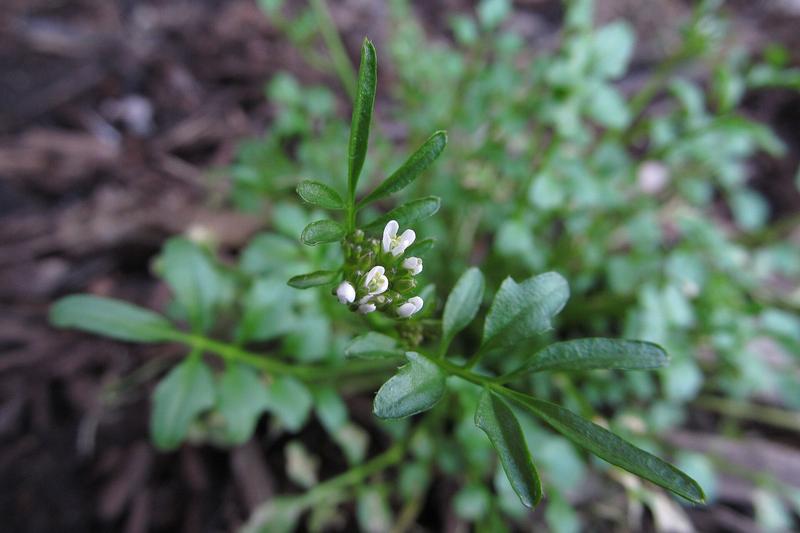
Quick facts
- Watering
- No watering required
- Sunlight
- Full sun to partial shade
- Soil
- Any soil type
- Humans
- Safe
- Cats
- Safe
- Dogs
- Safe
- Height
- 5–30 cm
- Spread
- 5–15 cm
- Spacing
- 0 cm apart
About Hairy Bittercress
Hairy bittercress is a prolific annual weed native to Europe and widespread throughout the UK, appearing in borders, pots, and paving cracks from autumn through spring. This low-growing member of the cabbage family produces rosettes of pinnate leaves and small white flowers on stems up to 30cm tall. Gardeners rarely grow it intentionally, as it is considered a persistent nuisance that can complete its life cycle in just five weeks and explosively disperses seeds up to 2 metres away. The young leaves are edible with a peppery, cress-like flavour and can be used in salads, though most UK gardeners focus on eradicating it before it sets seed.
UK fact: Hairy bittercress thrives in the mild, damp winters typical of the UK climate, germinating in autumn and growing vigorously through winter when many other weeds are dormant, making it particularly troublesome in British gardens and nurseries.
Watering Hairy Bittercress
As an unwanted weed, hairy bittercress requires no watering and thrives on natural UK rainfall alone. It is particularly well-adapted to the moist conditions of British winters and springs, germinating readily in damp soil and compost. The plant's ability to grow vigorously without supplementary watering makes it especially persistent in container plants and greenhouse environments. Reducing watering will not control this weed, as it tolerates both wet and moderately dry conditions.
Sunlight requirements
Hairy bittercress is highly adaptable and thrives in both full sun and shaded positions, making it difficult to control through light manipulation alone. It commonly colonises shaded areas under shrubs and north-facing borders where other weeds struggle. In UK gardens, it grows equally well in sunny south-facing beds and darker corners, demonstrating remarkable tolerance to varying light conditions.
Soil and feeding
Hairy bittercress is extremely unfussy about soil conditions and will grow in virtually any substrate, from heavy clay to sandy loam and even pure compost. It tolerates a wide pH range from acidic to alkaline soils, making it ubiquitous across diverse UK garden conditions. The weed particularly thrives in the nutrient-rich, well-cultivated soil of borders and the moist compost of container plants. Its ability to colonise disturbed ground, paving cracks, and even gravel makes it one of the most adaptable weeds in British gardens.
Hairy bittercress requires no feeding and actually thrives in nutrient-poor conditions, though it grows even more vigorously in fertile garden soil. Avoiding fertiliser application will not control this weed, as it has adapted to colonise both rich and impoverished substrates throughout the UK.
Pruning Hairy Bittercress
Rather than pruning, the key to managing hairy bittercress is removal before flowering, ideally when plants are small rosettes in late autumn or winter. Hand-weeding is most effective when soil is moist, ensuring the entire root system is removed to prevent regrowth. The critical control period is before the distinctive upright flower stems appear, as mature plants will explosively disperse seeds even when pulled and left on the soil surface. Always dispose of flowering or seeding plants in green waste bins rather than compost heaps, as seeds remain viable and can reinfest the garden.
Propagating Hairy Bittercress
Hairy bittercress propagates exclusively by seed, producing hundreds of seeds per plant that are ejected forcefully from explosive seed pods when ripe. Seeds germinate readily in autumn and again in spring, with some germination occurring year-round in mild UK conditions. The weed spreads rapidly through gardens via contaminated compost, plant pots from nurseries, and on gardeners' tools and footwear. Preventing seed production is the only effective way to limit propagation, as the plant has no vegetative reproduction and cannot regrow from root fragments.
Common problems
The primary problem with hairy bittercress is its rapid life cycle and prolific seed production, allowing multiple generations per year that quickly infest borders, containers, and paths. Seeds can lie dormant in soil for several years, creating a persistent seed bank that continues to germinate long after initial control efforts. The explosive seed dispersal mechanism makes containment difficult, as mature plants can spread seeds across borders and into neighbouring pots even during removal. In UK nurseries and gardens, hairy bittercress is considered one of the most troublesome weeds due to its winter growth habit, tolerance of cultivation, and ability to complete its life cycle before many gardeners notice its presence.
Spot a problem with your plant? Photograph the affected area using the Loam app and it will suggest the most likely cause and treatment.
Safety
- Humans
- Safe
- Cats
- Safe
- Dogs
- Safe
Toxicity information is for general guidance only.
Seasonal care calendar
Monthly care guide for Hairy Bittercress in the UK, based on average conditions.
| Month | Care tasks |
|---|---|
| January | Hand-weed rosettes before flowering begins, ensuring complete root removal in moist soil. |
| February | Continue removing young plants before flower stems emerge; check containers and borders weekly. |
| March | Remove flowering plants immediately before seed pods mature and disperse; hoe seedlings in dry weather. |
| April | Final removal of spring generation before seeds set; mulch borders to suppress new germination. |
| May | Monitor for late-germinating seedlings and remove promptly; check under pots and in paving cracks. |
| June | Remove any remaining plants; less active growth in warmer, drier conditions. |
| July | Minimal activity in summer heat; spot-weed any plants in irrigated or shaded areas. |
| August | Watch for early autumn germination as temperatures cool and rainfall increases. |
| September | Begin autumn control as new seedlings emerge; remove before rosettes establish. |
| October | Peak germination period; hand-weed emerging seedlings weekly to prevent establishment. |
| November | Continue removing rosettes; apply mulch to suppress further germination in borders. |
| December | Hand-weed established rosettes before winter growth accelerates; check containers and greenhouse staging. |
Frequently asked questions
- How do I get rid of hairy bittercress in my garden?
- Remove hairy bittercress by hand-weeding before it flowers, ideally when plants are small rosettes in autumn or winter. The key is preventing seed production, as each plant can disperse hundreds of seeds explosively. Weed regularly, dispose of flowering plants in green waste bins (not compost), and apply mulch to suppress germination. In containers, replace the top 2-3cm of compost to remove seeds.
- Why does hairy bittercress keep coming back in my pots?
- Hairy bittercress seeds contaminate compost and remain viable for years, germinating in waves throughout the year. The Loam app can help you track removal schedules and set reminders for weekly checks during peak germination periods in autumn and spring, helping you stay ahead of this persistent weed before it sets seed.
- Can you eat hairy bittercress?
- Yes, hairy bittercress is edible and has a peppery, cress-like flavour similar to watercress. The young leaves and stems can be added to salads or used as a garnish, providing a nutritious wild green rich in vitamin C. Harvest before flowering for the best flavour, and only collect from areas not treated with pesticides or contaminated by pets.
Got a question about growing Hairy Bittercress that isn't covered here? Ask the Garden Advisor in the Loam app. It knows your saved plants and local conditions.
Related plants
This page was compiled with AI assistance and reviewed by our team. .