Wild Garlic
Allium ursinum
Wildflowers and Natives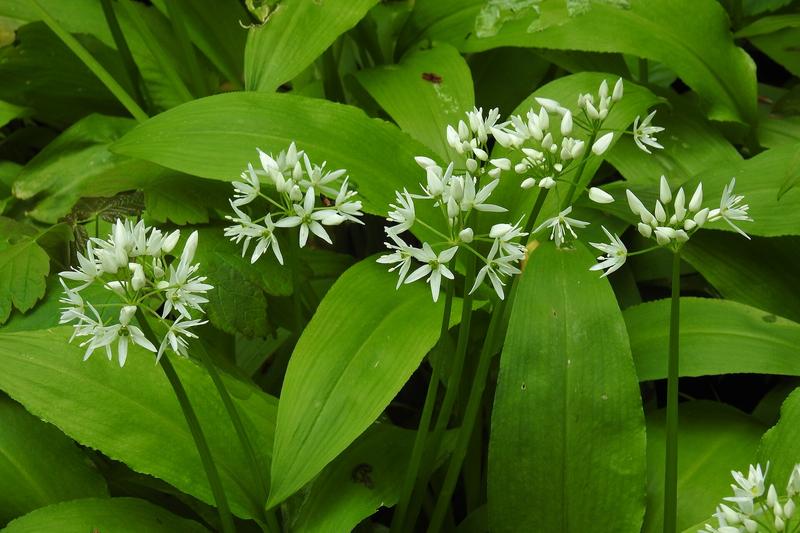
Quick facts
- Watering
- Minimal once established
- Sunlight
- Partial to full shade
- Soil
- Moist, humus-rich, slightly acidic
- Humans
- Safe
- Cats
- Toxic
- Dogs
- Toxic
- Height
- 20–45 cm
- Spread
- 15–30 cm
- Spacing
- 15–20 cm apart
About Wild Garlic
Wild garlic is a native British woodland perennial beloved for its pungent, garlic-scented leaves and delicate white star-shaped flowers that carpet shaded areas in spring. This vigorous bulbous plant thrives in damp, deciduous woodlands across the UK, where it naturalises freely to form extensive colonies. UK gardeners cultivate it both as an ornamental ground cover for shady spots and as a foraged edible, with leaves, flowers, and bulbs all offering culinary value. Its ability to thrive in challenging shaded conditions makes it invaluable for naturalising beneath trees and in wild gardens.
UK fact: Wild garlic has been harvested from British woodlands since ancient times, with archaeological evidence suggesting it was used by Neolithic communities, and it remains a cherished springtime foraged ingredient in contemporary British cuisine, particularly in the West Country and Wales.
Watering Wild Garlic
Wild garlic prefers consistently moist soil and rarely requires watering once established in suitable woodland conditions. During the active growing season from late winter to early summer, ensure the soil doesn't dry out completely, particularly if planted in drier shade beneath evergreens or conifers. In typical UK conditions with adequate rainfall, supplementary watering is usually unnecessary. The plant naturally dies back after flowering in late spring, entering summer dormancy when watering should cease entirely.
Sunlight requirements
Wild garlic naturally grows in deciduous woodland, thriving in dappled shade or full shade beneath trees and shrubs. In the UK, it performs best on north-facing borders or beneath the canopy of established trees where it receives minimal direct sunlight. Avoid planting in full sun, as this can cause leaf scorch and reduce vigour, particularly during dry spells.
Soil and feeding
Wild garlic thrives in moisture-retentive, humus-rich soil that mimics woodland floor conditions, ideally with a pH between 5.5 and 7.0. Incorporate plenty of leaf mould or well-rotted compost to improve moisture retention and provide the organic matter this plant craves. It tolerates heavy clay soils provided they don't become waterlogged, and will naturalise readily in damp, shaded areas. Avoid dry, sandy soils unless significantly amended with organic matter.
Wild garlic requires minimal feeding when grown in humus-rich soil. An annual mulch of leaf mould or well-rotted compost applied in autumn will provide sufficient nutrients and help maintain the moist, woodland-like conditions it prefers. Avoid high-nitrogen fertilisers, which can promote excessive foliage at the expense of flowers.
Pruning Wild Garlic
No pruning is required for wild garlic. Allow the foliage to die back naturally after flowering in late spring or early summer, as this enables the bulbs to store energy for the following year's growth. If you wish to prevent self-seeding and control spread, deadhead the flowers before seed capsules mature in June. Remove yellowing foliage once it has completely withered, typically by midsummer, to keep the area tidy during the plant's dormant period.
Propagating Wild Garlic
Wild garlic propagates readily from seed, division, or bulbils. Sow fresh seed in autumn directly where you want plants to grow, as seed viability decreases rapidly with storage and germination requires a cold period. Division of established clumps is best carried out immediately after flowering in late spring whilst the foliage is still visible, replanting bulbs 5-8 cm deep. Wild garlic self-seeds prolifically in favourable conditions, and seedlings can be transplanted when dormant in summer or autumn.
Common problems
Wild garlic is remarkably trouble-free, with few pests or diseases affecting it in UK gardens. The main issue is its vigorous spreading habit, which can become invasive in small gardens if not managed by deadheading before seed set. Rust (Puccinia allii) occasionally affects foliage but rarely causes significant damage. Slugs and snails may nibble young leaves in spring but generally don't cause serious harm. The plant's strong scent deters most herbivores, including deer and rabbits.
Spot a problem with your plant? Photograph the affected area using the Loam app and it will suggest the most likely cause and treatment.
Safety
- Humans
- Safe
- Cats
-
Toxic
Contains compounds that can cause gastrointestinal upset and, in large quantities, damage to red blood cells in cats.
- Dogs
-
Toxic
Contains compounds that can cause gastrointestinal upset and, in large quantities, damage to red blood cells in dogs.
Toxicity information is for general guidance only. If a pet has been exposed to this plant and you are concerned, seek advice from a vet.
Seasonal care calendar
Monthly care guide for Wild Garlic in the UK, based on average conditions.
| Month | Care tasks |
|---|---|
| January | No action needed; bulbs dormant underground. |
| February | First leaves begin to emerge; apply leaf mould mulch if not done in autumn. |
| March | Foliage develops rapidly; begin harvesting young leaves for culinary use. |
| April | White flowers appear; continue harvesting leaves before flowering peaks. Divide established clumps if required. |
| May | Peak flowering period; harvest flowers for salads. Deadhead to prevent self-seeding if spread is a concern. |
| June | Foliage begins to yellow and die back; allow to wither naturally. Collect ripe seed if propagating. |
| July | Plant enters dormancy; remove dead foliage once completely withered. Transplant bulbs if relocating. |
| August | No action needed; bulbs dormant. |
| September | Sow fresh seed or plant bulbs in new locations. |
| October | Continue planting bulbs; prepare planting sites with organic matter. |
| November | Apply autumn mulch of leaf mould around established colonies. |
| December | No action needed; bulbs dormant underground. |
Frequently asked questions
- When should I harvest wild garlic leaves in the UK?
- Harvest wild garlic leaves from March to early May, before the plant flowers, when they're at their most tender and flavourful. Pick leaves in the morning after dew has dried, taking only a few from each plant to ensure continued growth. Once flowering begins in late April or May, leaves become tougher and more bitter, though the flowers themselves are edible and make attractive garnishes.
- How can I stop wild garlic from taking over my garden?
- Prevent wild garlic spread by deadheading all flowers before they set seed in May and June, as self-seeding is the primary method of colonisation. The Loam app can send you timely reminders to deadhead before seed capsules mature, helping you stay on top of containment. You can also dig up and remove bulbs from areas where spread is unwanted, doing this in summer when the plant is dormant and easier to locate.
- Can I grow wild garlic in a container?
- Yes, wild garlic grows well in containers filled with moisture-retentive, peat-free compost enriched with leaf mould. Choose a pot at least 25 cm deep to accommodate the bulbs and place it in a shaded position. Container growing is an excellent way to enjoy wild garlic whilst controlling its spread, and plants will need more regular watering than those grown in the ground.
Got a question about growing Wild Garlic that isn't covered here? Ask the Garden Advisor in the Loam app. It knows your saved plants and local conditions.
Related plants
This page was compiled with AI assistance and reviewed by our team. .