Ground Ivy
Glechoma hederacea
Wildflowers and Natives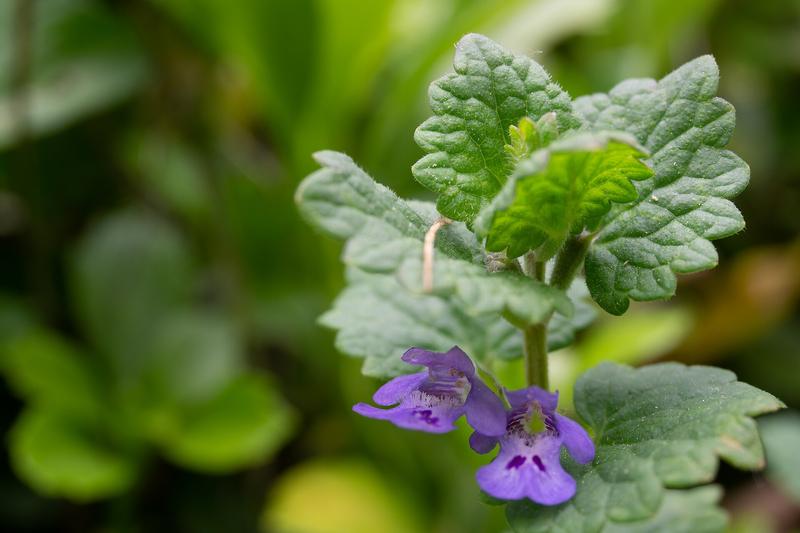
Quick facts
- Watering
- Minimal once established
- Sunlight
- Partial shade to full shade
- Soil
- Moist, well-drained, any pH
- Humans
- Safe
- Cats
- Safe
- Dogs
- Safe
- Height
- 5–15 cm
- Spread
- 50–200 cm
- Spacing
- 30–45 cm apart
About Ground Ivy
Ground Ivy is a low-growing, evergreen perennial native to the UK, forming dense mats of kidney-shaped, scalloped leaves with a distinctive aromatic scent when crushed. From March to June, it produces small violet-blue flowers that are highly attractive to early pollinators. Though often considered a lawn weed, many UK gardeners now embrace it as valuable ground cover for shady areas, wildlife gardens, and as part of rewilding schemes. Its creeping habit and tolerance of poor conditions make it ideal for naturalising in difficult spots where little else will thrive.
UK fact: Ground Ivy has been used in British folk medicine and brewing for centuries; before hops became widespread, it was added to ale as a flavouring and preservative, earning it the traditional name 'Alehoof' in many parts of England.
Watering Ground Ivy
Ground Ivy is remarkably drought-tolerant once established and typically requires no supplementary watering in most UK gardens, relying entirely on natural rainfall. During establishment in the first growing season, water weekly during dry spells to encourage root development. In containers or very dry, shaded spots under mature trees, occasional watering during prolonged summer droughts will maintain vigour. Overwatering or waterlogged conditions can lead to root rot, so ensure adequate drainage.
Sunlight requirements
Ground Ivy thrives in partial to full shade, making it ideal for north-facing borders and beneath trees where grass struggles. It will tolerate some sun in cooler, northern parts of the UK, but in southern counties it performs best with afternoon shade to prevent leaf scorch. Avoid hot, dry, south-facing positions where the foliage may become stressed and sparse.
Soil and feeding
Ground Ivy is highly adaptable and will grow in almost any soil type, from heavy clay to sandy loam, and tolerates a wide pH range from acidic to alkaline. It performs best in moderately fertile, moisture-retentive soil that doesn't dry out completely in summer. Good drainage is important to prevent winter waterlogging, though it tolerates damper conditions better than many ground covers. No soil improvement is usually necessary, making it ideal for low-maintenance planting schemes.
Ground Ivy requires no feeding in garden settings and thrives in poor to moderately fertile soils. Excessive fertility can actually encourage overly vigorous growth that becomes invasive, so avoid fertilising unless growing in containers where a single application of dilute liquid feed in spring will suffice.
Pruning Ground Ivy
Pruning is primarily about containment rather than plant health, as Ground Ivy can spread aggressively via rooting stems. Trim back spreading runners at any time during the growing season to keep it within bounds, using shears or a strimmer for larger patches. In late winter or early spring, you can mow or cut back the entire patch to rejuvenate tired growth, though this will sacrifice early spring flowers. Remove any growth encroaching onto lawns or neighbouring plants promptly to prevent unwanted colonisation.
Propagating Ground Ivy
Ground Ivy propagates readily from stem cuttings or division, making it one of the easiest UK natives to establish. Simply detach rooted sections from the parent plant in spring or autumn and replant immediately in their new position. Stem cuttings taken in spring or early summer will root within two weeks in moist compost or even a glass of water. The plant also self-layers naturally wherever stems touch the soil, so you can peg down runners to create new plants without severing them from the parent until rooted.
Common problems
Ground Ivy is largely trouble-free and suffers from few pests or diseases in UK gardens, though its vigorous spreading habit is its main drawback for many gardeners. Slugs and snails occasionally nibble young growth but rarely cause significant damage. The primary issue is containment, as it can quickly smother less vigorous plants and invade lawns if not monitored. In very wet, poorly drained soils, root rot may occur, causing patches to die back, which is best prevented by improving drainage rather than treating the plant.
Spot a problem with your plant? Photograph the affected area using the Loam app and it will suggest the most likely cause and treatment.
Safety
- Humans
- Safe
- Cats
- Safe
- Dogs
- Safe
Toxicity information is for general guidance only.
Seasonal care calendar
Monthly care guide for Ground Ivy in the UK, based on average conditions.
| Month | Care tasks |
|---|---|
| January | No action needed; foliage remains evergreen but growth is dormant. |
| February | Cut back old growth if rejuvenation is needed, before new growth emerges. |
| March | First flowers begin to appear; divide or take cuttings for propagation. |
| April | Peak flowering period; trim back spreading runners to contain growth. |
| May | Continue flowering; monitor spread and remove unwanted runners. |
| June | Flowering tapers off; trim back after flowering to tidy and control spread. |
| July | Monitor for dry conditions in containers; trim spreading growth as needed. |
| August | Continue containment pruning; water containers if very dry. |
| September | Good time to divide established clumps or transplant rooted sections. |
| October | Final opportunity for division before winter; trim back excessive growth. |
| November | Growth slows; minimal maintenance required. |
| December | No action needed; evergreen foliage persists through winter. |
Frequently asked questions
- Is Ground Ivy invasive in UK gardens?
- Ground Ivy can be invasive in garden settings due to its vigorous spreading habit via rooting stems, but it's a native UK plant rather than a non-native invasive species. It's excellent for naturalising in wild areas or as ground cover where its spread is welcome, but requires regular trimming to prevent it smothering other plants in borders or invading lawns. Consider your garden's style before planting.
- How do I know if my Ground Ivy needs more or less water?
- Ground Ivy is very forgiving, but yellowing leaves or sparse growth may indicate stress. The Loam app can help you track watering based on your local weather conditions and send reminders during dry spells, taking the guesswork out of when to water, especially during establishment.
- Can Ground Ivy be grown in containers?
- Yes, Ground Ivy works well in containers, particularly hanging baskets where its trailing stems create an attractive cascade. Use a peat-free, multi-purpose compost and ensure the container has drainage holes. Container-grown plants will need occasional watering during dry periods and benefit from a light feed in spring, unlike their garden-grown counterparts.
Got a question about growing Ground Ivy that isn't covered here? Ask the Garden Advisor in the Loam app. It knows your saved plants and local conditions.
Related plants
This page was compiled with AI assistance and reviewed by our team. .