Greater Knapweed
Centaurea scabiosa
Wildflowers and Natives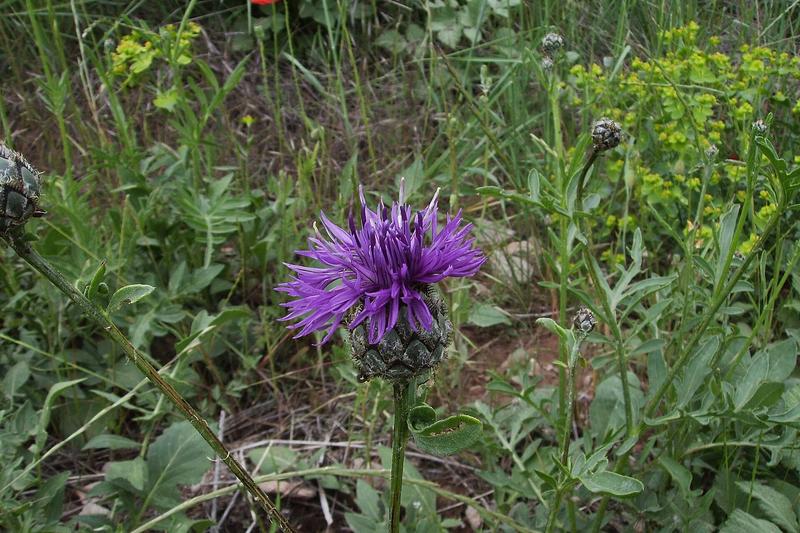
Quick facts
- Watering
- Minimal once established
- Sunlight
- Full sun
- Soil
- Well-drained, alkaline to neutral
- Humans
- Safe
- Cats
- Safe
- Dogs
- Safe
- Height
- 50–90 cm
- Spread
- 30–45 cm
- Spacing
- 30–45 cm apart
About Greater Knapweed
Greater Knapweed is a striking native British wildflower producing vibrant purple-pink thistle-like blooms from June to September atop sturdy stems reaching up to 90cm tall. This hardy perennial is found naturally on chalk grasslands and roadside verges throughout the UK, particularly in southern England. UK gardeners prize it for wildlife gardens and meadow plantings, as its nectar-rich flowers attract an exceptional range of pollinators including bees, butterflies, and the rare marsh fritillary. Its deeply lobed, greyish-green foliage provides attractive structure even when not in flower.
UK fact: Greater Knapweed is the food plant for several rare British butterfly species, including the marsh fritillary, and its flowers are particularly beloved by bumblebees, making it a cornerstone species in UK conservation meadow schemes and RHS Perfect for Pollinators recommendations.
Watering Greater Knapweed
As a native wildflower adapted to free-draining chalk grasslands, Greater Knapweed is exceptionally drought-tolerant once established and rarely requires watering in the UK climate. Water newly planted specimens during their first summer if rainfall is scarce, providing a thorough soak every 10-14 days during prolonged dry spells. Established plants need no supplementary watering and actually perform better in drier conditions, as excessive moisture can lead to soft growth and reduced flowering. Avoid overhead watering which can cause the large flower heads to become waterlogged.
Sunlight requirements
Greater Knapweed thrives in full sun and will produce the most abundant flowering in open, unshaded positions. In the UK, it performs best in south or west-facing borders and meadows where it receives at least six hours of direct sunlight daily. Whilst it can tolerate very light dappled shade, flowering will be significantly reduced and stems may become leggy in shadier spots.
Soil and feeding
Greater Knapweed naturally occurs on chalk and limestone soils and thrives in well-drained, alkaline to neutral conditions with a pH of 6.5-8.0. It performs exceptionally well in poor to moderately fertile soils and actually flowers more prolifically when not over-fed, making it ideal for thin, chalky or stony ground where many garden plants struggle. Heavy clay soils should be improved with horticultural grit or sharp sand to ensure adequate drainage, as waterlogged roots in winter can cause plant decline. Avoid rich, moisture-retentive soils which produce excessive leafy growth at the expense of flowers.
Greater Knapweed requires no feeding and actively performs better in nutrient-poor conditions typical of its natural chalk grassland habitat. Applying fertiliser will encourage lush foliage growth but significantly reduce flowering and can make plants floppy and prone to collapse. If growing in a meadow or wildlife border, avoid feeding neighbouring plants heavily as this will disadvantage the knapweed.
Pruning Greater Knapweed
Deadhead spent flowers regularly from July onwards to prolong the flowering season into early autumn and prevent excessive self-seeding, though leaving some seed heads provides valuable winter food for goldfinches and other seed-eating birds. Cut back all growth to ground level in late autumn or early spring before new growth emerges, adding the stems to the compost heap. In meadow plantings, a single cut in late September after flowering has finished allows seeds to disperse whilst preventing the plant from becoming too dominant.
Propagating Greater Knapweed
Greater Knapweed is easily grown from seed sown in autumn or spring directly where it is to flower, or in modules for planting out later. Autumn sowing (September-October) often produces stronger plants as seeds benefit from natural cold stratification over winter. Sow seeds on the surface of well-drained compost, barely covering them, and germination typically occurs within 2-3 weeks in spring. Established clumps can also be divided in early spring, though the long taproot makes this more challenging than with fibrous-rooted perennials.
Common problems
Greater Knapweed is remarkably trouble-free and suffers from few pests or diseases in UK gardens. Aphids may occasionally colonise young shoots in spring but rarely cause significant damage and provide food for beneficial insects. Powdery mildew can appear on foliage in late summer during dry spells but does not seriously affect plant health or flowering. The main issue is self-seeding, which can be prolific on light soils; deadhead promptly if you wish to prevent seedlings appearing throughout the border, though many gardeners welcome this natural spread in wildlife areas.
Spot a problem with your plant? Photograph the affected area using the Loam app and it will suggest the most likely cause and treatment.
Safety
- Humans
- Safe
- Cats
- Safe
- Dogs
- Safe
Toxicity information is for general guidance only.
Seasonal care calendar
Monthly care guide for Greater Knapweed in the UK, based on average conditions.
| Month | Care tasks |
|---|---|
| January | No action needed; plant fully dormant. |
| February | Cut back any remaining dead stems if not done in autumn. |
| March | Sow seeds in modules or directly outdoors. Divide established clumps if required. |
| April | Plant out module-grown seedlings. New basal foliage emerges. |
| May | Flowering stems begin to develop. Thin direct-sown seedlings to final spacing. |
| June | Main flowering period begins. Monitor for aphids on flower buds. |
| July | Peak flowering. Deadhead spent blooms to prolong display. |
| August | Continue deadheading. Collect seed if required for propagation. |
| September | Flowering finishes. Sow fresh seed outdoors. Leave some seed heads for birds. |
| October | Cut back spent growth or leave standing for wildlife value over winter. |
| November | No action needed if cut back earlier; seed heads provide winter interest. |
| December | No action needed; plant fully dormant. |
Frequently asked questions
- Is Greater Knapweed native to the UK?
- Yes, Greater Knapweed is a native British wildflower found naturally on chalk grasslands, roadside verges, and meadows throughout the UK, particularly in southern England and on calcareous soils. It's an excellent choice for wildlife gardens and meadow plantings, supporting numerous native pollinators including rare butterfly species.
- Why isn't my Greater Knapweed flowering well?
- Poor flowering is usually caused by too much shade, overly rich soil, or excessive feeding which promotes leafy growth instead of blooms. The Loam app can help diagnose your specific growing conditions and provide personalised advice on improving flowering based on your garden's soil type and light levels.
- How do I stop Greater Knapweed self-seeding everywhere?
- Deadhead spent flowers promptly before seed heads fully ripen and turn brown, typically from late July onwards. Cut flower stems back to just above the basal foliage. If you want to allow some self-seeding for a natural meadow effect whilst controlling spread, leave just a few seed heads to mature and remove the rest.
Got a question about growing Greater Knapweed that isn't covered here? Ask the Garden Advisor in the Loam app. It knows your saved plants and local conditions.
Related plants
This page was compiled with AI assistance and reviewed by our team. .