Field Scabious
Knautia arvensis
Wildflowers and Natives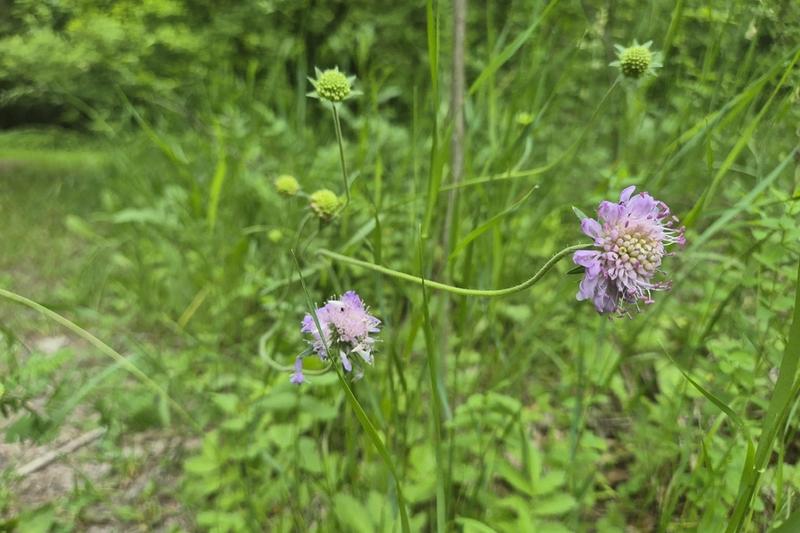
Quick facts
- Watering
- Minimal once established
- Sunlight
- Full sun to partial shade
- Soil
- Well-drained, alkaline to neutral
- Humans
- Safe
- Cats
- Safe
- Dogs
- Safe
- Height
- 30–100 cm
- Spread
- 30–45 cm
- Spacing
- 30–40 cm apart
About Field Scabious
Field Scabious is a charming native British wildflower producing lilac-blue pincushion flowers from June to September atop slender stems reaching 30–100 cm tall. This hardy perennial thrives in meadows, grasslands, and roadside verges throughout the UK, making it a natural choice for wildlife gardens and naturalistic planting schemes. UK gardeners value it for its long flowering season, exceptional pollinator appeal (particularly to bees and butterflies), and ability to self-seed gently without becoming invasive. Its delicate, cottage-garden appearance belies a tough constitution that tolerates poor soils and exposed sites.
UK fact: Field Scabious has been a fixture of British hay meadows for centuries and was traditionally used in folk medicine to treat skin conditions, giving rise to its common name derived from 'scabies'.
Watering Field Scabious
This drought-tolerant native requires watering only during establishment in the first growing season. Once established, Field Scabious thrives on natural UK rainfall and rarely needs supplementary watering, even during dry spells. Overwatering or waterlogged conditions can lead to root rot and reduced vigour. In containers, water when the top 5 cm of compost feels dry, allowing good drainage between waterings.
Sunlight requirements
Field Scabious performs best in full sun, producing the most abundant flowers in open, sunny positions. It tolerates partial shade, particularly in southern UK gardens, though flowering may be reduced. In north-facing borders or beneath light tree canopy, plants become leggier and produce fewer blooms.
Soil and feeding
Field Scabious thrives in well-drained, moderately fertile to poor soils with a pH of 6.5–8.0, showing a preference for alkaline conditions typical of chalk and limestone grasslands. It tolerates clay soils provided drainage is adequate, and actually performs better in lean soils than overly rich ones, which can promote excessive foliage at the expense of flowers. Add horticultural grit to heavy soils to improve drainage. Avoid acid soils below pH 6.0, where plants may struggle.
Field Scabious requires minimal feeding and actually performs best in nutrient-poor conditions that mimic its natural meadow habitat. Avoid fertilisers entirely in garden borders, as excessive nutrients promote lush foliage and weak, floppy stems with reduced flowering. In containers, a single application of dilute liquid feed in early spring is sufficient.
Pruning Field Scabious
Deadhead spent flowers regularly from July to September to prolong blooming and maintain a tidy appearance, though leaving some seedheads provides autumn interest and food for finches. Cut back all stems to basal foliage in late autumn or early spring before new growth emerges. Allow self-seeding in wildflower meadows by leaving seedheads intact through winter. No other pruning is required.
Propagating Field Scabious
Field Scabious is easily grown from seed sown in situ in autumn or spring, with autumn sowings generally producing stronger plants. Scatter seed onto prepared soil, barely covering it, as light aids germination. Alternatively, sow in modules under cold frames in March–April and transplant seedlings when large enough to handle. Established clumps can be divided in spring, though plants often resent root disturbance and division is rarely necessary given the ease of seed propagation.
Common problems
Field Scabious is largely trouble-free and resistant to most pests and diseases. Aphids may occasionally colonise young shoots in spring but rarely cause significant damage and attract beneficial predatory insects. Powdery mildew can appear on foliage in late summer during dry spells, particularly in shaded or overcrowded positions, though it seldom affects plant health. Slugs and snails may damage young seedlings but generally leave established plants alone. Poor flowering usually indicates overly rich soil or insufficient sunlight rather than pest or disease issues.
Spot a problem with your plant? Photograph the affected area using the Loam app and it will suggest the most likely cause and treatment.
Safety
- Humans
- Safe
- Cats
- Safe
- Dogs
- Safe
Toxicity information is for general guidance only.
Seasonal care calendar
Monthly care guide for Field Scabious in the UK, based on average conditions.
| Month | Care tasks |
|---|---|
| January | No action needed; plants fully dormant. |
| February | No action needed; plants dormant. |
| March | Sow seed in modules under cold frames or cut back old stems if not done in autumn. Divide established clumps if necessary. |
| April | Sow seed directly outdoors. Transplant module-grown seedlings. New basal growth emerges. |
| May | Thin direct-sown seedlings to 30–40 cm spacing. Flowering stems begin to develop. |
| June | First flowers appear. Monitor for aphids on young growth. |
| July | Peak flowering period. Deadhead regularly to prolong blooms and enjoy pollinator activity. |
| August | Continue deadheading. Flowering remains abundant with regular deadheading. |
| September | Flowering continues into early autumn. Allow some seedheads to develop for self-seeding. Sow seed in situ for autumn germination. |
| October | Collect ripe seed for sowing elsewhere. Leave seedheads for birds or cut back stems to basal rosettes. |
| November | Cut back remaining stems if not done earlier. Plants enter dormancy. |
| December | No action needed; plants fully dormant. |
Frequently asked questions
- How do I grow Field Scabious from seed in the UK?
- Sow Field Scabious seed directly outdoors in autumn (September–October) or spring (March–April), barely covering the seed as light aids germination. Autumn sowings typically produce stronger plants. Alternatively, sow in modules under cold frames in early spring and transplant seedlings when large enough to handle, spacing plants 30–40 cm apart in well-drained, alkaline to neutral soil in full sun.
- Why isn't my Field Scabious flowering well?
- Poor flowering in Field Scabious usually indicates overly rich soil, insufficient sunlight, or overcrowding. The Loam app can help diagnose your specific growing conditions and provide personalised advice on soil amendments, positioning, and spacing to maximise blooms in your garden.
- Is Field Scabious good for pollinators in UK gardens?
- Yes, Field Scabious is exceptional for pollinators, attracting a wide range of bees, butterflies, hoverflies, and other beneficial insects throughout its long flowering season from June to September. Its nectar-rich flowers are particularly favoured by bumblebees and small skipper butterflies, making it an excellent choice for wildlife-friendly and pollinator gardens across the UK.
Got a question about growing Field Scabious that isn't covered here? Ask the Garden Advisor in the Loam app. It knows your saved plants and local conditions.
Related plants
This page was compiled with AI assistance and reviewed by our team. .